NCCIA Busts Illegal Call Centres in Islamabad and Rawalpindi — 154 Arrested in Loan-App Blackmail Racket
By Daniyal Sheikh | 15 November 2026 Pakistan’s National Cyber Crime Investigation Agency (NCCIA) has arrested 154 people, including 53 women, after busting two illegal call centres in Islamabad and Rawalpindi that were allegedly running a transnational loan-app fraud and blackmail racket targeting citizens across South Asia. The arrests came during a three-day operation announced…

By Daniyal Sheikh | 15 November 2026
Pakistan’s National Cyber Crime Investigation Agency (NCCIA) has arrested 154 people, including 53 women, after busting two illegal call centres in Islamabad and Rawalpindi that were allegedly running a transnational loan-app fraud and blackmail racket targeting citizens across South Asia. The arrests came during a three-day operation announced by NCCIA Additional Director Muhammad Shoaib Khan at a press conference in Islamabad on Saturday, 14 November 2026.
Cases have been registered against the arrested suspects and investigations are under way. Of the 154 people arrested, 37 were allegedly involved in harassment and blackmail operations that had been running for the past two to three years. The case is a warning about how a simple loan offer on a phone can turn into a trap — and why no one should ever hand a stranger’s app the keys to their photo gallery.
| Key fact | Detail |
| Agency | National Cyber Crime Investigation Agency (NCCIA) |
| Total arrested | 154 suspects, including 53 women |
| Islamabad raid | 143 arrested, including 43 women |
| Rawalpindi raid | 11 arrested, including 10 women and one man |
| Operation | Three days, across two illegal call centres |
| Announced | Saturday, 14 November 2026, by Additional Director Muhammad Shoaib Khan |
| Alleged crime | Fraudulent loan apps, data theft, harassment and blackmail with manipulated photos and videos |
| Status | Cases registered; investigations under way |
| Report cybercrime | NCCIA helpline 1799 (24 hours) or complaint.nccia.gov.pk |

What Happened in Islamabad and Rawalpindi
The bigger of the two raids took place in Islamabad, where NCCIA teams arrested 143 people, including 43 women, from an illegal call centre. According to the agency, the centre was a four-floor operation that divided its work into four stages, with different teams handling different parts of the scam. The facility had been set up only 15 to 20 days earlier — a sign of how quickly these operations can be assembled and start trapping victims.
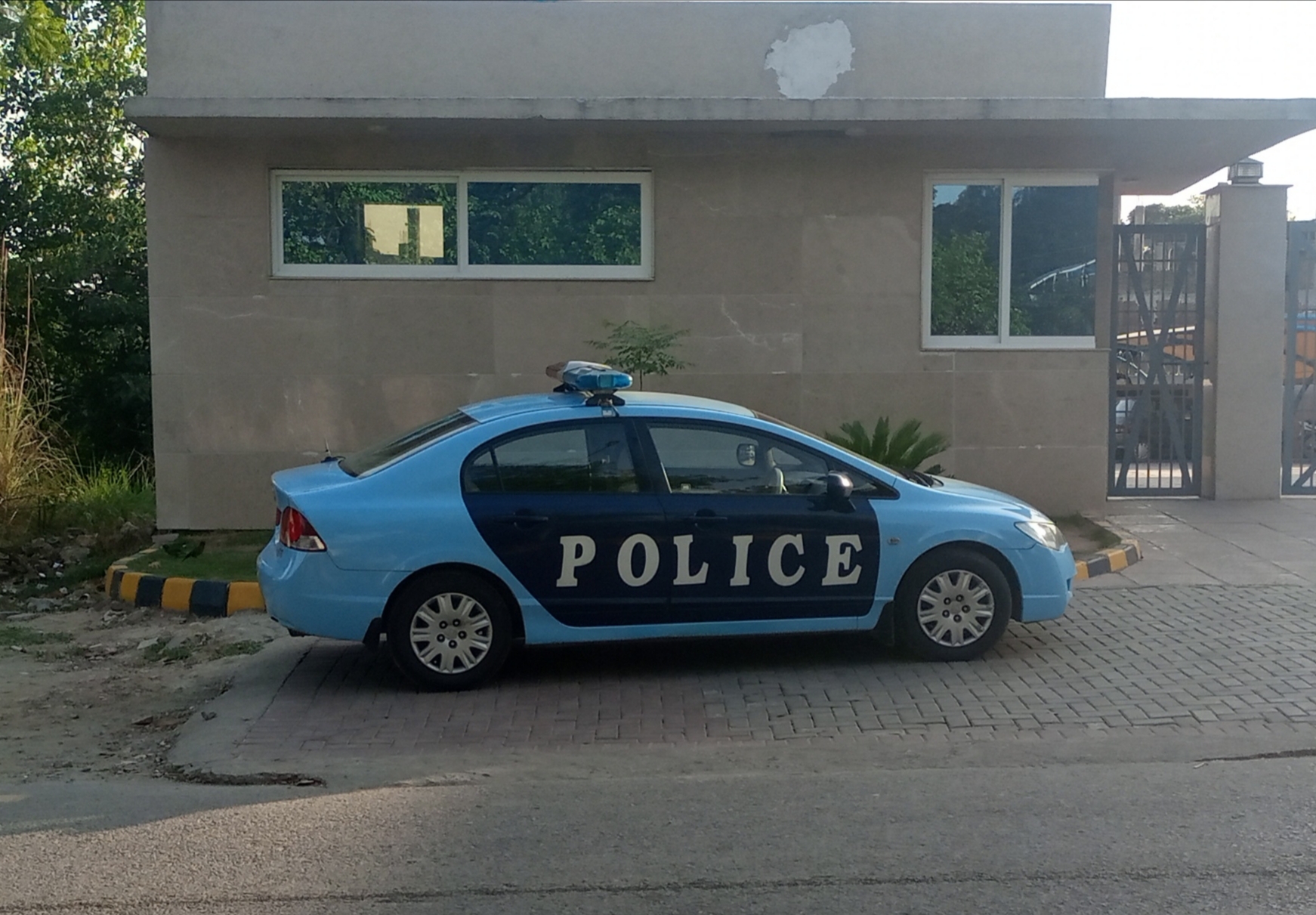
The second raid took place in Rawalpindi, where 11 people — 10 women and one man — were arrested from a call centre operating inside a house in Bahria Town. That centre had been running for about a month. It worked differently from the Islamabad centre, and its methods were, if anything, more brazen: operators had built an elaborate setup designed to look like a police station.
The wider operation behind these raids had been running for about six weeks, the Islamabad Tribune reported. Khan told reporters that the masterminds behind the racket were present at every call centre and were among those arrested, and that investigators are now tracing local facilitators and whoever handled the back-end work, including in which country the apps were developed.

How the Loan-App Blackmail Racket Worked
At the heart of the racket was a simple, cruel trick: offer a quick loan, steal the borrower’s private life, then use it to squeeze them for money. Khan explained the method step by step at the press conference, and the details were confirmed in reporting by Dawn, UrduPoint and the Islamabad Tribune.
First, the callers trapped their victims with the promise of an easy loan and persuaded them to install a mobile application on their phone. Once installed, the app gave the operators access to the person’s photo gallery, contacts and other personal data. A selfie was taken, and a loan for a minimal amount was issued — but the money was never the point. The real target, Khan said, was the victim’s credentials: mobile number, personal information, photographs, and the details of close family members named as guarantors, such as a wife, father, brother or cousin.
Once the data was collected, the case was passed to senior members of the gang. When they had extracted all the money they could from someone, they would wipe out the person’s account and close the case. The second method was more sinister still: the operators took the victim’s selfie and other pictures from the phone gallery and edited them into pornographic material, using the person’s face in what appeared to be a professional manner. They then threatened to share the fabricated images with the victim’s family and community unless money was paid.
“Even though the resulting pictures might have been fabricated, the threats were still effective,” Khan said, according to Dawn. “The victim would be under tremendous pressure, fearing that the images would reach their community or family. Under that pressure, the person would start paying money.”
The victims were citizens of South Asian countries, targeted through organised transnational fraud. The NCCIA said the network had been running for the past two to three years, and 37 of those arrested were specifically involved in the harassment and blackmail side of the operation.

| Raid | Arrested | Women | What investigators found |
| Islamabad | 143 | 43 | Four-floor call centre working in four stages; set up 15–20 days earlier |
| Rawalpindi | 11 | 10 | Call centre inside a house in Bahria Town, with a fake police setup; running about a month |
| Total | 154 | 53 | Two illegal call centres busted in a three-day operation |
The Fake Police Trick in Rawalpindi
The Rawalpindi centre deserves a closer look, because its method shows how far these gangs will go to frighten a victim into paying. Operators there had created an elaborate setup posing as the police. They would offer a loan, and when it was time to recover the money — or when they had trapped someone and wanted to extract cash — they would call the victim and tell them they were being surveilled or were on a hit list. Once the victim was frightened enough, they were transferred to another setup made to look like the police in Bangladesh, where someone posing as a police officer would speak to them and extort money. It was theatre, but it worked: a frightened person, convinced the police are involved, is far more likely to pay than to ask questions.
A Wider Crackdown — and a Warning on Betting Apps
Saturday’s raids were not a one-off. They are part of a much larger campaign against illegal call centres. In October, Khan reported 671 arrests across 16 call-centre raids in Islamabad alone, according to the Islamabad Tribune — a figure that covers the wider campaign, not this weekend’s operation. The NCCIA has also previously arrested more than 1,100 cybercrime suspects in a separate nationwide crackdown, as TimelyUps reported earlier.
Khan also used the press conference to warn about a second, fast-growing fraud: online betting and gaming apps. Operators initially give users small profits on purpose, he said, enticing them to put more money into the portals. They then assess the victim’s financial capacity and, once convinced the person has invested their savings, wipe out the money and cut off contact. “We are working on this issue and, God willing, will take further action soon,” Khan said. “We are making every effort to address fraud involving millions and billions in the name of online betting and gaming.”
The agency says loopholes in the system are being exploited at every step: fake companies are registered with weak verification, bank accounts are opened in their names, and those accounts are then integrated with loan apps and betting portals to move illicit funds. The NCCIA has raised the issue with senior officials and is working on recommendations for banks and regulators to tighten company registration and account verification.
This crackdown is a different matter from the recent controversy over raids on legitimate IT companies, in which the Pakistan Software Houses Association (P@SHA) raised concerns about warrants and standard operating procedures — a story TimelyUps covered separately. Saturday’s operations targeted centres the NCCIA says were running fraud and blackmail rackets, not registered IT firms.
A Warning to Young Job Seekers
The press conference was primarily called to warn educated young people against joining illegal call centres in pursuit of lucrative salaries, Dawn reported. Khan acknowledged that young people and university students were taking these jobs because the pay is higher than average — but he warned that they risked becoming part of the entire trap.
“If your son or daughter is arrested in such an operation, the FIR becomes part of their record,” Khan said. “Tomorrow, when they need a character certificate or apply for a government job, that record can affect them.”
His advice was practical: anyone applying for a call-centre job should ask which organisation the business is registered with, who approved it, and what approval it received from the Securities and Exchange Commission of Pakistan. Parents, he said, should check whether their children are working at an illegal call centre carrying out scams or fraud. Khan added that the NCCIA does not treat everyone arrested as having played the same role: investigators have identified who used which computer, who trapped victims, who made the calls and who edited the material, and the FIR is prepared accordingly.
How to Spot a Loan-App Scam
Not every loan app is a scam. Khan himself noted that many loan applications operate legally, with proper permission and a lawful procedure — and that the NCCIA inspects their systems, including whether they access borrowers’ photo galleries and how they recover loans. A legitimate lender recovers money through legal channels, not threats. But the fake ones share clear warning signs:
- The app demands access to your gallery, contacts and messages before approving a loan. A real lender does not need your private photos.
- A loan is offered with almost no checks — no income proof, no verification, just install the app and take a selfie.
- You are asked to name family members as guarantors and hand over their numbers. That data later becomes leverage for blackmail.
- Recovery starts with threats, not paperwork. Legal recovery follows a process; intimidation and doctored photos are crimes.
- The “police” call you about a loan. Police do not recover private loans by phone, and no officer will ask you to pay through an app or a personal account.
- The company cannot answer basic questions — who registered it, who approved it, which bank holds its accounts. If those answers are missing, walk away.
Women have been among the most targeted victims of photo-based blackmail, and the government has previously warned about the misuse of women’s photos in cybercrime — a subject TimelyUps has covered before. The message from the authorities is consistent: never share intimate photos with a stranger, and never let an app you do not trust into your gallery.
What to Do If You Are Targeted
If a loan app or an unknown caller is blackmailing you with edited photos, the first thing to know is that paying rarely ends it. Victims who pay are often asked for more, because the blackmailer now knows the threats work. The second thing to know is that you are not alone, and the law is on your side.
Report it to the NCCIA on its 24-hour helpline 1799, which works from any mobile network in Pakistan. You can also file a complaint online at complaint.nccia.gov.pk or email [email protected]. Save everything before you report: screenshots of the chats, the threatening messages, the app’s name, the numbers that called you and any payment details. Do not delete the evidence, even if it is distressing to keep — it is what investigators need to act. Note that a call to 1799 is the fastest way to get guidance, but a formal complaint still needs verification — the NCCIA’s own guidance says complainants must visit a Cybercrime Reporting Centre in person to verify their complaint.
Saturday’s raids show the scale of the problem, and the scale of the response: two call centres, 154 arrests, and a network that had been running for years, dismantled in three days. But the NCCIA’s own warning is that more centres exist, more apps are being built, and the betting and gaming fraud is still growing. The best defence, for now, is a simple one: treat any loan offer that arrives uninvited on your phone with suspicion, keep your gallery private, and if someone threatens you, call 1799.
Frequently Asked Questions
How many people were arrested in the NCCIA call-centre raids?
A total of 154 suspects were arrested, including 53 women. In Islamabad, 143 people were arrested, including 43 women, while in Rawalpindi, 11 people were arrested, including 10 women and one man. The raids took place over three days and were announced on Saturday, 14 November 2026.
How did the loan-app blackmail scam work?
Victims were offered quick loans and persuaded to install a mobile app, which gave the operators access to their photo gallery, contacts and personal data. A small loan was issued after a selfie was taken, but the real aim was to harvest data. The operators then edited victims’ photos into obscene images and threatened to share them with family and the community unless money was paid.
What is the NCCIA helpline number for reporting cybercrime?
The NCCIA helpline is 1799, available 24 hours a day from any mobile network in Pakistan. You can also file a complaint online at complaint.nccia.gov.pk or email [email protected]. For formal verification of a complaint, you will need to visit a Cybercrime Reporting Centre in person.
How can I tell if a loan app is fake?
Warning signs include the app demanding access to your photo gallery and contacts, a loan offered with almost no verification, requests to name family members as guarantors, and recovery through threats instead of legal process. A legitimate lender has proper permission, does not need your private photos, and recovers loans through legal channels.
What should I do if someone blackmails me with edited photos?
Do not pay — paying usually leads to more demands. Save all evidence, including screenshots, messages, phone numbers and payment details. Report it immediately to the NCCIA on helpline 1799 or at complaint.nccia.gov.pk, and visit a Cybercrime Reporting Centre to verify your complaint. The photos are fabricated, and blackmail is a crime even when the images are fake.
Are all loan apps in Pakistan illegal?
No. Many loan applications operate legally with proper permission and a lawful procedure, and the NCCIA inspects their systems and recovery methods. The illegal ones are those that harvest personal data, use threats and blackmail, or operate through fake companies and unverified bank accounts. If a lender cannot show its registration and approval, treat it as a red flag.