Gold Price Falls Rs700 Per Tola in Pakistan — Second Straight Day of Decline
Gold became cheaper in Pakistan for the second day in a row on Saturday, 14 November 2026, as 24-karat gold fell by Rs700 per tola to Rs410,936, according to the All Pakistan Sarafa Gems and Jewellers Association (APGJSA). Ten grams fell by Rs600 to Rs352,311, and silver followed gold lower. The fall extends a sharp…
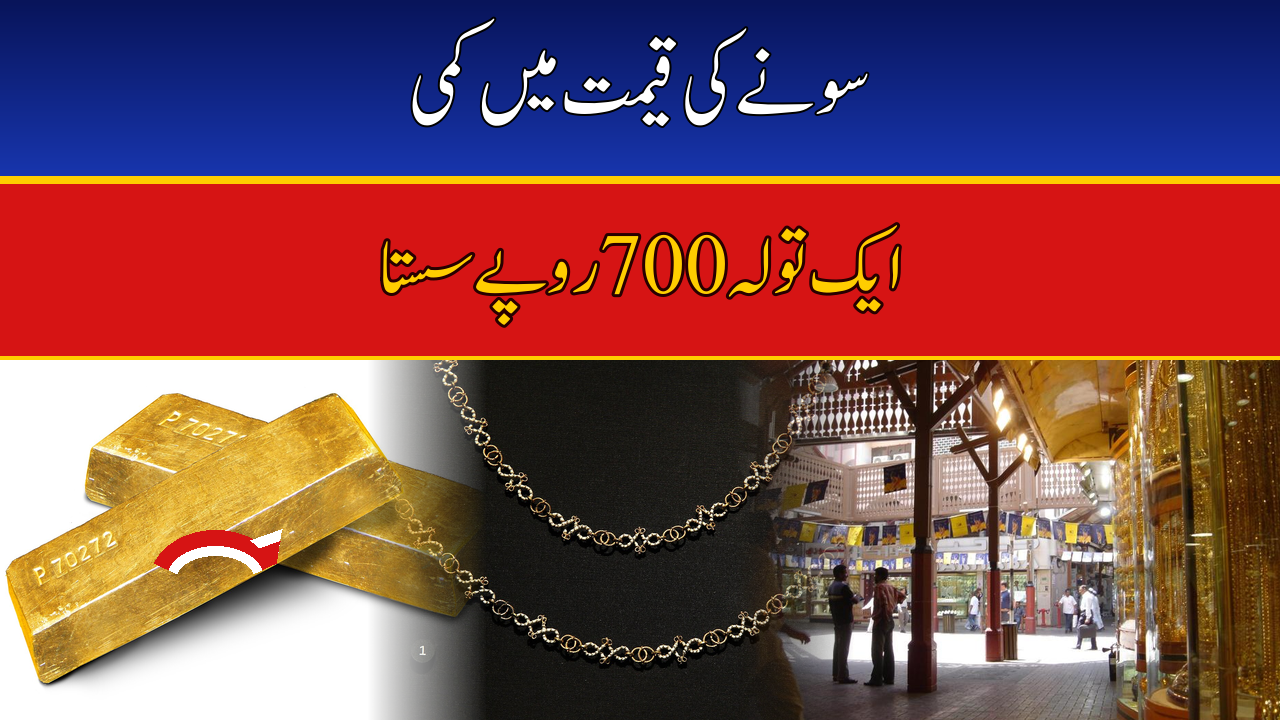
Gold became cheaper in Pakistan for the second day in a row on Saturday, 14 November 2026, as 24-karat gold fell by Rs700 per tola to Rs410,936, according to the All Pakistan Sarafa Gems and Jewellers Association (APGJSA). Ten grams fell by Rs600 to Rs352,311, and silver followed gold lower. The fall extends a sharp two-day slide of Rs5,600 per tola, capping a week in which gold has lost over Rs18,000.
By Bilal Ahmed | 15 November 2026
| Key facts — Saturday, 14 November 2026 | Rate | Change |
|---|---|---|
| 24-karat gold, per tola | Rs410,936 | Down Rs700 |
| 24-karat gold, 10 grams | Rs352,311 | Down Rs600 |
| Silver, per tola | Rs5,343 | Down Rs124 |
| Silver, 10 grams | Rs4,580 | Down Rs107 |
| International gold, per ounce | $3,884 | Down $7 |
| International silver, per ounce | $48.65 | Down $1.24 |
| Two-day fall (13–14 November) | Rs5,600 per tola | Rs4,900 + Rs700 |
What happened on Saturday
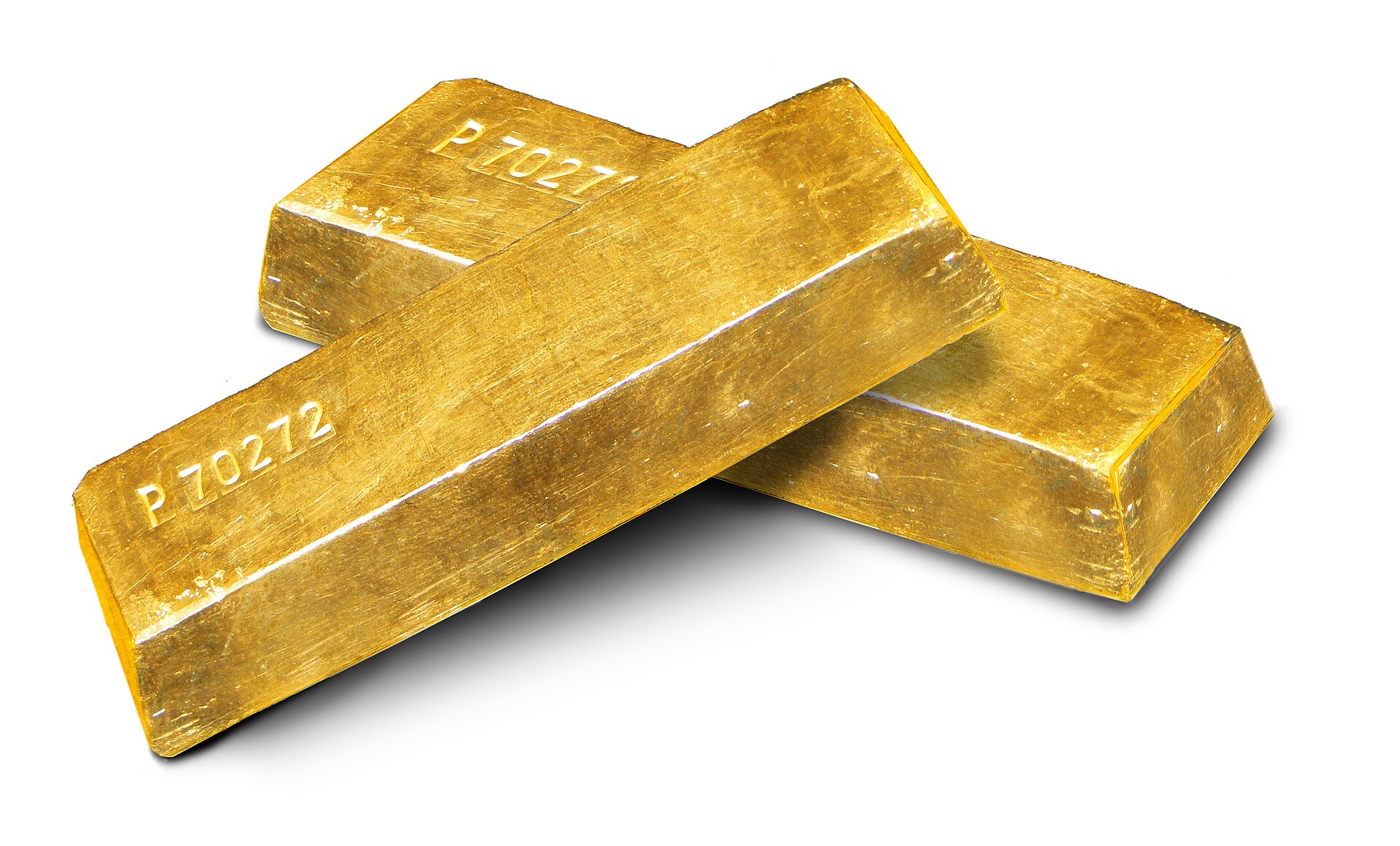
Saturday’s decline was modest next to Friday’s, but it confirmed the slide is not a one-day event. Gold fell Rs700 per tola across the country to Rs410,936, Business Recorder reported, citing APGJSA rates. Dunya News, The Nation, UrduPoint and Daily Pakistan all reported the same figure, so this is the day’s settled official price, not one outlet’s estimate.
The 10-gram rate tells the same story in smaller numbers: down Rs600 to Rs352,311. That is the figure that matters most to buyers, since most jewellery is bought by weight in grams and tolas rather than in full bars. A 10-gram purchase on Saturday cost Rs600 less than on Friday morning, and Rs4,801 less than on Thursday.
Internationally, gold slipped by $7 to $3,884 per ounce — the anchor for everything else in this story, since Pakistan’s local rate is built on the international dollar price converted at the rupee-dollar rate, so when the world price falls, the Pakistani price almost always follows. Silver moved the same way, falling by Rs124 per tola to Rs5,343, and by $1.24 to $48.65 per ounce internationally.
Rs5,600 gone in two days
The real story is not Saturday’s Rs700 but the two days together. On Friday, 13 November, gold had already fallen Rs4,900 per tola to Rs411,636, its sharpest single-day fall of the week. Saturday’s Rs700 took the two-day loss to Rs5,600. A tola bought Thursday morning had lost Rs5,600 by Saturday evening, at least on paper.
The week’s table shows the scale of the correction:
| Date (November 2026) | 24K gold per tola | Day’s change | International gold |
|---|---|---|---|
| Friday, 6 November | Rs429,136 | Down Rs6,500 | $4,066 |
| Saturday, 7 November | Rs429,136 | Unchanged | $4,066 |
| Monday, 9 November | Rs432,336 | Up Rs3,200 | — |
| Tuesday, 10 November | Rs430,836 | Down Rs1,500 | — |
| Wednesday, 11 November | Rs427,436 | Down Rs3,400 | — |
| Thursday, 12 November | Rs416,536 | Down Rs10,900 | $3,940 |
| Friday, 13 November | Rs411,636 | Down Rs4,900 | $3,891 |
| Saturday, 14 November | Rs410,936 | Down Rs700 | $3,884 |
Two things stand out. The peak of the recent run came on Monday, 9 November, at Rs432,336 per tola; from there to Saturday’s close, gold has fallen Rs21,400, just under 5 percent, in five trading days. It had stood higher still the week before, at Rs435,636, before the Rs6,500 fall on 6 November. The international price has dropped from $4,066 an ounce on 7 November to $3,884 on 14 November, a fall of $182 in a week — the local and international moves lining up almost exactly.
For context, this is a correction, not a collapse: a 5 percent pullback after a long climb is normal in bullion markets. What stands out is the speed — Rs10,900 in a single day on Thursday, then Rs4,900 on Friday, then Rs700 more on Saturday — and the fact that five of the six trading days since Monday ended lower.
Why gold is falling
The cause is the international market. The Express Tribune reported on Friday that gold had declined for a second consecutive session, under pressure from expectations of further US monetary tightening and persistent geopolitical uncertainty. When rates are expected to stay higher for longer, gold — which pays no interest — becomes less attractive.
Reuters data cited by the Tribune put spot gold at $3,885.09 per ounce on Friday, after briefly touching $3,922.97 on US producer price data — a lift that sellers quickly pushed back down. Silver, platinum and palladium were all heading for weekly losses too: a broad precious-metals move, not something specific to gold.
Adnan Agar, Director of Interactive Commodities, told the Tribune that international gold could face further downward pressure, potentially testing the $3,700 to $3,600 range in the coming sessions. That is a trader’s view, not a guarantee, but it captures the mood: buyers are in no hurry, sellers are not waiting, and each lower close makes the next day’s buyers more cautious.
Why different websites show different gold rates
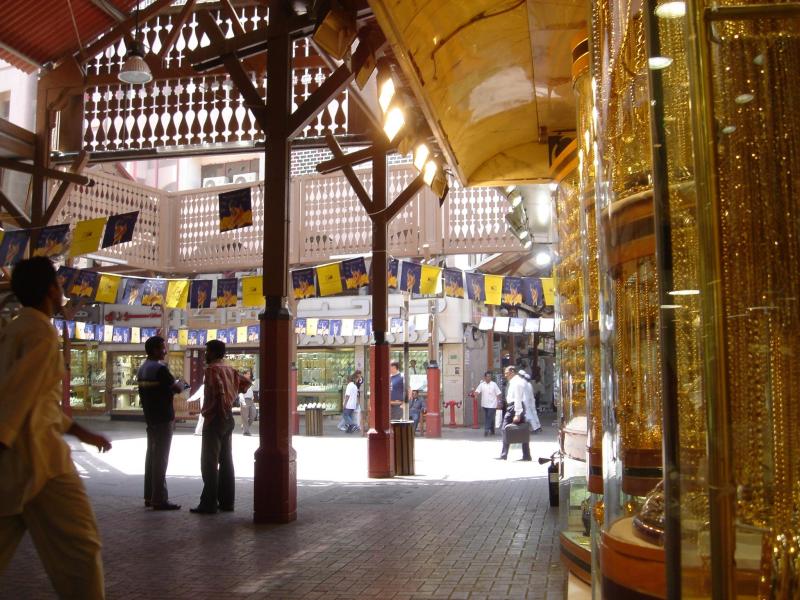
Anyone who checked the gold price online on Saturday will have noticed not every website showed Rs410,936. Live-market trackers quoted slightly different rates because they use different benchmarks: the PakGold live benchmark, based on the Rawalpindi-Islamabad sarafa market, stood at Rs409,677 per tola, while Hamariweb showed Rs413,500. That is a spread of nearly Rs4,000 between two trackers on the same day, and both differ from the APGJSA figure.
This is not a mistake. The APGJSA rate is the official association rate, reported by every major news outlet, which is why this article uses it as its headline number. The live trackers update through the day from their own market sources, so they can move before the association publishes and sit above or below its rate depending on the day’s trading, the city they track, and whether they include local premiums.
Two practical consequences follow. First, a shop’s actual quote will almost always differ slightly from any published rate, because jewellers add making charges and their own spread, and most jewellery is 22-karat or 21-karat rather than pure 24-karat metal. Second, if you want the rate as it moves through the day, check a live tracker and compare it with the association rate rather than treating either as the only true price. For the latest live rates, see our evergreen gold rate in Pakistan page and our gold prices hub.

What the fall means for buyers
For families planning a wedding, this is the first helpful gold news in weeks. A 5-tola set that would have cost Rs2,082,680 at Thursday’s rate costs Rs2,054,680 at Saturday’s rate on the metal alone, before making charges — a saving of Rs28,000. A 10-tola purchase saves Rs56,000. Those numbers change decisions, and they are why sarafa markets get busier, not quieter, when prices fall after a long rise.
Nobody should buy on one day’s rate alone. Making charges are where the real cost sits, and they vary widely: a shop quoting a low gold rate with a high making charge can easily cost more than one quoting the full rate with modest charges. Before paying, ask for the rate, weight, karat and making charge as four separate numbers, in writing. If a shop will not break them out, walk to the next one.
Karat matters more than most buyers realise. The headline rate of Rs410,936 is for 24-karat gold, pure and too soft for most jewellery; most of what Pakistani shops sell is 22-karat or 21-karat. As a rough guide from Saturday’s rate, 22-karat works out to about Rs376,700 per tola, 21-karat to about Rs359,600, and 18-karat to around Rs308,200. These are approximate conversions, not shop quotes, but they show the scale: the same necklace costs materially less in 21-karat than in 22-karat, a choice worth making deliberately.
For investors, the week is a reminder that gold does not only go up: a 5 percent fall in five trading days is uncomfortable for anyone who bought near the peak, and the trader’s view above suggests the pressure may not be over. But for most Pakistani savers gold is a store of value held for years, not a trade, and a one-week correction does not change that role. Check what you hold and what you paid before deciding anything.
Silver also cheaper, and what to watch next
Silver moved by more than gold in percentage terms: Rs5,343 per tola on Saturday, Rs124 lower than Friday’s Rs5,467, with 10 grams down Rs107 to Rs4,580. Silver is the metal most small savers actually buy — a tola costs roughly one seventy-seventh of a tola of gold — and it swings harder than gold when markets turn. Our silver rate in Pakistan page carries the latest figures.
Three things will decide where gold goes from here: whether the international price holds above $3,800 or breaks towards the $3,700 to $3,600 range Adnan Agar flagged; the dollar, since any sharp rupee move shows up in the local rate; and Monday’s APGJSA rate, which will show whether Saturday’s fall was the end of the slide or a pause before the next leg down. For the longer picture, see our report on Thursday’s much larger drop, when gold fell by Rs10,900 in a single day to Rs416,536 per tola — the day the correction turned from a drift into a rout.
Frequently asked questions
What is the gold price in Pakistan today?
On Saturday, 14 November 2026, the APGJSA rate for 24-karat gold was Rs410,936 per tola and Rs352,311 per 10 grams, down Rs700 and Rs600 from Friday. Silver was Rs5,343 per tola. Live trackers and shops may quote slightly different figures.
How much has gold fallen in two days?
By Rs5,600 per tola: Rs4,900 on Friday, 13 November, when gold closed at Rs411,636, and Rs700 on Saturday to Rs410,936. Ten grams fell by Rs4,801 over the same two days.
Why is the gold price falling in Pakistan?
Because the international price is falling: gold slipped to $3,884 per ounce on Saturday, down $182 in a week, amid expectations of further US monetary tightening — and Pakistan’s local rate is built on the international dollar price.
Why do different websites show different gold rates?
Because they use different benchmarks. The APGJSA publishes one official daily rate — Rs410,936 on Saturday — while live trackers update through the day from their own sources. On Saturday the PakGold benchmark showed Rs409,677 and Hamariweb Rs413,500. Shops add making charges too, so a shop quote will differ from any published rate.
Is it a good time to buy gold in Pakistan?
Gold is Rs5,600 per tola cheaper than on Thursday. But prices may fall further, and making charges vary widely, so compare the rate, weight, karat and making charge as four separate numbers before paying. This article is not investment advice.
What is the silver price in Pakistan today?
Rs5,343 per tola on Saturday, 14 November, down Rs124, and Rs4,580 per 10 grams, down Rs107. Internationally, silver fell $1.24 to $48.65 per ounce.