Jojo the Gorilla: A Life Alone, and the Search for a Friend
By Hira Shahid | 15 November 2026 Jojo, a critically endangered western lowland gorilla living at the Lekedi Foundation sanctuary in Gabon, has spent almost his entire life alone — and now his carers are searching for a companion for him. Taken from the wild as an infant after poachers killed his family, Jojo spent…
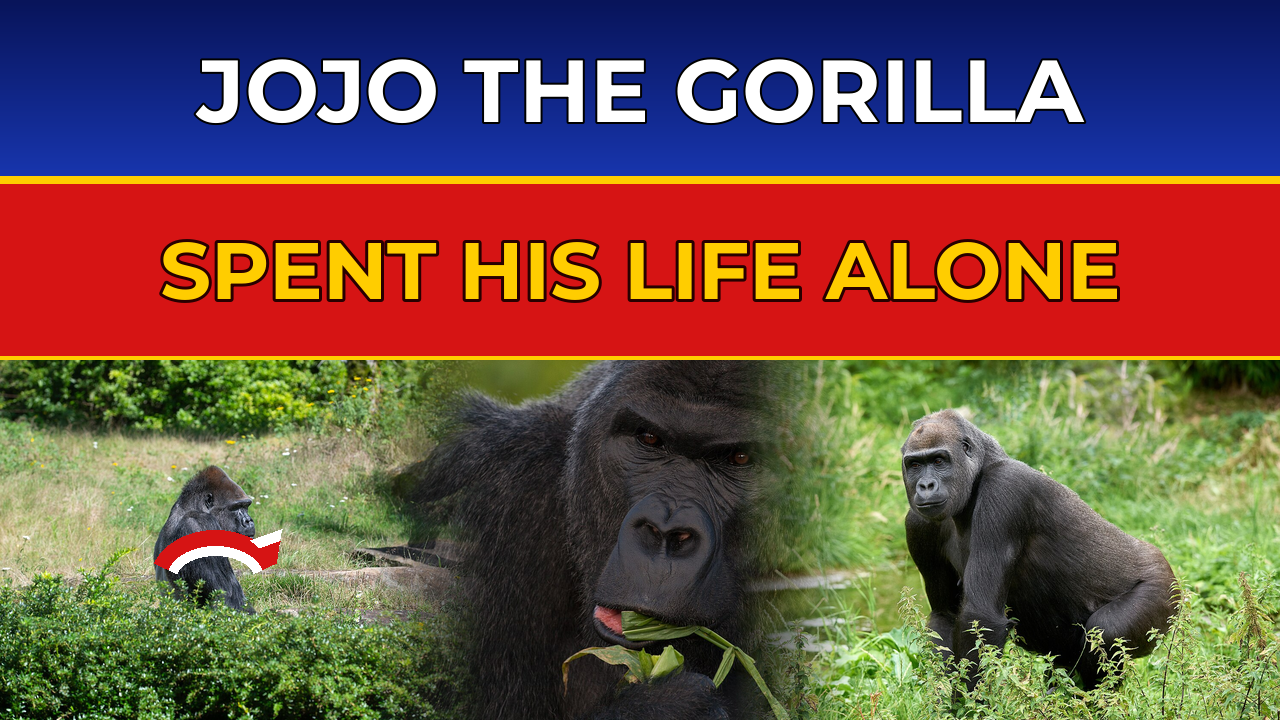
By Hira Shahid | 15 November 2026
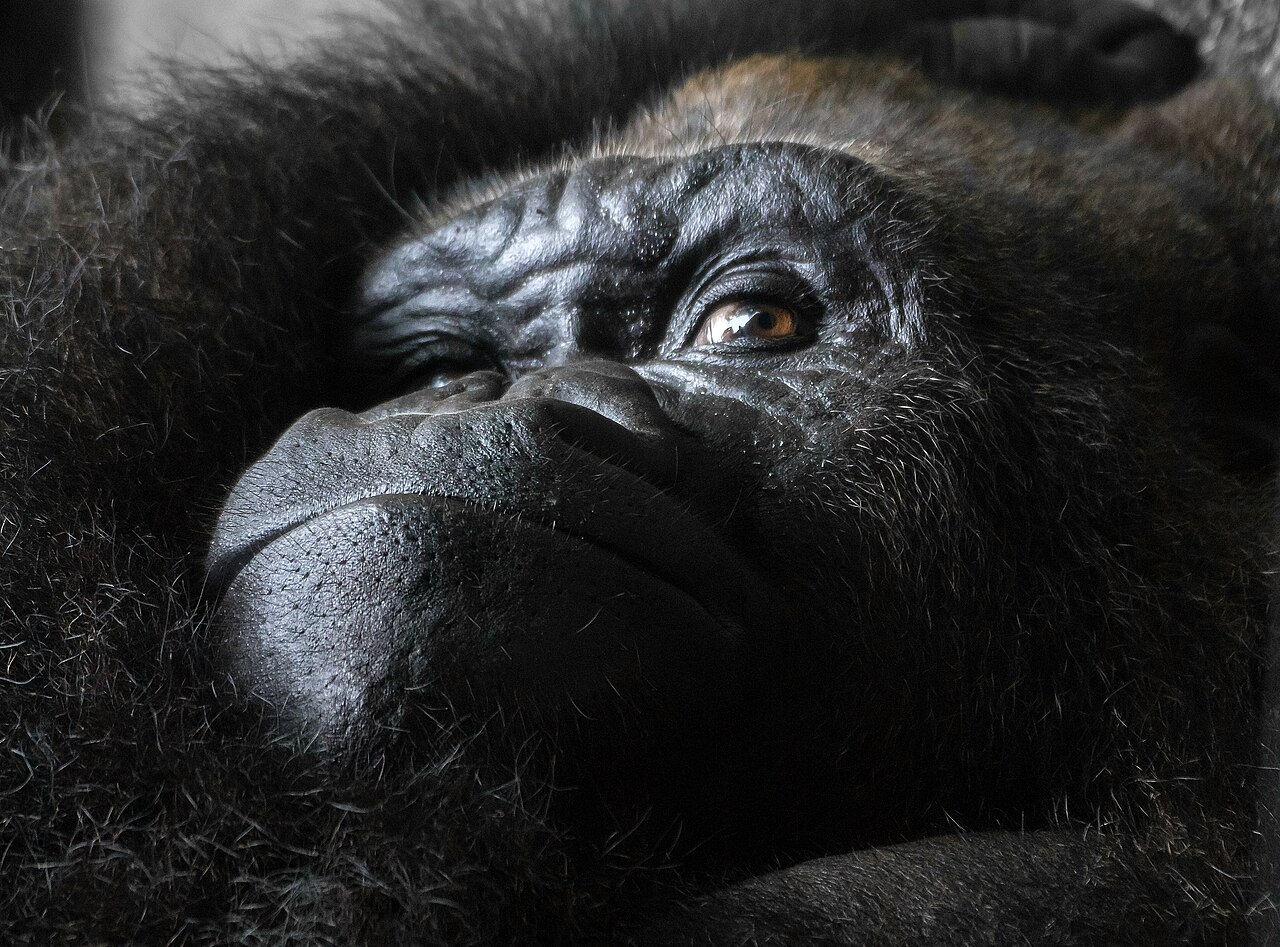
Jojo, a critically endangered western lowland gorilla living at the Lekedi Foundation sanctuary in Gabon, has spent almost his entire life alone — and now his carers are searching for a companion for him. Taken from the wild as an infant after poachers killed his family, Jojo spent his childhood in a tiny cage at a private zoo, and more than a decade after he first stepped onto grass, he still has no gorilla family and no gorilla friends. The search is under way — but it is far from simple.
Jojo’s story, reported by the BBC on 14 November 2026, has struck a chord around the world — and in Pakistan, where “gorillas” has been trending — because it is about more than one animal. It is about what a lifetime without company does to a thinking, feeling creature, and whether a friendship offered late can still heal. Scientists call his case one of the most extreme examples of isolation ever seen in a great ape. His keepers put it more simply: he is lonely, and he wants a friend.
| Key fact | What we know |
|---|---|
| Who is Jojo? | A critically endangered western lowland gorilla, probably in his 20s, living at the Lekedi Foundation sanctuary in Gabon. |
| How did he end up alone? | Taken from the wild as an infant, under a year old, after poachers killed his family. Sold to a private zoo in Gabon. |
| Where did he grow up? | Almost his entire childhood alone in a tiny cage at the private zoo, on public display, with no other gorillas. |
| When did his life change? | In 2015, aged 11, he moved to the Lekedi Foundation sanctuary and took his first steps onto grass. |
| What is the search now? | His carers want a companion for him — possibly another rescued or zoo-bred gorilla — that he could live and bond with. |
| What does the science show? | Thermal imaging shows a chronically cold nose, a sign of a disrupted stress response, says Prof Gillian Forrester of the University of Sussex. |
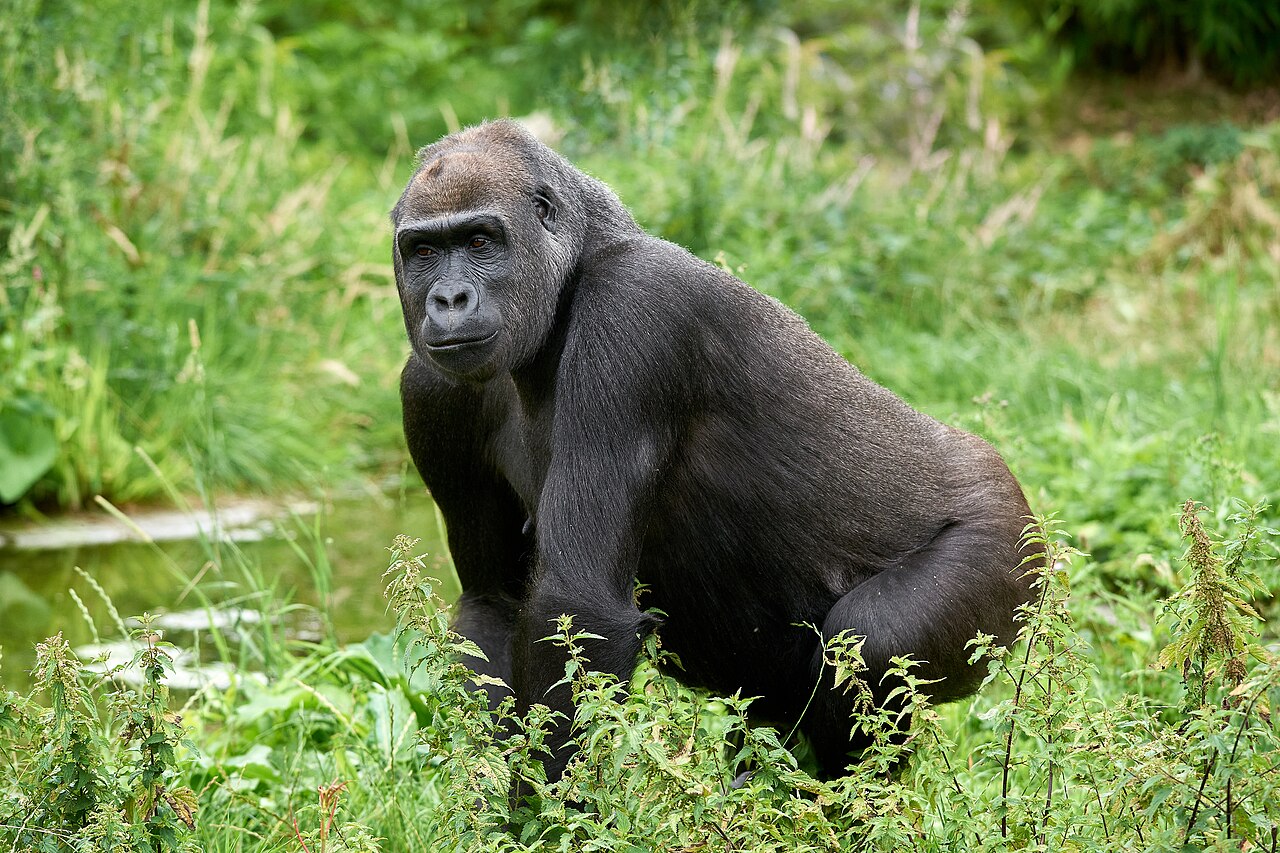
The day he first touched grass
In 2015, a young male gorilla named Jojo took his first tentative steps onto grass. Until that moment, the 11-year-old ape had spent almost his entire life in a tiny cage at a private zoo in Gabon, after being taken from the wild as an infant. Open sky, soft ground, room to move — for Jojo, grass itself was new.
More than a decade has passed since that day. Jojo is settled now at the Lekedi Foundation sanctuary, in a large forested enclosure, cared for by people who know him well. But one thing has not changed: he still lives alone. He has not had a family since he was taken, or indeed any gorilla friends. A decade of safety and good care — and still nobody to sit beside.
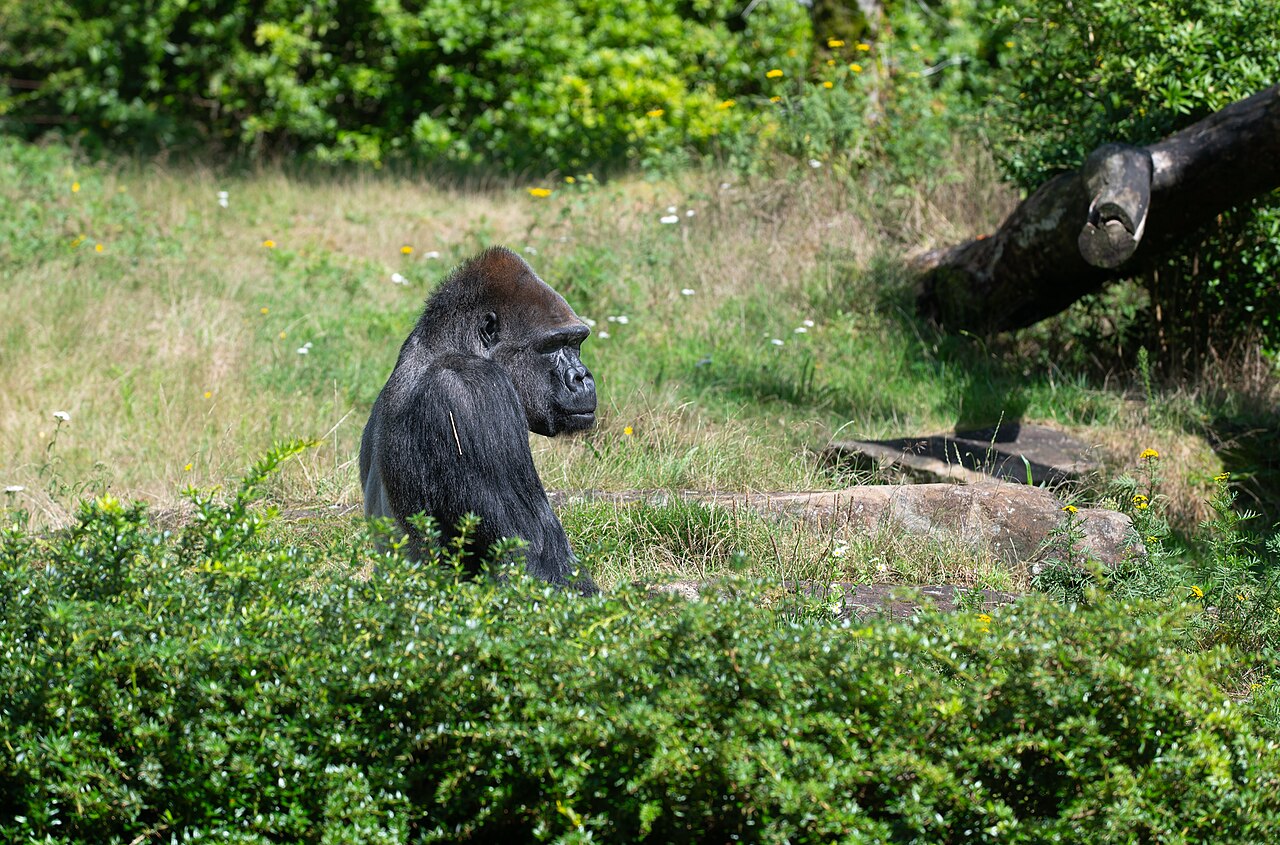
A childhood taken from him
Jojo was less than a year old — an infant clinging to his mother — when he was captured and sold. His family had been killed by the poachers who took him. A private zoo in Gabon bought him and kept him completely alone, on public display.
Most gorillas spend the first 14 to 19 years of their life in an embedded family unit — moving together, finding food together, sleeping together. Jojo got none of that. Experts believe that when baby great apes are taken from their group at a young age like Jojo, they are left traumatised. Tony King, a conservationist from the UK charity the Aspinall Foundation who specialises in rehabilitating rescued great apes, described it bluntly: “If they’re old enough to understand what happened to them, to understand their family was killed, they just lose the will to live. You see it in their eyes — the light goes out. I never knew where that expression came from, but I’ve seen it in gorillas.”
King remembers rescuing two infant sister gorillas in the Congo Basin, brought to a sanctuary in a wooden crate. “They were clinging to each other,” he says. “They stayed together in a little tight ball for about three days before they sort of unravelled. I think that’s what kept them alive.” Jojo did not even have that. He had no one to cling to.
The keeper who sees him every day
If anyone knows Jojo, it is Maxe Anaclet Makaba, the head keeper at Lekedi, who sees him nearly every day. He says it is clear that Jojo “craves human interaction”. The gorilla will even go to the trouble of gathering leaves to hold out to his keepers, so that they trade them for a treat — a small exchange, but really an excuse to interact with them.
There are other signs too. Jojo calls out when women he knows well visit his enclosure and then leave, making sounds that silverback males use to summon the females in the wild, according to Éric Willaume, who runs the sanctuary. “He definitely feels lonely,” Willaume says.
That bond between keepers and animals is something people recognise everywhere, as readers saw in the emotional story of an actor’s bond with four dogs at an animal shelter. But with Jojo, his keepers know human company is not a substitute for what he is missing. Only another gorilla can give him that. “It would be good for him to have a companion,” Makaba says. “Because being alone is like being cut off from the world — it’s like being in prison.”
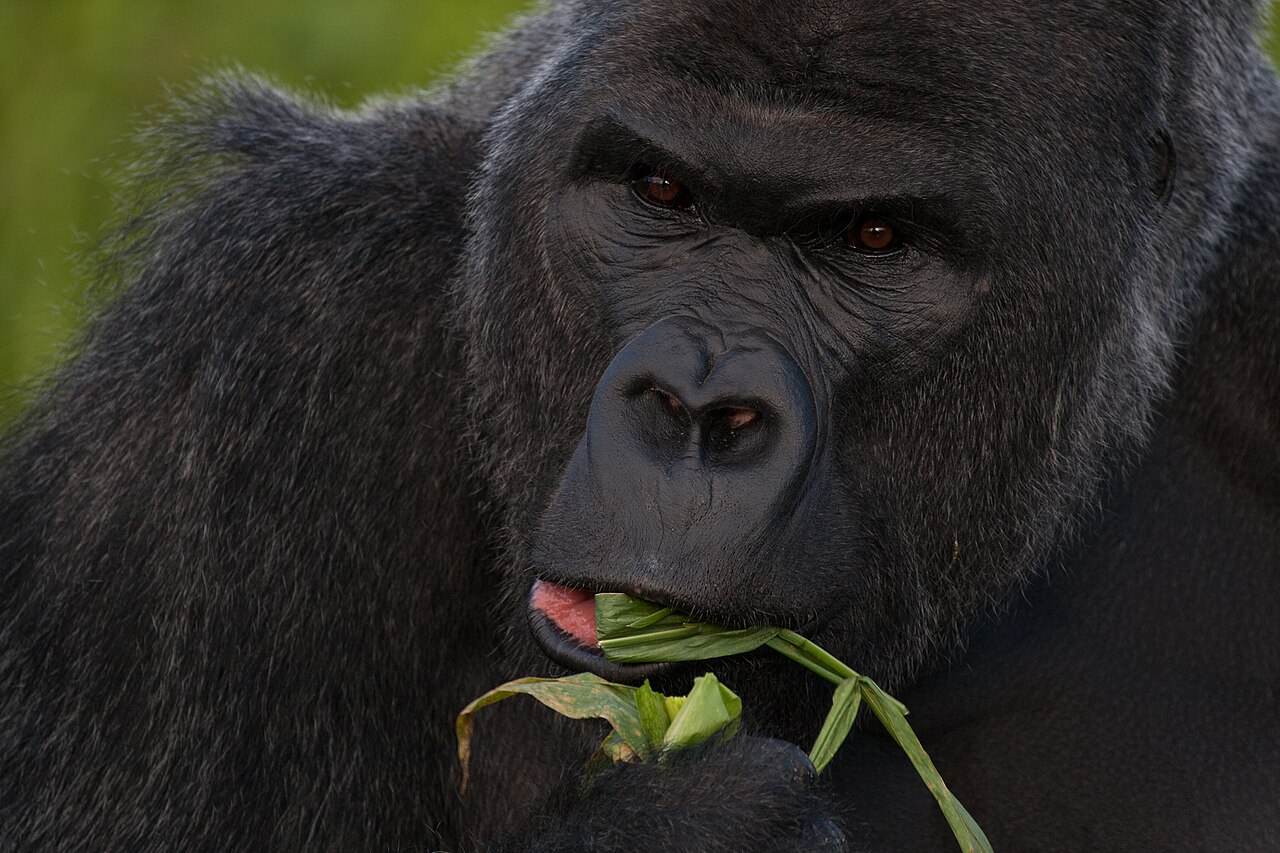
What the science shows
Prof Gillian Forrester from the University of Sussex is studying Jojo as part of research into great ape psychology and how to help rescued animals recover from trauma. Her verdict is stark: “He’s probably the most extreme case of isolation I’ve ever seen in a great ape.”
Forrester has used a thermal camera to film Jojo’s face, in a new approach to studying anxiety and trauma in apes. The camera monitors blood flow, and what it revealed was a chronically cold nose. When any primate — a human, a chimp or a gorilla — is stressed, blood flow to the eyes and ears increases, putting them on high alert for danger, but leaving their nose temporarily colder. For Jojo, this “nasal dip”, as it is known, does not seem to recover. It is a sign of a malfunctioning stress response — a body stuck on alert, year after year.
| What researchers found | What it means for Jojo |
|---|---|
| Chronically cold nose on thermal imaging | A sign of a disrupted stress response — his “nasal dip” does not recover as it would in a healthy ape. |
| Extreme isolation since infancy | Probably the most extreme case of isolation Prof Forrester has seen in a great ape. |
| Fully mature, showing harmful chronic stress | His body carries the effects of a lifetime without company, not just a bad week or month. |
| Friendship is central to gorilla society | Gorillas move, eat and sleep together; much of normal social life is simply sitting quietly and sharing space. |
Forrester believes a companion could genuinely help him heal. “Being connected to others is incredibly important to our psychology as great apes,” she says. “Having another individual to share his life with would be so healing for him. I would assume other gorillas would help him process this grief and trauma.” Dr Robin Morrison from the University of Zurich, who studies the social lives of mountain gorillas, agrees that the bonds between gorillas — what we would call friendship — are key to their society, and that much of normal gorilla social life is “just sitting together quietly sharing space”. Jojo has never been given the opportunity to sit quietly with another gorilla.
Jojo’s life, year by year
| When | What happened |
|---|---|
| As an infant (under 1 year old) | Taken from the wild in Gabon after poachers killed his family. Captured and sold. |
| Childhood (to age 11) | Kept almost entirely alone in a tiny cage at a private zoo in Gabon, on public display, with no other gorillas. |
| 2015 (aged 11) | Moved to the Lekedi Foundation sanctuary. Took his first tentative steps onto grass. |
| 2015 to 2026 | More than a decade at the sanctuary in a large forested enclosure — but still alone, with no gorilla family or friends. |
| 14 November 2026 | The BBC reports that Jojo’s carers are actively seeking a companion for him, and scientists are studying his case. |
Why finding him a friend is so hard
It would be natural to assume that finding one gorilla a friend is simply a matter of bringing another gorilla to Gabon. The reality is a tangle of rules, risks and unknowns. No one knows how Jojo will react to a companion. He has never lived with another gorilla and never had to share space, food or attention with one.
Moving an animal from an accredited zoo would be a decision for an international committee, based on genetics, health and the animals’ personalities and compatibility. Any introduction would be done very carefully — perhaps giving each animal an object that smells of the other before they ever see each other. Forrester has contacted a number of accredited zoos to explore the possibility for Jojo, but those discussions have fizzled out, with no sign of progress.
| The hurdle | Why it stands in the way |
|---|---|
| Rules built for breeding | International rules for moving captive gorillas are designed for breeding programmes. “They’re not designed for reintroductions into the wild, or to find companions for animals that might need them,” says Forrester. |
| No clear process for companion moves | “There aren’t clear processes in place to do these kinds of trans-locations,” Forrester says. Talks with accredited zoos have fizzled out. |
| Committee approval needed | Any move from an accredited zoo is decided by an international committee on genetics, health, personality and compatibility. |
| His age and maturity | Jojo is probably in his 20s and fully mature. Some experts worry it may be too late for him to bond with other gorillas. |
That last question is the hardest one in Jojo’s story, and the experts do not agree. Tony King thinks it might be too late for Jojo to bond now that he has reached maturity. “Jojo’s situation is unique, but he is probably best where he is,” King says, adding that introducing another animal could, somewhat ironically, be a source of more stress for him. There is also an important piece of context: being alone is natural, even relatively common, for mature male gorillas — about a third of adult males are solitary, according to Dr Morrison. But while those phases play a role in wild gorilla society, Jojo was forced into solitary confinement as an infant. Morrison believes Jojo is probably both traumatised and lonely.
The bigger picture: Jojo is not the only one
Jojo is one of more than 6,000 African primates estimated to have been bought or sold in the global trade of apes and other primates between 2000 and 2023, according to the Pan African Sanctuary Alliance. Thousands more are trafficked illegally for use as exotic pets, wild meat and traditional medicine. Each number is an animal with a story like Jojo’s.
That is why sanctuaries matter. The African charity the Gorilla Rehabilitation and Conservation Education (Grace) Center uses what it calls “gorilla-led” rehabilitation: when the team rescues a young gorilla from the pet trade, they put it with a group as soon as possible, so it can socialise and essentially learn to be a gorilla. Jojo’s case is unusual precisely because he missed that window. In Pakistan, readers have followed the rescue of an extremely rare eagle in Sindh whose eyes had been sewn shut, and the wonder of a 45-foot sperm whale spotted near Karachi for the first time.
What happens next for Jojo
There is no timetable yet, and no companion has been chosen. The ultimate goal for Jojo’s keepers is release into the wild — and Dr Katie Fawcett, from the Grace Center, says it is “essential” for an animal to form social relationships to be considered for release. A friend, in other words, is not a luxury for Jojo. It may be the key to everything else. Whether a companion is found, and whether Jojo accepts one, will take time and a careful introduction — scent before sight, slow steps, and keepers watching every reaction. After a life spent alone, Jojo has something he did not have as an infant in a cage: people in his corner, a sanctuary that feels like home, and a scientist who believes that company could help him heal.
Frequently asked questions
Who is Jojo the gorilla?
Jojo is a critically endangered western lowland gorilla, probably in his 20s, living at the Lekedi Foundation sanctuary in Gabon. He was taken from the wild as an infant after poachers killed his family, spent his childhood alone in a tiny cage at a private zoo, and has lived alone ever since — even after moving to the sanctuary in 2015.
Why has Jojo spent his whole life alone?
Jojo was less than a year old when he was captured and sold to a private zoo in Gabon, where he was kept completely alone on public display. Most gorillas spend their first 14 to 19 years in a family group, but Jojo never had one. After moving to the Lekedi sanctuary in 2015, he still had no gorilla family or friends.
How do scientists know Jojo is stressed?
Prof Gillian Forrester of the University of Sussex used a thermal camera to film Jojo’s face and found a chronically cold nose. When primates are stressed, blood flow to the eyes and ears increases and the nose gets colder — but for Jojo this “nasal dip” does not recover, which points to a disrupted stress response.
Why is it so hard to find Jojo a companion?
International rules for moving captive gorillas are designed for breeding programmes, not for finding companions or reintroducing animals to the wild. There are no clear processes for this kind of move, any transfer from an accredited zoo needs an international committee’s approval, and nobody knows how Jojo will react.
Could Jojo ever be released into the wild?
Release into the wild is the ultimate goal for Jojo’s keepers. Dr Katie Fawcett of the Grace Center says forming social relationships is essential for an animal to be considered for release — which is one more reason finding him a companion matters so much.
How many primates are affected by the ape trade?
Jojo is one of more than 6,000 African primates estimated to have been bought or sold in the global trade of apes and other primates between 2000 and 2023, according to the Pan African Sanctuary Alliance. Thousands more are trafficked illegally for use as exotic pets, wild meat and traditional medicine.
By Hira Shahid | 15 November 2026 | TimelyUps