PTA Finalises In-Flight Internet Licensing Framework for Pakistan — Wi-Fi on Flights Moves a Step Closer
By Fatima Raza | Updated: 18 November 2026 Pakistan has taken its first formal step towards Wi-Fi on flights. The Pakistan Telecommunication Authority (PTA) announced on 17 November 2026 that it has finalised the licensing framework for satellite-based in-flight internet, clearing the way for licensed providers to offer connectivity aboard Pakistani-registered aircraft. For passengers, real…
By Fatima Raza | Updated: 18 November 2026
Pakistan has taken its first formal step towards Wi-Fi on flights. The Pakistan Telecommunication Authority (PTA) announced on 17 November 2026 that it has finalised the licensing framework for satellite-based in-flight internet, clearing the way for licensed providers to offer connectivity aboard Pakistani-registered aircraft. For passengers, real progress — but not yet a service you can buy. No airline has been named, no launch date announced, and no passenger price exists. What exists now is the rulebook: who can apply, what it costs, and the conditions every provider must meet.
PTA In-Flight Internet: Key Facts at a Glance
| Detail | What PTA Has Decided |
| Announced | 17 November 2026 (PTA statement; Dawn, 18 November 2026) |
| Service | Satellite-based in-flight internet and telecom services (ITS) on Pakistani-registered aircraft |
| Licence fee | 10,000 US dollars |
| Validity | 10 years |
| Minimum altitude | Services only at or above 3,000 metres |
| Transit aircraft | Foreign aircraft using Pakistani airspace need a PTA No Objection Certificate (NOC) |
| Registration | Providers must register with the Pakistan Space Activities Regulatory Board (PSARB) and meet PTA licensing requirements |
| Operators registered | None yet, according to Dawn |
What PTA Has Actually Decided
Under the finalised framework, a licensed in-flight telecommunication service (ITS) provider may offer satellite internet and telecom services on board Pakistani-registered aircraft. Every provider must first register with the Pakistan Space Activities Regulatory Board and then satisfy PTA’s licensing requirements. The framework also covers foreign aircraft: any transit aircraft that wants to offer in-flight connectivity while flying through Pakistani airspace will need a No Objection Certificate from PTA. The licence fee is 10,000 US dollars, valid for ten years.
How a Provider Gets Licensed: Three Steps
Getting permission to beam internet into a cabin is a three-stage process, and a company cannot skip ahead to the PTA licence without clearing the earlier steps.
- Register the company with the Securities and Exchange Commission of Pakistan (SECP).
- Secure satellite and space approval from PSARB.
- Apply for the PTA licence, paying the 10,000-dollar fee for a ten-year licence.
That sequence matters because the second step is where the process currently stands still. According to Dawn, no satellite operator is registered with PSARB at present, so nobody is yet licensed to actually deliver the service.
What Changes for Passengers
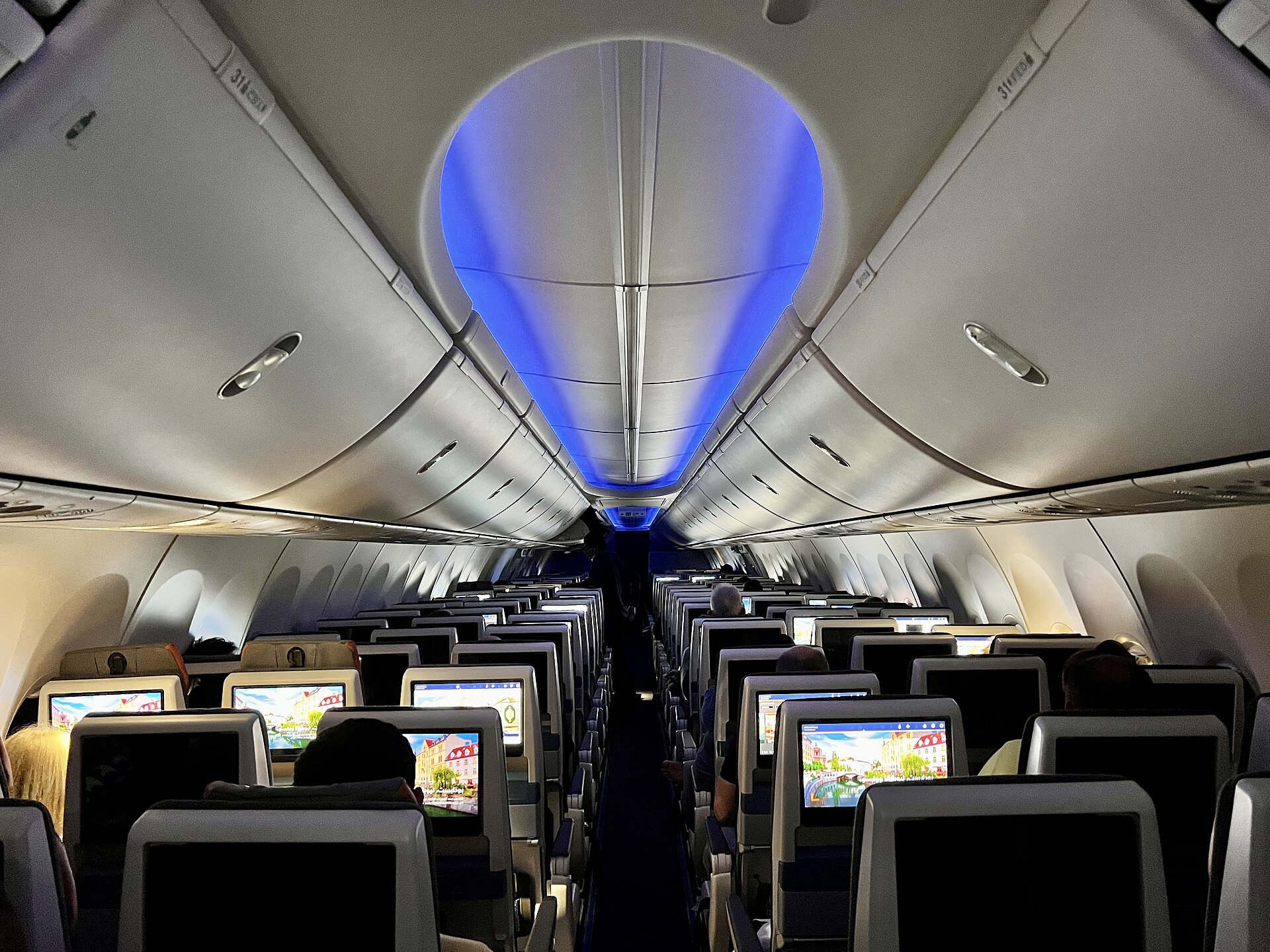
If the framework works as intended, the change is simple and significant: internet access that follows you into the sky. On a long international flight out of Karachi, Lahore or Islamabad, you could message family, answer work emails or stream content, instead of going dark from take-off to landing. For business travellers, a flight stops being dead time — and for Pakistan’s airlines, it is a competitive feature, since onboard Wi-Fi is now standard on many Gulf and European carriers. PTA’s remit covers the telecom services Pakistanis use every day, including features such as WhatsApp message scheduling.
What Does NOT Change Yet
This is where expectations need managing. The framework is a licensing rulebook, not a launch. Nothing about your next flight changes tomorrow. No airline has been named, no route announced, no launch date given, and no passenger price set. Whether Wi-Fi will be free, bundled into the ticket, or sold as a paid add-on is entirely undecided, because no provider has yet been licensed to offer it.
The most realistic timeline comes from analysts, not PTA: a TechX analyst estimate puts the earliest realistic commercial service at mid-to-late 2027 — an analyst’s estimate, not a PTA promise. Before then, an operator must register with PSARB, a provider must complete licensing, airlines must fit equipment, and the system must pass safety checks. And services will only work at or above 3,000 metres, so on short domestic hops usable Wi-Fi time could be brief.
Starlink: The Name Everyone Is Asking About
Any conversation about satellite internet in Pakistan quickly turns to Starlink. Starlink Internet Services Pakistan (Pvt) Ltd received provisional registration from PSARB in March 2025, according to TechX — a step towards operating here, but not a licence to sell in-flight Wi-Fi. Dawn reports that no satellite operator is currently registered with PSARB.
Starlink has not been named by PTA in connection with this framework, and no agreement with any airline has been announced. The framework itself is operator-neutral: any provider that completes the three steps and meets the conditions can apply.

The Rules Providers Must Follow
PTA has attached firm technical conditions. Providers must use Fixed Satellite Gateway Earth Stations inside Pakistan, buy international IP bandwidth from an LDI licensee, follow the Frequency Allocation Board’s spectrum rules, and meet Civil Aviation Authority safety standards — the condition passengers should care about most, since CAA clearance stands between a licensed service and a live one.
From Draft to Final Framework: The Timeline
| Date | Milestone |
| March 2025 | PSARB gives provisional registration to Starlink Internet Services Pakistan (Pvt) Ltd (TechX) |
| 6 May 2026 | PTA publishes the draft in-flight internet licensing framework |
| 31 May 2026 | Public consultation on the draft framework closes |
| 17 November 2026 | PTA announces the framework is finalised |
| 18 November 2026 | Dawn reports the finalised framework; no satellite operator registered with PSARB yet |
The framework took more than six months from draft to final version. It also lands in a busy month for Pakistani tech, with the OnePlus 16 reaching the market. PIA itself is in transition, with the government working to raise 1 billion dollars from privatising five to six state entities.
Frequently Asked Questions
When will Wi-Fi be available on flights in Pakistan?
No launch date has been announced. A TechX analyst estimate suggests mid-to-late 2027 at the earliest — an analyst estimate, not a PTA promise.
How much will in-flight internet cost passengers?
No passenger price has been announced. The 10,000-dollar fee is what the provider pays PTA for ten years — not what passengers will pay.
Which airlines will offer in-flight Wi-Fi first?
No airline has been named. The framework applies to Pakistani-registered aircraft generally, so any carrier could apply once a provider is licensed.
Will Wi-Fi work on all flights, including domestic ones?
Services will only be available at or above 3,000 metres. On short domestic flights, usable Wi-Fi time could be limited.
Do foreign airlines flying over Pakistan need permission?
Yes. Transit and foreign aircraft that want to offer in-flight connectivity while using Pakistani airspace will need a No Objection Certificate (NOC) from PTA.
Is Starlink coming to Pakistani flights?
Nothing has been confirmed. Starlink’s Pakistani company received provisional PSARB registration in March 2025 (TechX), but Dawn reports no satellite operator is currently registered with PSARB.
The framework is a genuine milestone: Pakistan now has written rules for internet in the sky. The wait now is for an operator to register, a provider to get licensed, and an airline to fit the equipment. Until then, in-flight Wi-Fi is coming soon — not here yet.