Pakistan Restricts Import of Camera Smart Glasses — ECC Decision, What Changes and What Doesn’t
Pakistan’s Economic Coordination Committee (ECC) has approved restrictions on importing camera-enabled smart glasses, deciding on Wednesday, November 4, 2026, to restrict entry. Finance Minister Muhammad Aurangzeb chaired it on a Commerce Division summary — but do not call it a ban yet. The government has not said whether it will be a complete ban, a…
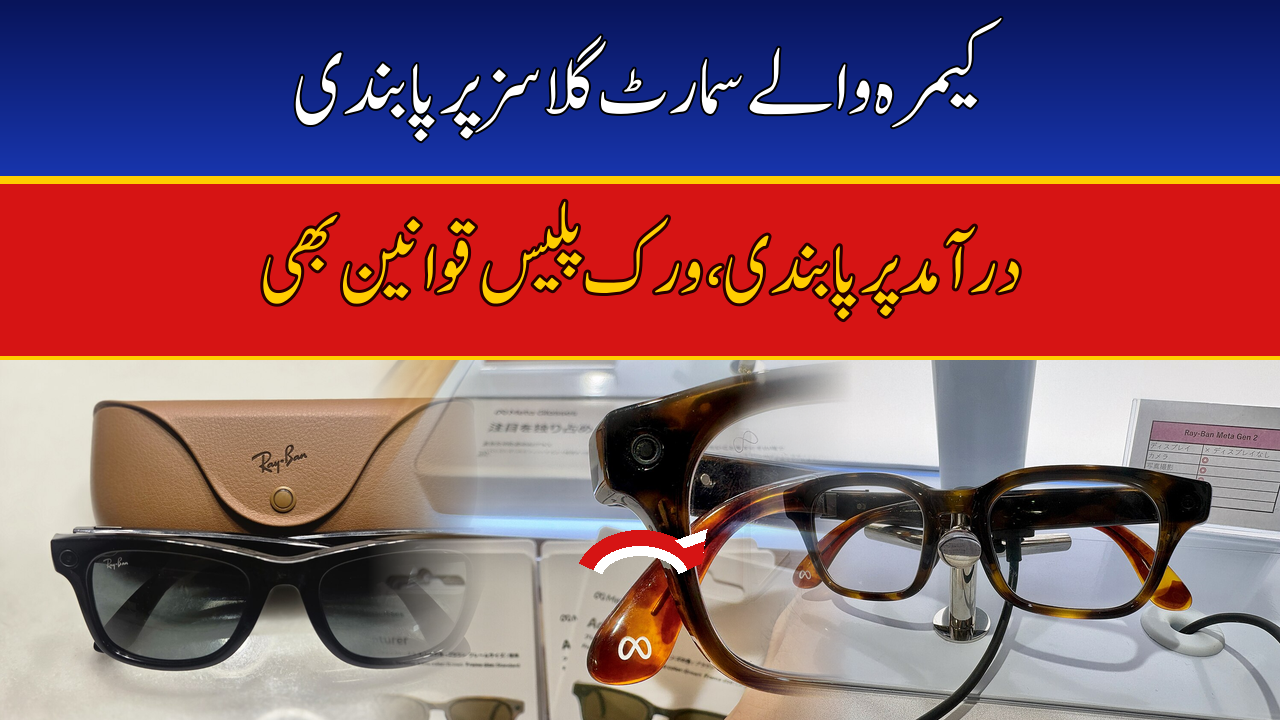
Pakistan’s Economic Coordination Committee (ECC) has approved restrictions on importing camera-enabled smart glasses, deciding on Wednesday, November 4, 2026, to restrict entry. Finance Minister Muhammad Aurangzeb chaired it on a Commerce Division summary — but do not call it a ban yet. The government has not said whether it will be a complete ban, a licence requirement or an import duty, and no formal customs notification has been issued. Nothing changes at the border today.
| Key fact | Detail |
|---|---|
| Decision | ECC approved curbs on camera smart glasses imports |
| Date | Wed, Nov 4, 2026 |
| Chaired by | Finance Minister Muhammad Aurangzeb |
| Summary by | Commerce Division; 11 items considered |
| Workplace rules | Provinces, Islamabad asked to draft workplace-use rules |
| Form of restriction | Unannounced — ban, licence or duty? |
| Enforcement | Not in force — no FBR/Customs SRO |
| Existing owners | Not affected — no confiscation |
| Punjab precedent | 30-day curb on wearing/selling camera glasses, Oct 19 |
What the ECC actually decided
The ECC met on November 4, 2026, at the Finance Division, chaired by Finance Minister Aurangzeb. The Finance Division’s press release, carried by APP via UrduPoint, says the committee considered 11 agenda items, approved the restrictions and recommended that provinces and Islamabad develop workplace regulations for such devices.
The official wording is short, and that brevity is the story: “restrictions” and nothing more — no brand, no date, no legal instrument named. TechProlonged noted the same gap in the official summary. The same meeting also approved Rs275bn for water projects and about Rs84bn in defence grants.
Why this is not a ban — yet
Some early headlines called it a ban. That goes further than the official record supports: a restriction becomes real only when the Federal Board of Revenue (FBR) and Pakistan Customs issue a statutory regulatory order (SRO) spelling out what is prohibited, licensed or taxed. TechJuice put it plainly — the decision does not yet function as a full ban, because FBR Customs must first issue a formal SRO before enforcement begins, a gap that could take weeks to close. Existing owners are not affected, and devices here will not be confiscated.
Why officials are worried
The devices — Meta’s Ray-Ban models are the best-known example — carry frame cameras, microphones, speakers and a phone connection. The wearer can take a photo or record video with a tap or a voice command, and the people being recorded may never notice — the only visible sign is a small LED that lights up during capture.
That discretion is the whole problem. A phone held up to film someone is obvious; glasses that record while their wearer simply looks at you are not. Officials cite secret recording, harassment and blackmail, with women and children most exposed. The LED does not settle the argument: TechJuice noted a peer-reviewed Tsinghua University study that found the indicator light inadequate as a bystander safeguard.
Punjab moved first
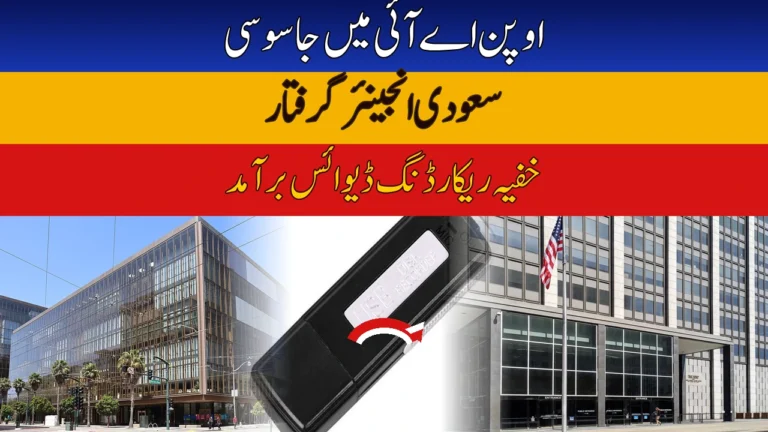
Pakistan’s first move did not come from Islamabad. On October 19, 2026, the Punjab Home Department announced a province-wide restriction on objects fitted with hidden cameras, using Section 144 to bar wearing and selling camera glasses — and hidden cameras disguised as pens, keychains and watches — for 30 days. Full report: Punjab Bans Spy Gadgets With Hidden Cameras, Smart Glasses.
The Punjab order named airports, exam halls, hospitals and courts as places of concern, exempting PTA-approved phones, laptops, tablets and police staff. Its stated worry was secret recording, especially of women and children. The difference matters: Punjab acted on use and sale inside one province for 30 days; the ECC decision targets imports — the supply line for the whole country — and, once notified, would be permanent. As the PTA’s rejection of a fake TikTok ban notification showed, rumours about tech bans spread fast.
The court case behind the decision
The federal step did not come out of nowhere. A Lahore High Court petition challenges the unchecked import and sale of camera glasses, and the court directed the federal government to take it up — which the ECC has now done. Petitioner Nadra Bibi, represented by Advocate Shahram Saqi, argued that shops at Lahore’s Hafeez Centre and online stores sell camera glasses without any PTA approval. TechProlonged adds that Meta’s pairs are on open sale in Lahore, although Meta lists no official Pakistan market — the grey-market route an import restriction would choke off. The court itself has banned nothing.
What happens next — and what you should do
The next milestone is the FBR/Customs notification. Until an SRO is issued, there is no effective date, no duty rate and no licensing procedure to report. The ECC’s press release gives no date, and neither TechJuice nor TechProlonged could find one. Workplace rules are the second track to watch: employers may soon decide where staff can wear camera glasses.
For buyers, the advice is simple. If you already own camera glasses, the ECC decision does not take them away, and Punjab’s separate 30-day order is the only rule currently restricting wearing or selling them, and only inside Punjab. If you are thinking of buying a pair, know the import window may close once the SRO is issued, and grey-market sellers offer no warranty or support. New technology arriving through official channels looks very different — see our coverage of Xiaomi’s HyperOS 4 rollout for Pakistan. We will update this article when the FBR notification is issued.
Frequently asked questions
Has Pakistan banned camera smart glasses?
Not yet. The ECC approved import restrictions on November 4, 2026, but has not said whether it is a ban, a licence requirement or a duty. No FBR/Customs notification has been issued, so enforcement has not begun.
When will the import restriction take effect?
No effective date has been announced. It can only take effect once the FBR and Pakistan Customs issue a notification (SRO) — a gap reports say could take weeks, with no official timeline.
Do I have to give up glasses I already own?
No. The ECC decision does not affect existing owners or confiscate devices already in the country. Punjab’s separate 30-day order restricts wearing and selling them inside Punjab while in force.
Which devices are covered by the decision?
Camera-enabled smart glasses — eyewear with built-in cameras that record video, capture photos and stream discreetly to a phone. Meta’s Ray-Ban glasses are the best-known example; the ECC named no brand.
What did Punjab do before the ECC decision?
On October 19, 2026, Punjab’s Home Department used Section 144 to bar wearing and selling camera glasses and hidden cameras disguised as pens, keychains and watches for 30 days, citing secret recording and blackmail.
Why are camera glasses considered a privacy risk?
Because they record people without their knowledge or consent. Unlike a phone held up to film, glasses record while the wearer simply looks at someone; the only warning is a small LED, which a Tsinghua study found inadequate, according to TechJuice.
What happens with workplace rules for these glasses?
The ECC recommended that provinces and Islamabad develop workplace regulations for these devices. Offices, schools, hospitals and courts may soon set their own rules; none has been published yet.