Islamabad to Become Pakistan’s First Fully Cashless City by 31 December 2026
By Daniyal Sheikh | Updated: 14 November 2026 Islamabad will become Pakistan’s first fully cashless city by 31 December 2026. The government set the deadline on Friday, 13 November, at a meeting on the Cashless Islamabad initiative chaired by Minister of State for Interior Talal Chaudhry. After 30 November, no cash payment will be accepted…
By Daniyal Sheikh | Updated: 14 November 2026
Islamabad will become Pakistan’s first fully cashless city by 31 December 2026. The government set the deadline on Friday, 13 November, at a meeting on the Cashless Islamabad initiative chaired by Minister of State for Interior Talal Chaudhry. After 30 November, no cash payment will be accepted at any Islamabad Capital Territory or Capital Development Authority department, and by 31 December every merchant in the capital is to be on digital payments.
Islamabad Cashless City: The Key Facts
| Fact | Detail |
|---|---|
| Deadline | 31 December 2026: Islamabad becomes Pakistan’s first fully cashless city |
| First cutoff | After 30 November 2026, no cash payment accepted at any ICT administration or CDA department |
| Decision announced | Friday, 13 November 2026, at a meeting chaired by Minister of State for Interior Talal Chaudhry |
| Merchants already connected | Around 26,000 merchants in Islamabad, according to the government |
| Merchant target | All Islamabad merchants on digital payments by 31 December, from street vendors to large stores |
| Payment rails | State Bank Raast instant payments and QR codes; Cashless Pakistan initiative, launched June 2025 |
What Was Decided on 13 November
The decision was announced on Friday, 13 November, after a meeting on the Cashless Islamabad initiative chaired by Minister of State for Interior Talal Chaudhry. CDA Chairman Sohail Ashraf, banking sector representatives and senior officials attended. The minister said the project was moving fast on the instructions of the prime minister and the interior minister.
Chaudhry said Interior Minister Mohsin Naqvi had pledged to the prime minister that Islamabad would become Pakistan’s first cashless city and the world’s first cashless capital. The world’s-first claim is an ambition, not a measured status. What is concrete is the Pakistani first: a dated, two-step plan, starting with the government’s own counters.
30 November: Cash Stops at Government Counters
“After Nov 30, no cash payment will be accepted in any department of the Islamabad Capital Territory administration and the Capital Development Authority (CDA),” Chaudhry said. That covers the counters where citizens pay fees, dues and charges. From 1 December, those payments must be made digitally, by bank transfer, debit card, mobile wallet or Raast.
This is the part of the plan the government can enforce directly, because it controls its own departments. Anyone visiting an ICT or CDA office in December should expect to pay digitally, and people who arrive with cash and no digital payment method could be turned away.
31 December: Every Merchant, From Pushcarts to Malls
The government says around 26,000 merchants in the capital have already been connected to the digital payment system. No independent merchant count has been published, so this is the official figure, not a verified total.
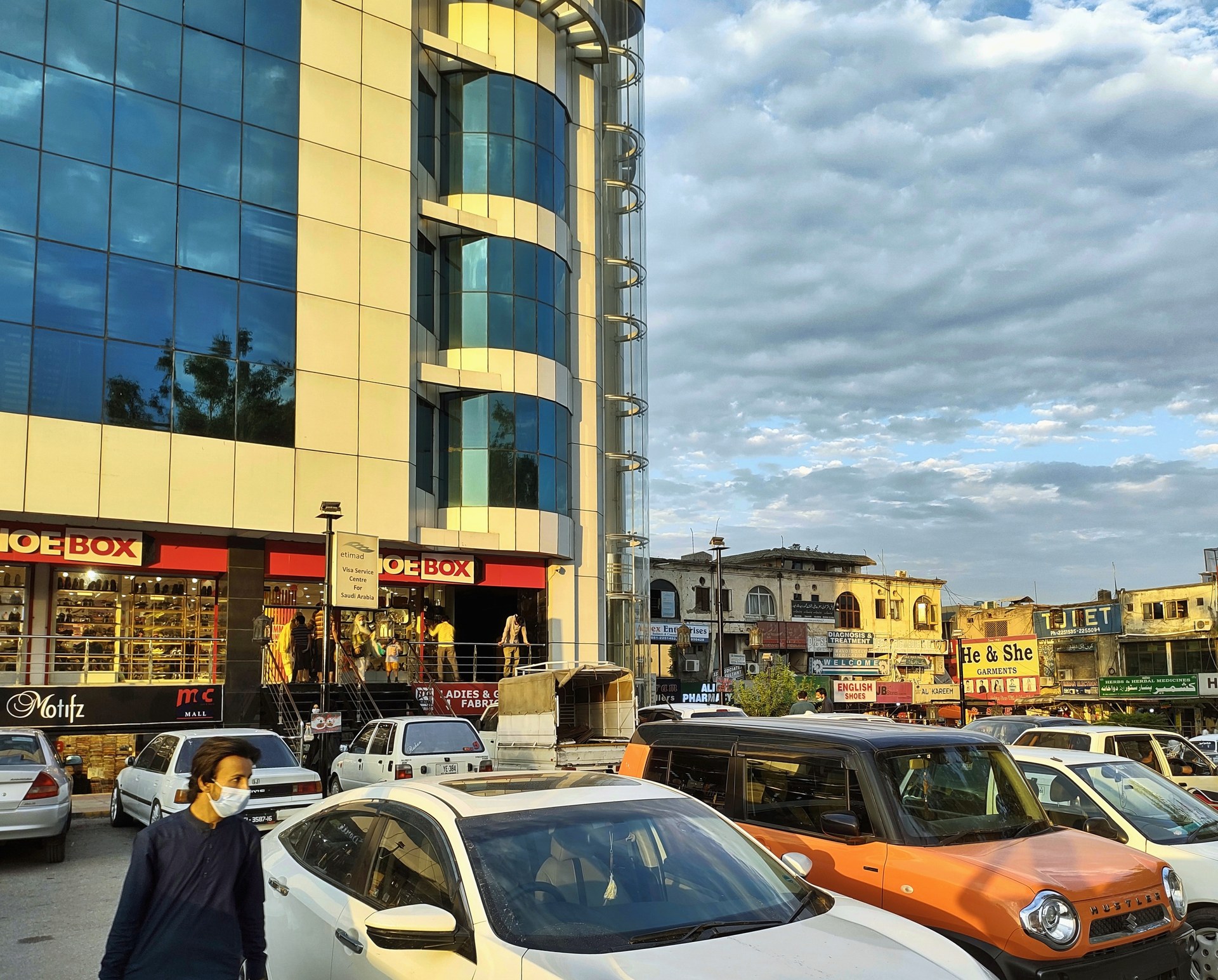
Chaudhry said digital payments would reach every level, from street vendors to malls. A mall already has card machines; a pushcart operator needs a printed QR code, a bank account or wallet, and customers willing to scan. Our earlier report on JazzCash and Raast QR merchants in the Cashless Pakistan drive showed wallets signing up small shops, and the Islamabad plan is the same drive with a deadline.
The 30 November cutoff is a rule for government offices. The 31 December date is a target for private business, and no penalty, fine or enforcement step has been announced for private merchants.
Islamabad Cashless Timeline: The Dates That Matter
| Date | What happens |
|---|---|
| June 2025 | Cashless Pakistan initiative launched nationwide to expand digital payments |
| 12 November 2026 | Finance Division asks the State Bank for a working paper on a Raast QR Merchant Discount Rate scheme |
| 13 November 2026 | Government sets 31 December deadline for Islamabad to become Pakistan’s first cashless city |
| 16 November 2026 | All Asaan Assignment Account payments nationwide move to Raast, replacing cheque-based transactions |
| 30 November 2026 | Cash payments end at all ICT administration and CDA departments |
| December 2026 | Payments in most government institutions to be fully digitised, according to the government |
| 31 December 2026 | Target date for all Islamabad merchants to be on digital payments |
Why Islamabad, and Why Now
Islamabad is the natural test city: small and federally administered. The Cashless Pakistan initiative was launched in June 2025, and Business Recorder reported active digital-payment merchants across the country had risen from half a million to 2.03 million. That growth rides on Raast, the State Bank’s instant payment system, and on QR codes, which let even a small shop take a payment with a printed code. The government says the cashless system will improve financial transparency, tax monitoring and the transaction system.
How Payments Will Work for Ordinary People
For most people, the change is about having one working digital payment method ready before December. A Raast ID, usually your mobile number linked to a bank account, lets you pay a merchant by scanning their QR code.
From 16 November, all Asaan Assignment Account payments nationwide will go through Raast, replacing cheques. If you have no Raast ID yet, set one up in your banking app: it takes a few minutes. One cost question remains: on 12 November, the Finance Division asked the State Bank for a working paper on a Raast QR Merchant Discount Rate scheme, and no rate or timetable has been published.
What It Means for Shopkeepers in Islamabad
If you run a shop, stall or pushcart in Islamabad, the steps are straightforward. Open a bank account or mobile wallet, get a Raast QR code printed from your bank or wallet provider, and display it at your counter. Digital payments cut the risk of theft and create a transaction record that can help with loans.
The risk is equally real. Cash customers may not all switch by 31 December, and a shop that refuses cash too early could lose sales. Offer both for now, keep the QR code visible, and watch the government counters after 30 November. If a bank or wallet overcharges you, there is a route to complain: our report on banking mohtasib refunds of over Rs1.2 billion to customers explains how complaints against banks are handled.
What Is Still Unclear
Here is what the announcement did not settle. No formal notification had been published, and no list of the affected ICT and CDA departments, or procedure for citizens who arrive with cash from 1 December, was published. The 31 December target carries no stated enforcement mechanism for private merchants.
The merchant number deserves the same care. The figure of around 26,000 connected merchants is the government’s own count. It has not been independently verified, and no total merchant count for the city has been published, so nobody can yet say what share of Islamabad’s shops 26,000 represents.
What Happens Next
Three things will show whether this plan is real. First, the notification: a written order listing the departments and payment methods. Second, 1 December itself, the first day after the cutoff. Third, the merchant count in January. The State Bank’s paper on merchant fees will decide whether small traders embrace QR codes. Its reserves have been improving, as our report on SBP foreign exchange reserves rising to 21.57 billion dollars noted. Islamabad has six weeks: set up a Raast ID and a wallet before 30 November.
Frequently Asked Questions
When will Islamabad become a cashless city?
Islamabad is set to become Pakistan’s first fully cashless city by 31 December 2026. The deadline was announced on 13 November 2026. Cash payments at ICT and CDA departments end earlier, after 30 November 2026.
Can I still pay cash at government offices in Islamabad after 30 November 2026?
No. After 30 November 2026, no cash payment will be accepted at any department of the Islamabad Capital Territory administration or the Capital Development Authority. You will need to pay digitally, by bank transfer, debit card, mobile wallet or Raast.
Do all shops in Islamabad have to stop accepting cash by 31 December 2026?
The government has set 31 December 2026 as the target for bringing all Islamabad merchants into the digital payment system. No enforcement mechanism or penalty for private shops has been announced, so the date is a government target rather than a published rule for each shop.
How many merchants in Islamabad already accept digital payments?
Around 26,000 merchants in Islamabad have already been connected to the digital payment system, according to the government. The figure was announced by Minister of State for Interior Talal Chaudhry on 13 November 2026 and has not been independently verified.
What is Raast and how does it fit into the cashless plan?
Raast is the State Bank of Pakistan’s instant payment system. It moves money between accounts and wallets instantly, through a Raast ID linked to a mobile number, and it powers the QR code payments merchants use. From 16 November 2026, all Asaan Assignment Account payments nationwide go through Raast instead of cheques.
What should I do before the 30 November cutoff?
Link your mobile number to your bank account as a Raast ID and keep a debit card ready. If you run a shop, get a Raast QR code from your bank or wallet provider and display it at your counter.