International Men’s Day 2026: Theme, Date and Why It Matters
International Men’s Day 2026 is being observed today, Thursday 19 November, under the global theme “The Future Is Everyone”. The day celebrates the positive contribution men and boys make to their families and communities, and draws attention to their health and wellbeing. It is marked every year on 19 November, it is not a public…
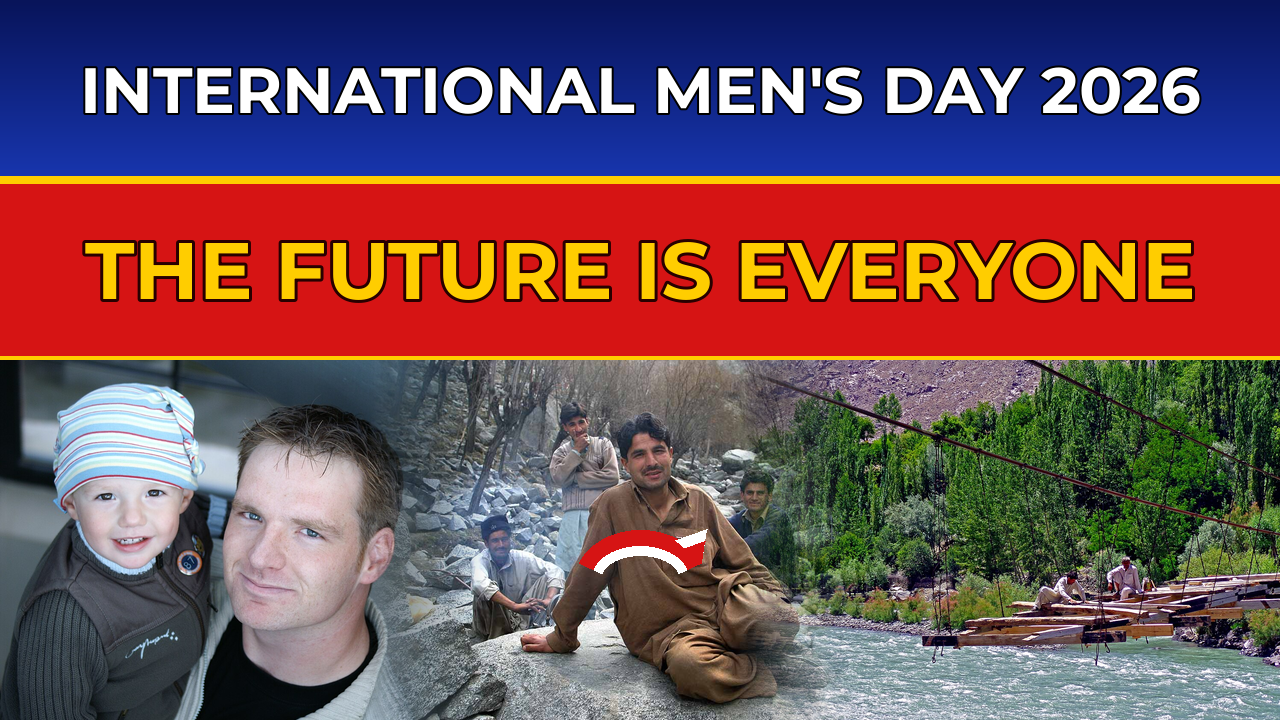
International Men’s Day 2026 is being observed today, Thursday 19 November, under the global theme “The Future Is Everyone”. The day celebrates the positive contribution men and boys make to their families and communities, and draws attention to their health and wellbeing. It is marked every year on 19 November, it is not a public holiday in Pakistan, and it is not a United Nations-designated day.
International Men’s Day 2026 at a glance
| Fact | Detail |
|---|---|
| Date | 19 November every year |
| Day in 2026 | Thursday 19 November 2026 |
| 2026 theme | “The Future Is Everyone” |
| First celebrated | 19 November 1999, Trinidad and Tobago |
| Founder | Dr Jerome Teelucksingh, history lecturer at the University of the West Indies |
| Observed in | More than 80 countries, including Pakistan |
| United Nations status | Not a UN-designated day; organisers are campaigning for formal recognition |
| Public holiday in Pakistan | No — offices and schools are open as normal |
| New in 2026 | ICMB Global State of Men and Boys Report 2026, published 19 November |
What “The Future Is Everyone” means
The theme was first put forward six years ago by the US writer Lisa Britton, as a reply to the slogan “the future is female”, and the day’s global organisers announced it as the 2026 theme in March. The idea is simple: a future that works for everyone has to include men and boys as well as women and girls. The organisers describe it as “a generous invitation to everyone for the recognition and support of males”.
That framing matters because the day is often misunderstood. It is not a protest against International Women’s Day, and it is not a celebration of men at the expense of women. Its own organisers say the point is partnership: men and women working together, and boys growing up with support rather than silence. The UK campaign keeps its own long-standing theme, “Supporting Men and Boys”, alongside the global one.
Where the day began
The modern observance began on 19 November 1999 in Trinidad and Tobago. Dr Jerome Teelucksingh, a history lecturer at the University of the West Indies, chose the date for two personal reasons: it was his father’s birthday, and it was the date in 1989 when Trinidad and Tobago’s football team had united the country in its bid to reach the World Cup. There had been earlier attempts at a men’s day in the early 1990s, including one in Malta, but Teelucksingh’s version is the one that spread. This year is the 28th annual observance.
The day rests on six aims, which the organisers call its pillars: promoting positive male role models, and not only film stars and sportsmen; celebrating the contribution men make to family and society; focusing on the health and wellbeing of men and boys; highlighting discrimination against men; improving gender relations and promoting gender equality; and creating a safer, better world for everyone.
A new global report on men and boys
This year’s observance comes with a new piece of evidence. The International Council for Men and Boys (ICMB) published its inaugural Global State of Men and Boys Report 2026 on 19 November, an assessment of 12 disparities affecting men and boys, drawing on evidence from more than 50 countries.
The report’s verdict is stark. Of the 12 areas it assessed, four fall in its lowest category, “Critical Neglect”, three in “Severe Disadvantage” and five in “Significant Disparity”. Not one of the 12 reaches even moderate progress. The areas covered are education, health, boys, false allegations and parental alienation, victims of violence, fatherhood, the criminal system, partner abuse, homelessness, the workplace, adoption and reproductive issues, and the media.
Some of the figures behind those findings are worth knowing. The report says men live about five years shorter than women worldwide, men account for 81% of homicide victims globally, and men make up about 76% of the world’s homeless population. These are global figures, and they describe patterns, not any one country. But they explain why the day’s organisers chose health and wellbeing as one of the day’s central pillars.
The men the day is really about
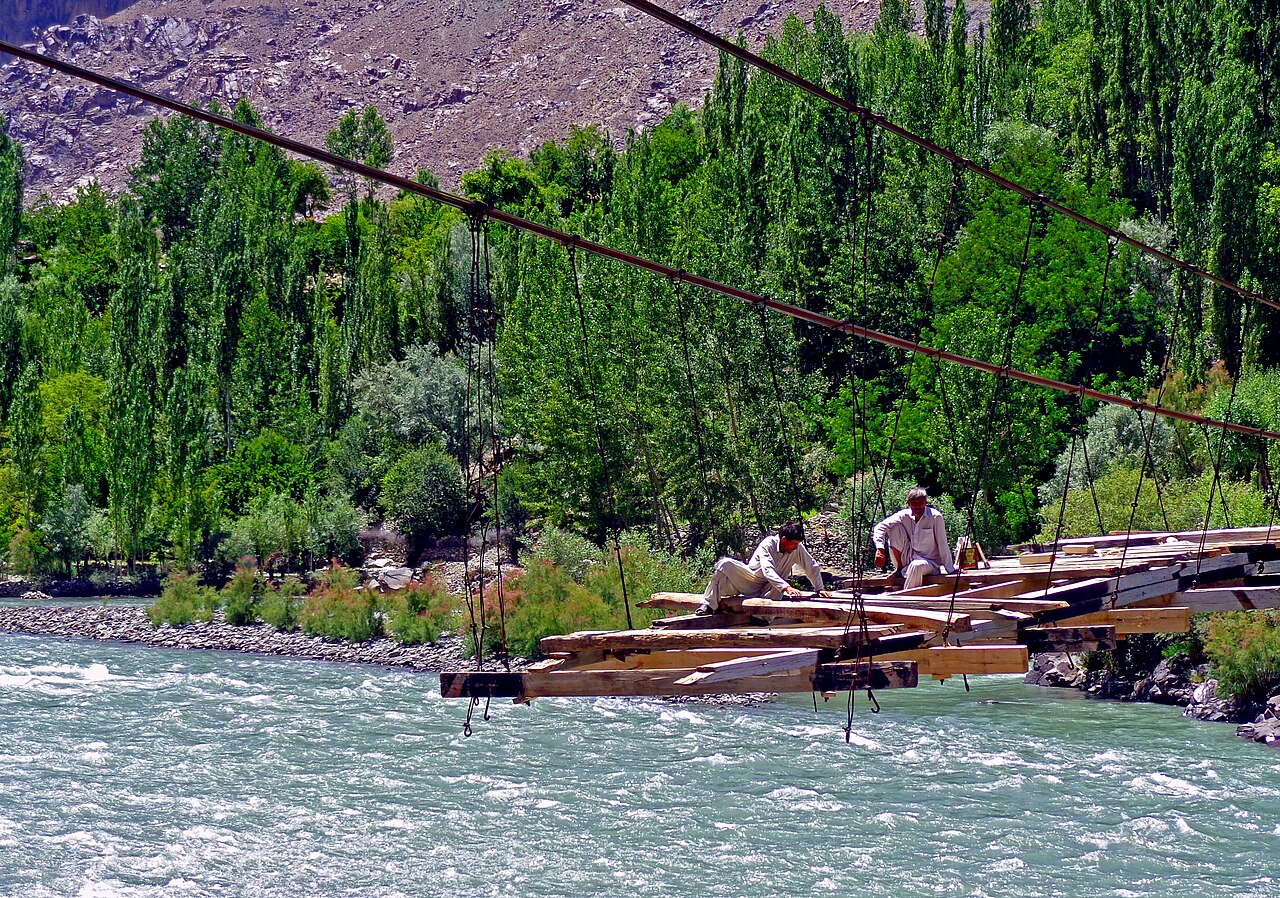
The organisers are clear that the role models the day celebrates should be ordinary men, not only famous ones: fathers, teachers, neighbours, and men doing honest work every day. That is the part of the day that translates most easily to Pakistan, where millions of men leave home before dawn to drive, build, farm, teach and run small shops, and come home late without ceremony.
Men’s health and wellbeing
Health is the most concrete part of the day, and the numbers behind it are serious. The World Health Organization’s 2019 figures put the global suicide rate at 12.6 per 100,000 men, against 5.4 per 100,000 women — men dying by suicide at more than twice the rate of women. Men also seek help later, and for fewer problems, than women do. The day falls in the middle of Movember, the month when men are urged to pay attention to prostate and testicular health and to mental health, and the two observances reinforce each other.
In Pakistan, the health conversation is moving in the same direction. The federal government has launched a Rs6.8 billion diabetes prevention programme, a disease that affects men in large numbers, and Khyber Pakhtunkhwa has announced a 100-day and 180-day health overhaul promising round-the-clock care at 250 facilities. The World Bank has also rated Pakistan’s $370 million health programme ‘satisfactory’, with 76% of its funds disbursed. None of these is a men’s-health programme as such, but all of them are part of the health system men in Pakistan rely on — and the simplest message of the day is a practical one: get a check-up, talk to someone if you are struggling, and check on the men around you.
International Men’s Day in Pakistan
Pakistan is one of the countries where the day is marked. It was introduced here in Muzaffargarh in 2010 by the human rights organisation ‘Rights and Rights’, whose founder Yousaf Jamal said at the time that he wanted to draw attention to the declining number of men in higher education. Since then the day has mostly been marked informally — in schools, workplaces and on social media — rather than through any official government programme. No official national event for the day in 2026 has been announced.

For a Pakistani audience, the day lands in a busy week. Pakistan’s blind cricket team faces India in the Blind Asia Cup final on 20 November, the day after the observance — a reminder that sporting role models, including players with disabilities, are part of the same conversation about what men and boys can achieve.
How to mark the day in Pakistan
There is no set way to mark the day, and that is part of the point. The organisers suggest thanking a man who has shaped your life, nominating a positive male role model at work or in your community, or simply starting a conversation about health that men usually avoid. In a Pakistani home, that can be as simple as asking a father, brother or husband how he is doing — and listening to the answer — or encouraging a check-up that has been put off for years.

Schools and workplaces can use the day to talk about boys’ education and wellbeing, which the new ICMB report flags as a global problem: boys underperform in education and face higher illiteracy rates in almost all the countries surveyed. In Pakistan, where the day was first raised over concern about men in higher education, that message still applies.
What the day is not
Three common misunderstandings are worth clearing up. First, International Men’s Day is not a United Nations day. It does not appear on the UN’s list of international days, and its organisers have made formal recognition on the UN calendar their first goal for 2026, alongside mandatory reporting of outcomes for males and females across UN programmes and endorsement of the New York Declaration for Men and Boys. Second, it is not a public holiday in Pakistan. November’s only public holiday this year was Iqbal Day on Monday 9 November, and 19 November is a normal working day. Third, it is not a rival to International Women’s Day, which falls on 8 March. The two days have different purposes, and the men’s day organisers say explicitly that supporting men and boys takes nothing away from supporting women and girls.
What is not yet known is whether the campaign for UN recognition will succeed, and whether the ICMB report’s findings will lead to any policy change in Pakistan or elsewhere. The report was only published today, and no government has yet responded to it. We will update this article when there is a development worth reporting. Checked on 19 November 2026.
Frequently asked questions
When is International Men’s Day 2026?
International Men’s Day 2026 falls on Thursday 19 November 2026. The day is observed on 19 November every year.
What is the theme of International Men’s Day 2026?
The 2026 theme is “The Future Is Everyone”. It calls on men and women to work together for a future where everyone has the chance to thrive, and it was first proposed by US writer Lisa Britton as a reply to the slogan “the future is female”.
Who started International Men’s Day?
The modern observance was started by Dr Jerome Teelucksingh, a history lecturer at the University of the West Indies in Trinidad and Tobago, who held the first 19 November observance in 1999. He chose the date to honour his father’s birthday.
Is International Men’s Day a public holiday in Pakistan?
No. International Men’s Day is not a public holiday in Pakistan, and offices, schools and businesses are open as normal on 19 November 2026. November’s only public holiday this year was Iqbal Day on Monday 9 November.
Is International Men’s Day recognised by the United Nations?
No. International Men’s Day is not on the UN’s list of international days. Its organisers are campaigning for formal recognition on the UN calendar, and that is their first goal for 2026.
How is International Men’s Day celebrated in Pakistan?
The day was introduced in Pakistan in Muzaffargarh in 2010 by the human rights organisation ‘Rights and Rights’. It is marked informally in schools, workplaces and on social media, usually by recognising fathers, teachers and mentors, and by talking about men’s health. There is no official government programme for the day.