FAA Grounds All US Flights: Nationwide Ground Stop After Telecom Outage
Latest: FAA Lifts Nationwide Ground Stop The FAA lifted the nationwide ground stop at 8:15pm ET on Friday, 13 November 2026, more than four hours after it grounded every departing flight in the United States, and confirmed in an advisory that the airspace was open. Flights began moving again on Friday night, but the disruption…
Latest: FAA Lifts Nationwide Ground Stop
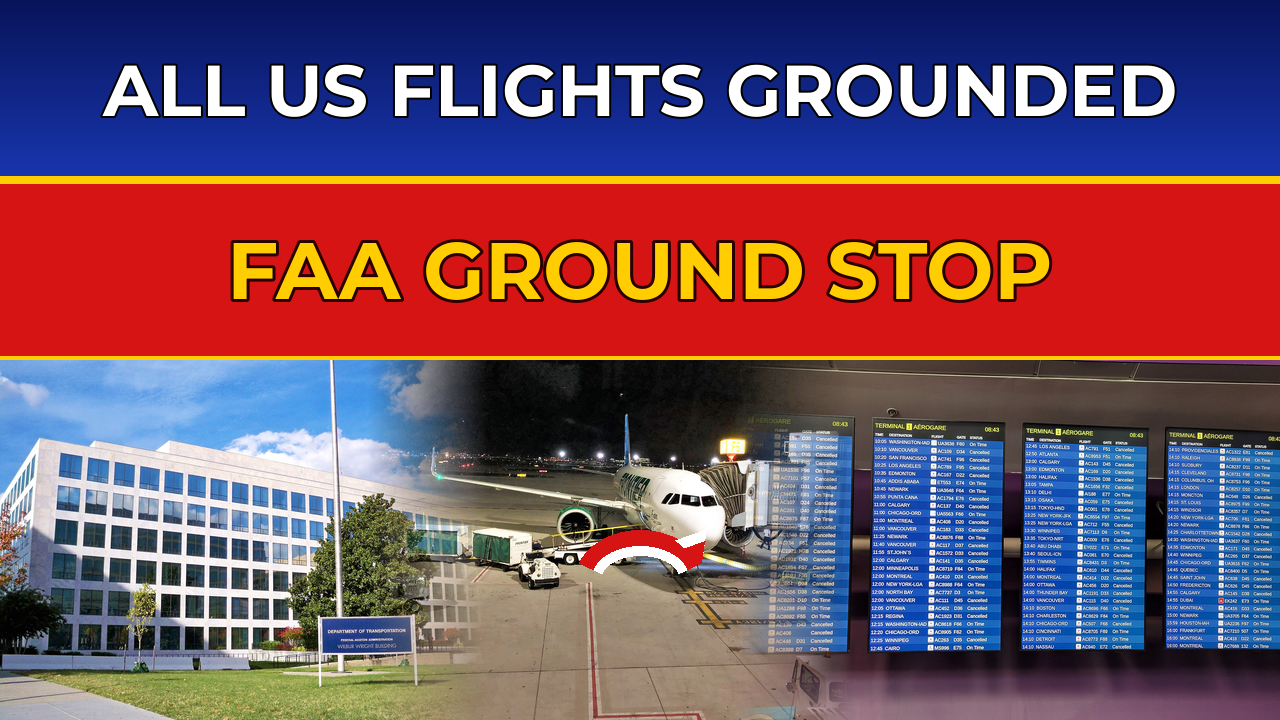
The FAA lifted the nationwide ground stop at 8:15pm ET on Friday, 13 November 2026, more than four hours after it grounded every departing flight in the United States, and confirmed in an advisory that the airspace was open. Flights began moving again on Friday night, but the disruption is spilling into Saturday.
The lift was nationwide and complete, not phased by centre. Transportation Secretary Sean Duffy said: “So at 8.15 tonight, Eastern Time, we’ve opened up the airspace.” The FAA said it had thoroughly tested its systems before clearing flights to resume. United, American, Delta and Southwest restarted operations on Friday night, though Duffy warned “it’s going to take us some time to unwind what’s happened this afternoon.”
More than 15,000 US flights were delayed or cancelled on Friday, according to flight tracker FlightAware, and about 3,000 more are expected to be delayed or cancelled on Saturday. More than 2,000 flights within, into or out of the US were already cancelled for Saturday. The stoppage was caused by a router that began flooding others on the air traffic control system during routine maintenance by contractor L3Harris to switch telecommunication lines from copper wire to fibre at a remote FAA site, and officials say there is no indication it was a cyberattack.
Thousands of travellers spent the night in airports, and disruption is expected to continue through the weekend as airlines clear the backlog of displaced planes, passengers, luggage and crew. Travellers should check their airline’s app before heading to the airport.
What caused the ground stop
Transportation Secretary Sean Duffy said the ground stop began when contractor L3Harris was carrying out routine maintenance at a remote FAA site, switching telecommunication lines from copper wire to fibre. The updated router began flooding other routers on the air traffic control system, disrupting communications and radar feeds. Officials have not yet determined whether the fault was installer error or a faulty router.
The disruption was widespread. According to FlightAware, more than 9,000 flights were cancelled on Friday, 13 November, and more than 5,000 had been cancelled by 1pm ET on Saturday, 14 November. FlightAware also counted more than 10,000 flights delayed or cancelled on Saturday.
FAA Administrator Bryan Bedford said as many as 17 of the FAA’s 22 air route traffic control centres were affected, although none went dark. Because so many centres were affected at once, the FAA issued the nationwide ground stop.
Officials said there was no evidence of a cyberattack. Transportation Secretary Sean Duffy said the department did not believe a foreign nation had attacked the network, and Bedford said there was zero evidence of anything nefarious.
Latest: Flights Resuming in Phases — No Full Lift Announced Yet
Some flights are moving again, but the nationwide ground stop has not been fully lifted. In a 5:46pm ET advisory on Friday, 13 November, the FAA said departures would be allowed as each en route centre recovers, coordinated through its Air Traffic Control System Command Center — so airports are restarting one by one, not all at once. Flights to Hawaii and Asia from San Francisco and Europe-bound flights from the East Coast were among the first cleared for takeoff. As of Friday evening US time, neither the FAA nor Transportation Secretary Sean Duffy had announced a full lifting of the order, and the AP reported the order ran through at least 11pm ET. More than 10,500 flights had been delayed and more than 2,500 cancelled as of 6:30pm ET, according to Fox Weather — well above the earlier Reuters figure in the table below. Travellers should still check their airline’s app before heading to the airport.
By Fatima Raza | Updated: 14 November 2026
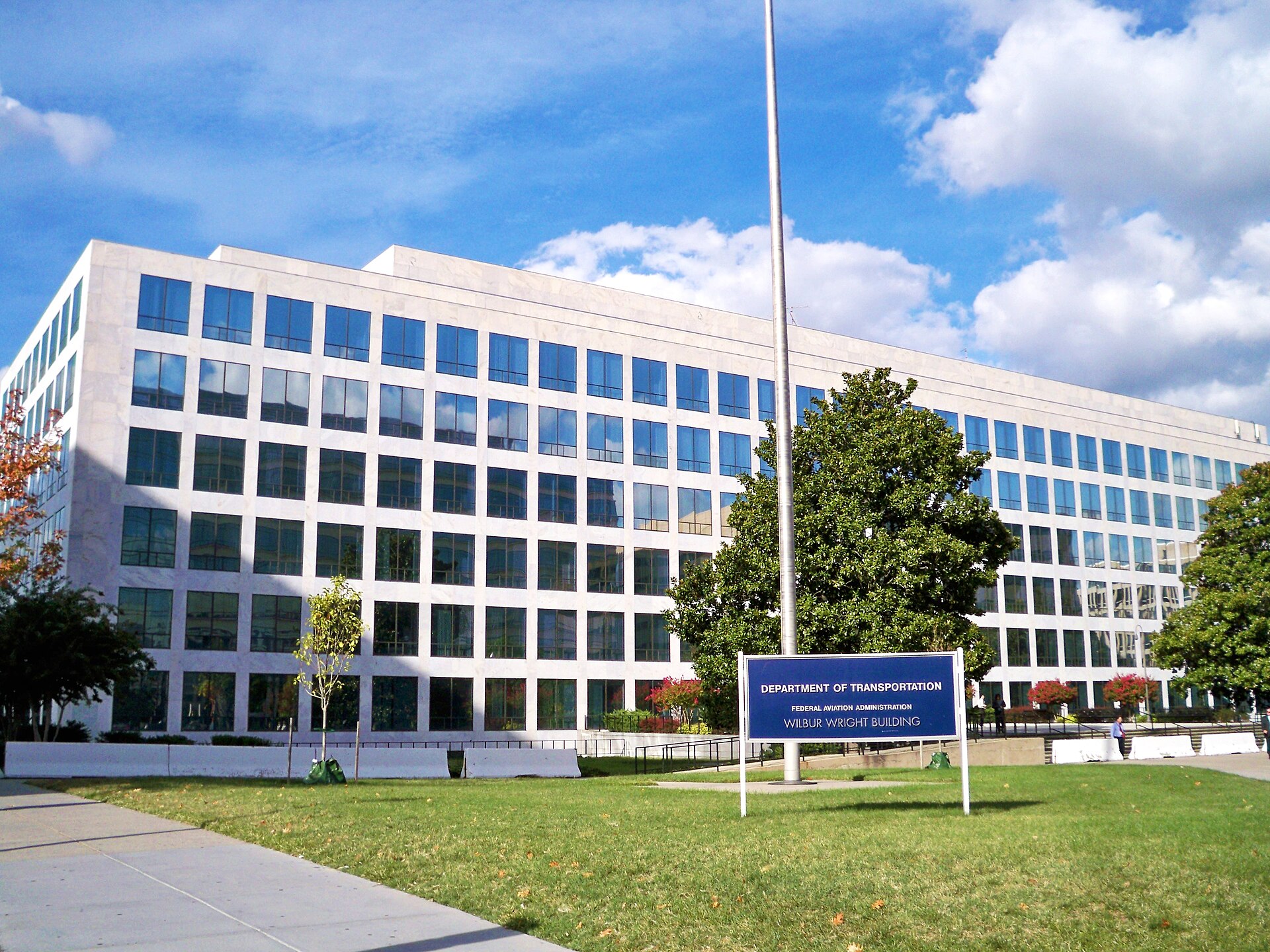
Every departing flight in the United States was grounded on Friday, 13 November 2026, after the Federal Aviation Administration (FAA) issued a nationwide ground stop at 3:54pm Eastern Time. The order covers all airports and tells all departing traffic to stay on the ground until further notice, following a telecommunications outage that hit every Air Route Traffic Control Center. Flights already in the air were allowed to keep flying and land. As of Friday evening in the US, the FAA had not said when departures would resume.
| Key fact | What we know |
|---|---|
| What happened | FAA nationwide ground stop — all departing flights at all US airports held |
| When it started | Friday, 13 November 2026, 3:54pm ET (1:54am PKT, Sat 14 Nov) |
| Advisory window | Lifted at 8:15pm ET, Friday 13 November 2026 — the FAA confirmed the airspace was open |
| Cause | Telecom / equipment outage affecting all Air Route Traffic Control Centers; FAA also cited frequency issues |
| Flights in the air | Not ordered to land; allowed to continue to their destinations |
| International flights | Inbound flights to the US handled case by case |
| Disruption so far | More than 15,000 flights delayed or cancelled on Friday; about 3,000 more expected delayed or cancelled on Saturday (FlightAware) |
| Cyberattack? | Officials say no indication of a nefarious or cyber attack; cause described as a telecom outage |
| How rare is this? | Only the second nationwide ground stop of all departures since 9/11 — the other was 11 January 2023 |
| Current status | Lifted at 8:15pm ET on Friday, 13 November 2026; flights resuming, with residual delays and cancellations into Saturday |
What happened on Friday afternoon
The order came from the FAA’s Air Traffic Control System Command Center. “Due to extraordinary circumstances and for reasons of safety,” the advisory read. “Attention all aircraft operators, by order of the Federal Aviation Command Center, all airports are ground stopped. All departing traffic should remain ground stopped until further notice. Inbound international flights will be managed on a case by case basis.”
Within minutes, departure boards across the country froze. Aircraft that had already pushed back from gates were held, and planes sat on taxiways with passengers on board. At Newark, almost an hour after the order, no airport-wide announcement had even been made over the loudspeaker.
Transportation Secretary Sean Duffy confirmed the stoppage on X at 4:16pm ET, writing that the FAA had issued a nationwide ground stop “following a communication issue impacting all Air Route Traffic Control Centers” and that “FAA technicians are investigating the issue.”
Why did the FAA ground every flight?
The short answer is that controllers lost reliable communications. The FAA told TechCrunch the stop followed “communication issues impacting multiple Air Route Traffic Control Centers” — the 22 regional centres that manage the airspace between airports. Flightradar24 reported the trigger as an equipment outage, and the FAA’s advisory also cited frequency issues across the National Airspace System. Homeland Security Secretary Markwayne Mullin called it “a telecommunication outage throughout FAA” and said restoring communications was the top priority.

What exactly failed is still not public. Officials have not said which piece of equipment broke or how long a fix will take — part of why the order was written as “until further notice” rather than with a firm end time, even though the advisory lists 11:30pm ET. That listed time is not a promise that flights will resume by then. The FAA also ruled out any link to SMART, its new AI-powered airspace planning system, whose national expansion was announced just three days earlier.
What it means for travellers
A ground stop is not the same as a mass cancellation, though for many passengers on Friday it felt like one. The order stops departures; it does not cancel flights by itself. But with thousands of aircraft out of position and crews running out of legal duty hours, delays and cancellations piled up fast. Reuters reported nearly 7,000 flights delayed or cancelled, though a breakdown between the two was not immediately available and the FAA has not released its own count.
Passengers already in the air were the lucky ones. The FAA did not order airborne flights to land, and flight tracking showed more than 4,000 flights airborne and bound for US airports when the stop began. International flights heading to the United States are being handled case by case. United Airlines told passengers its airborne flights would continue, but new domestic flights would not depart while the stop remained in place. For travellers from Pakistan, international routes are worth watching too — direct flights to the UK are expanding, with PIA resuming Islamabad–Birmingham services from 1 December: PIA Islamabad–Birmingham direct flights from December 1, 2026.
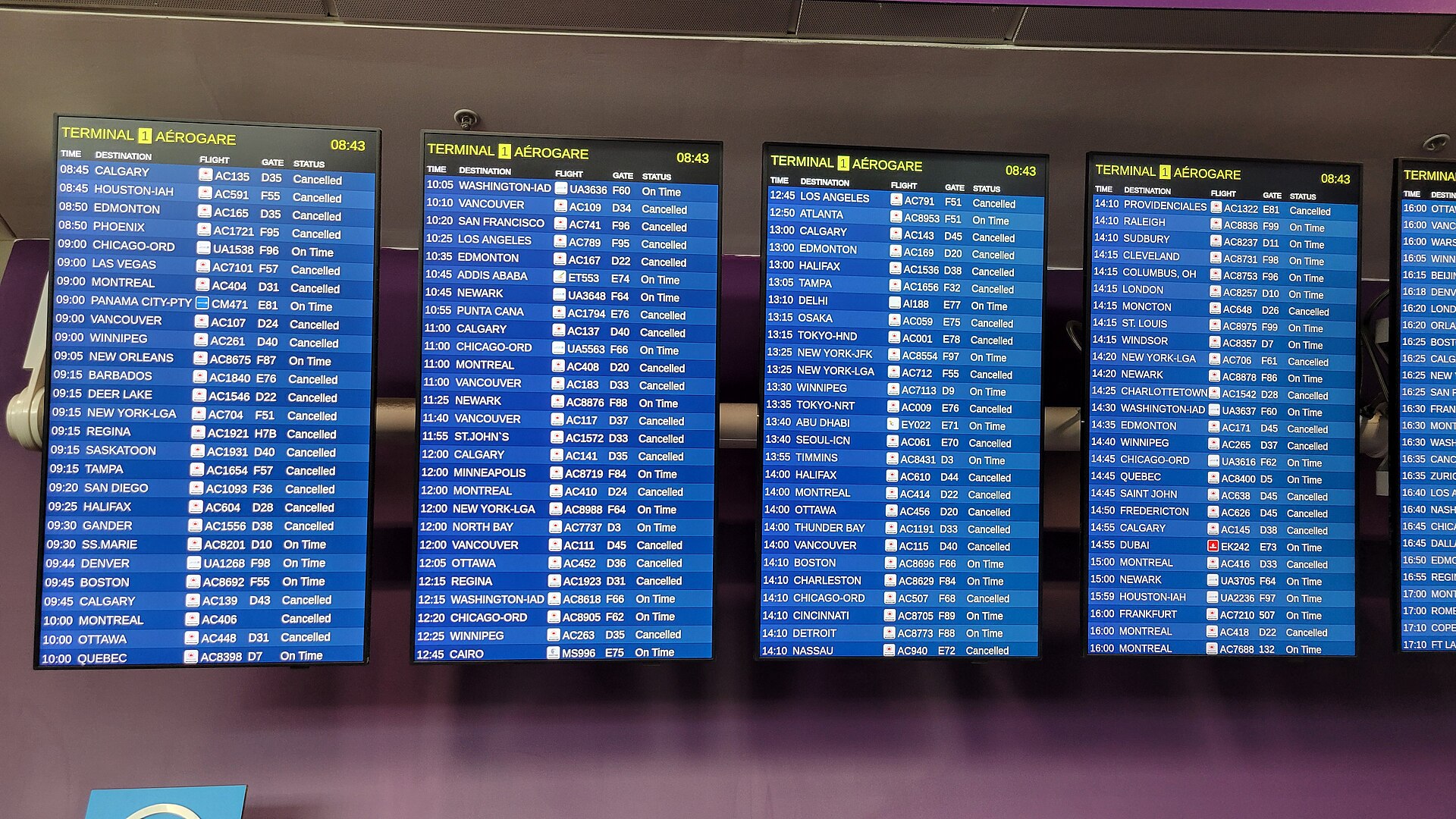
At airports, the human cost was visible within the hour. In Nashville, a father of five heading home to Seattle weighed renting a car. In Detroit, a woman travelling via Denver for her sister’s bridal shower realised she would miss it. “It’s Friday the 13th, so I wasn’t meant to fly, I guess,” she said. At Gainesville Regional Airport in Florida, staff ordered pizza for about 80 stranded passengers.
No indication of a cyberattack, officials say
Within minutes of the order, “cyber attack” was trending alongside the ground stop on US social media, and the comparison with 9/11 was everywhere. Officials moved quickly to push back on both. “There is no prior indication as of yet that this was a nefarious attack against us,” Mullin said. “It’s just a telecommunication outage as of right now.” The grounding was done “out of an abundance of caution,” he added: “Everybody’s safe. There is no reason to be concerned about your loved ones if they’re flying.” He also said the outage had nothing to do with the recent Microsoft Outlook problems.
Mullin did not completely close the door, saying “we’re not ruling anything out at this point” when asked about a cyber attack. But as of Friday afternoon, no evidence of malicious activity had been presented, and independent analysts agreed — Colin P. Clarke of the Soufan Group said he had seen no evidence to suggest cyber terrorism was behind the stop.
The episode shows how quickly speculation fills an information vacuum. Pakistan’s own National CERT recently warned banks about cyberattack risks — but a warning about risk is not evidence of an attack. Every official statement so far points to an equipment and communications failure, not a hostile act. Our earlier report on that warning is here: National CERT issues AI cyberattack warning for banks in Pakistan.
Only the second time since 9/11
The scale of Friday’s order is what makes it historic. The only other times an event like this has happened were 11 September 2001 and 11 January 2023, when the FAA’s Notice to Air Missions (NOTAM) system failed.
In January 2023, contractors accidentally deleted files while synchronising the primary NOTAM database with a backup, and the error spread to the backup too. The NOTAM system gives flight crews essential safety information, including runway closures and hazards. The FAA paused departures for nearly two hours while technicians restored service, and disruptions continued all day. Investigators later found no evidence of a cyberattack.
The 2023 failure led to congressional hearings and a modernisation push, including a one-hour delay between database updates to prevent a repeat. Friday’s outage was a different system, in a different part of the operation — but for travellers stuck at gates across America, the result felt very familiar.
The timing could hardly have been worse for the aviation industry. Boeing, the backbone of the US commercial fleet, has already been cutting jobs this year — our report is here: Boeing to cut 5 percent of commercial airplane workforce in 2026. A day of frozen departures adds cancellations, stranded crews and compensation claims to an industry already under pressure.
College football teams caught on the ground
The stop also threw college football into chaos on the eve of a big weekend, with most road teams due to fly on Friday for Saturday’s games.
Tennessee, Texas and Ole Miss — all ranked teams heading to big road games — were grounded: Tennessee was due at Texas A&M, Texas at LSU, and Ole Miss at Oklahoma. Baylor, Kansas State, Utah, Washington, Purdue and Minnesota were among the others still waiting late on Friday. Alabama avoided the mess by bussing to Nashville for its game against Vanderbilt, while Auburn weighed a four-hour drive to Mississippi State. Florida, Nebraska, Missouri and South Carolina had already landed before the order came down, and USC was already in the air. For Ole Miss, postponing Saturday’s game to Sunday was openly discussed.
How long will the ground stop last?
Nobody in authority would give a time. The advisory’s listed window runs to 11:30pm ET, but the order says “until further notice,” and the FAA has given no estimate for resumption. As of about 5pm ET on Friday, neither Secretary Duffy nor the FAA had announced that the stop had been lifted.
Even when the order is lifted, the recovery will not be instant. Aircraft and crews will be in the wrong cities, thousands of passengers will need rebooking, and Friday evening departures that never left will have to be squeezed into Saturday’s schedule. The January 2023 stop lasted under two hours, yet disruptions ran all day — and Friday’s stop began in the middle of the afternoon rush and was still in force hours later.
What travellers should do now
If you are due to fly in the US over the weekend, do not head to the airport on your original departure time. Check your airline’s app first for your flight’s status.
If your flight is cancelled, your airline should rebook you on the next available service, and you are generally entitled to a refund if you choose not to travel. Keep boarding passes, receipts and screenshots of cancellation notices — they make any claim far easier.
For non-urgent trips, the honest advice on Friday evening was simple: wait. Let the system clear. The planes will fly again, but the next 24 hours will be messy, and a day’s patience may save a night on an airport floor.
Frequently asked questions
What is an FAA ground stop?
A ground stop is a traffic management measure issued by the FAA that requires all aircraft meeting specific criteria to remain on the ground. On Friday, the criteria covered every departure at every US airport, so no departing flight could take off until the order was lifted.
Why did the FAA ground all flights on 13 November 2026?
The FAA said a telecommunications and equipment outage caused communication issues affecting all Air Route Traffic Control Centers, which manage airspace between airports. The agency also cited frequency issues across the National Airspace System.
How long will the FAA ground stop last?
The advisory lists 3:54pm to 11:30pm ET on 13 November, but the order says departures must remain grounded “until further notice.” The FAA has given no resumption estimate.
Was the FAA ground stop caused by a cyberattack?
Officials say no. Homeland Security Secretary Markwayne Mullin said there was “no prior indication” the outage was a nefarious attack and described it as a telecommunications outage. No evidence of a cyberattack has been presented, and every official statement so far points to a technical failure.
Are flights already in the air affected?
No. Flights already airborne were not ordered to land and were allowed to continue to their destinations. More than 4,000 flights were airborne bound for US airports when the stop began.
Has this happened before?
Only twice before at this scale. The last nationwide ground stop of all departures was on 11 January 2023, when the FAA’s NOTAM system failed after contractors accidentally deleted files. Before that, the only comparable event was 11 September 2001.
What caused the FAA ground stop?
Contractor L3Harris was switching telecommunication lines from copper wire to fibre at a remote FAA site when an updated router began flooding other routers on the air traffic control system. FAA Administrator Bryan Bedford said as many as 17 of the FAA’s 22 air route traffic control centres were affected. Officials said there was no evidence of a cyberattack.