William and Kate Honour Young Innovators at First-Ever Children’s Earthshot Awards in Mumbai
By Hira Shahid | Updated: 17 November 2026 Prince William and Princess Catherine honoured five winning school teams at the first-ever Children’s Earthshot Awards in Mumbai on Tuesday, 17 November 2026, putting India’s youngest environmental innovators at the centre of the royal couple’s three-day visit. The ceremony at the Museum of Solutions celebrated children aged…
By Hira Shahid | Updated: 17 November 2026
Prince William and Princess Catherine honoured five winning school teams at the first-ever Children’s Earthshot Awards in Mumbai on Tuesday, 17 November 2026, putting India’s youngest environmental innovators at the centre of the royal couple’s three-day visit. The ceremony at the Museum of Solutions celebrated children aged 9 to 17 whose ideas emerged from a nationwide challenge that reached more than 15,000 schools across 24 Indian states, and each winning team received a US$2,000 grant to bring its solution to life.
The children’s awards took place just hours before the main Earthshot Prize ceremony on Tuesday evening, where five adult winners will each receive £1 million. This article covers the children’s event only. The main-prize winners will be covered separately once they are announced.
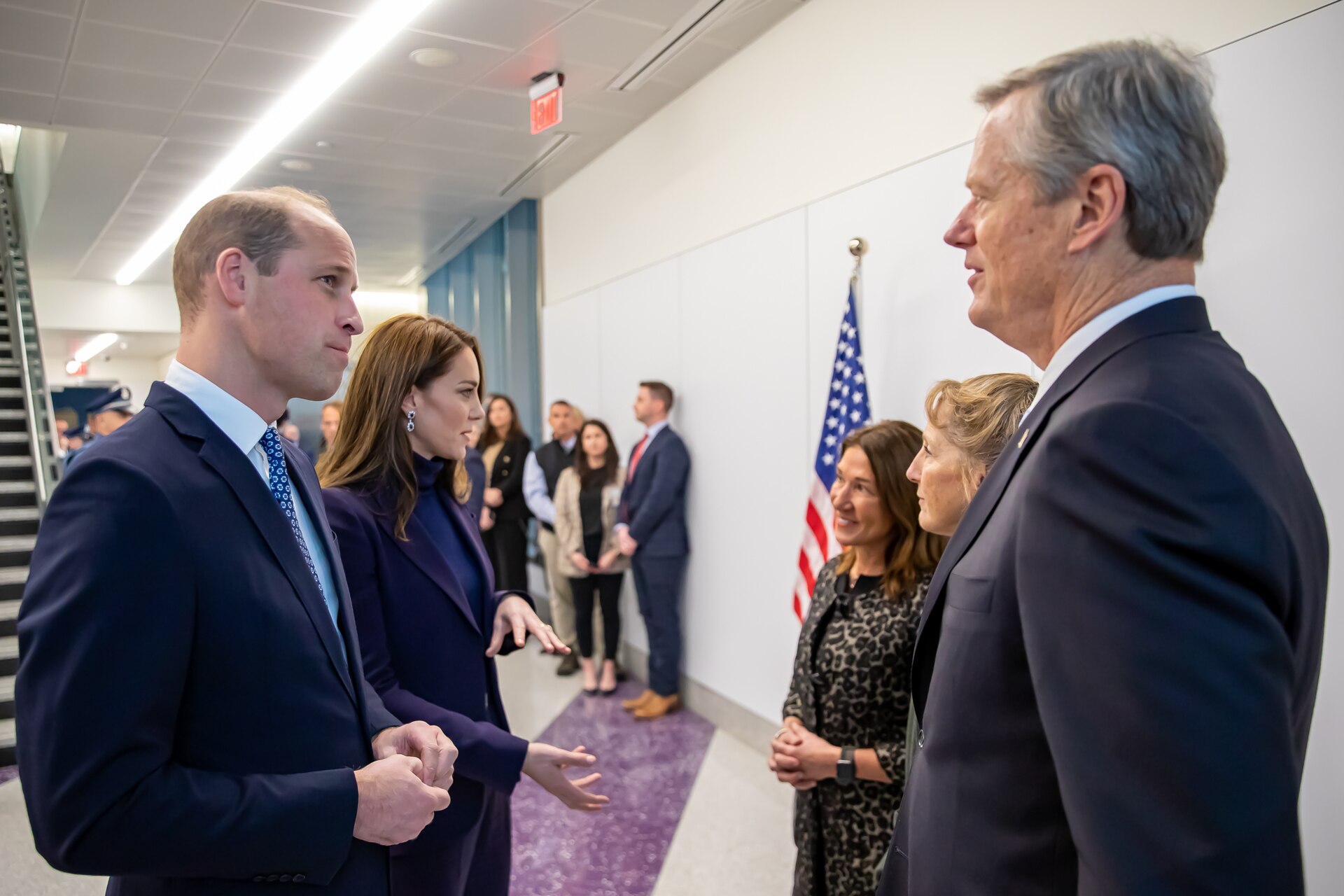
Children’s Earthshot Awards 2026: key facts
| Detail | What happened |
|---|---|
| Event | First-ever Children’s Earthshot Awards |
| Date | Tuesday, 17 November 2026 |
| Venue | Museum of Solutions, Mumbai, India |
| Guests of honour | Prince William and Princess Catherine (Kate) |
| Arrival time | 1:35pm local time |
| Winning teams | Five, one in each Earthshot category |
| Grant per winner | US$2,000 to develop the solution |
| Challenge behind it | I CAN Earthshot Challenge, ages 9 to 17 |
| Challenge reach | More than 15,000 schools, 24 Indian states, close to one million students |
| Finalist teams in Mumbai | 15 teams, from nine Indian states and Delhi |
| Main ceremony | Sixth annual Earthshot Prize Awards, evening of 17 November 2026, Mumbai |
The five winning teams
Five winning teams were honoured at the event, one in each of the same five categories as Prince William’s main Earthshot Prize. The winning projects tackle problems the children see every day in their own communities, from vegetables spoiling in the heat to plastic waste and polluted rivers. Here are the winners:
| Earthshot category | Winning project | School |
|---|---|---|
| Fix Our Climate | Cool Crate | Satya Elementary School, Dhulka, Punjab |
| Revive Our Oceans | A Diya for the River, A Light for Life | Espalier The Heritage School |
| Clean Our Air | PureVaYu: A Breath of Change | National Public School, Karnataka |
| Build a Waste-Free World | Decom POSSIBLE | SSATN Panchayat Union Middle School, Ammaiyappan (West), Tamil Nadu |
| Protect and Restore Nature | Tiny Actions, Mighty Impact | Kaligi Ranganathan Montford Matriculation Higher Secondary School, Tamil Nadu |
Two of the winning ideas show just how practical the children’s thinking was. Cool Crate, from Satya Elementary School in Dhulka, Punjab, is a low-cost cooling crate built to help roadside vegetable vendors protect their produce from extreme heat. The pupils built it using wood-wool pads and a small water pump, then spent weeks testing the water flow and pad arrangement to improve the evaporative cooling. The working prototype has already reached more than 100 people, with positive feedback from local vendors.
Decom POSSIBLE, from SSATN Panchayat Union Middle School in Tamil Nadu, tackles mixed waste disposal, plastic pollution and the daily difficulties faced by sanitation workers. The students developed an alternative to polythene waste bags using old newspapers, jute handles and a moisture-resistant coating made from discarded crayons. Over more than 30 days they visited households, handed out the bags and built a school composting pit measuring 8 by 2 by 3 feet, where segregated organic waste turned into manure within a month. The initiative reports benefiting 502 people.
Each of the five winning teams receives a US$2,000 grant to further develop its solution, expand its reach and create lasting impact within its own community. The grants are deliberately modest compared with the main prize: this is about giving schoolchildren the means to keep going, not about scaling a business. What matters is that the ideas were judged on their own terms, by children, for the places they live in.
A challenge that reached close to a million students
The children’s awards are the finale of the I CAN Earthshot Challenge, run by the Earthshot Prize in partnership with the Brazilian organisation Alana and the global youth movement Design for Change. It is the largest youth outreach initiative in the Earthshot Prize’s history, engaging close to one million students across more than 15,000 schools in 24 Indian states, alongside an open digital platform accessible nationwide.
Children aged 9 to 17 submitted their ideas between June and October 2026, focusing on the same five environmental goals as the main prize: Protect and Restore Nature, Revive Our Oceans, Clean Our Air, Build a Waste-Free World and Fix Our Climate. Fifteen finalist teams, from nine Indian states and Delhi, were shortlisted and travelled to Mumbai for a two-day programme at the Museum of Solutions, where they presented their ideas, received feedback and took part in workshops covering all five Earthshots.
The scale is the story here. Most school competitions reach a few hundred classrooms. This one reached a significant slice of India’s school system, and the finalists’ projects are strikingly grounded: classroom heat, food spoilage, river conservation, groundwater recharge, water quality and waste management. These are not abstract climate topics chosen from a textbook. They are the problems children walk past on the way to school.
The afternoon in Mumbai
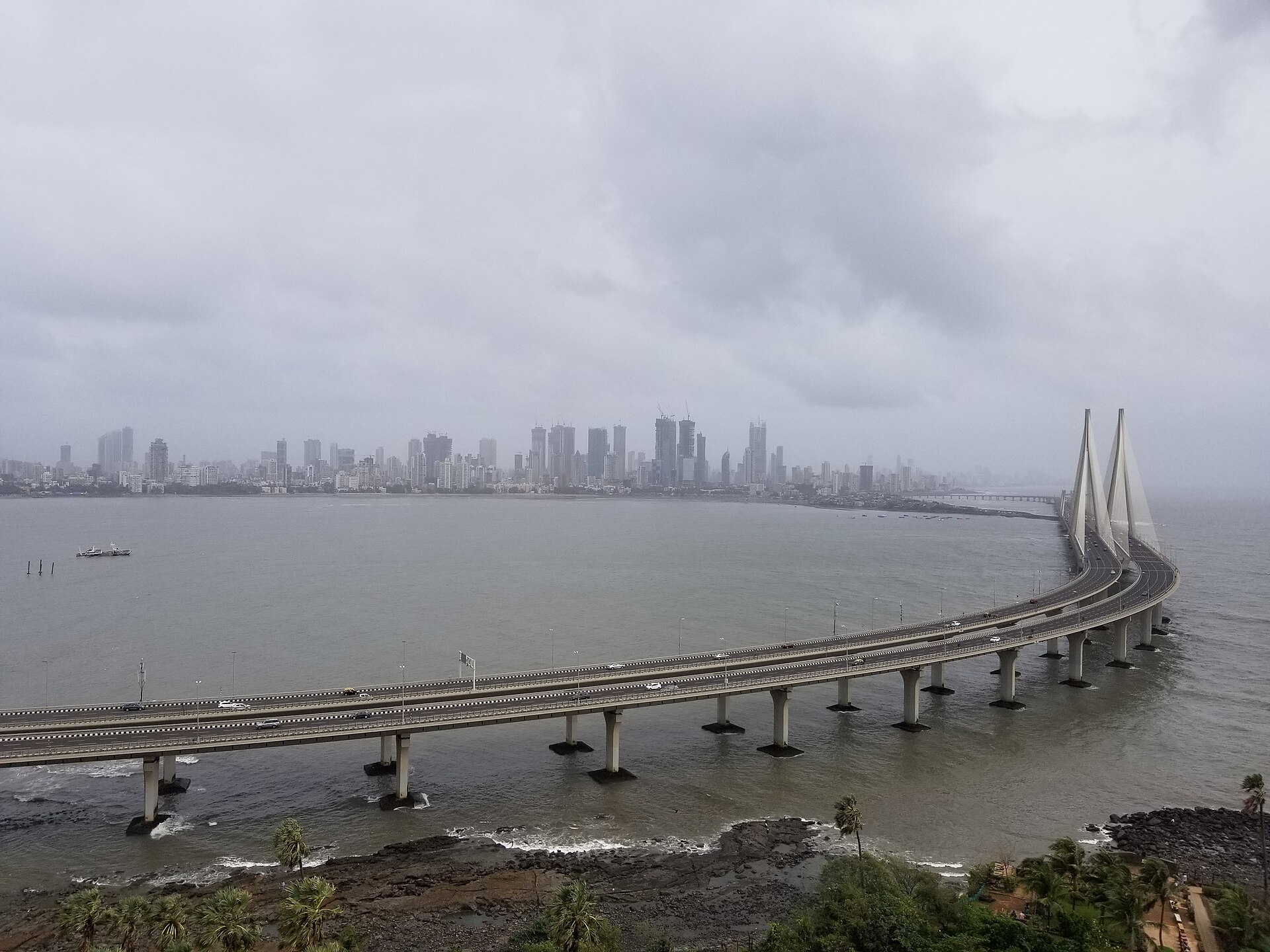
The Prince and Princess of Wales arrived at the Museum of Solutions at 1:35pm local time. They were greeted by Earthshot Prize ambassadors Robert Irwin, the wildlife conservationist, actress Nomzamo Mbatha and Bridgerton star Simone Ashley, who is also set to perform at the main Earthshot Prize Awards later in the evening.
Irwin, who appeared alongside William on the 23 October episode of The Graham Norton Show to promote the prize, used the meeting to update the prince on the sea crocodile he named after him. “He’s doing well. He’s a traveler,” Irwin told a smiling William, explaining that the 12-foot crocodile has travelled hundreds of kilometres north to the tip of Cape York in Australia, and is currently feasting on crabs and sea turtles at Crab Island.
Kate, meanwhile, spoke with Mbatha and was seen admiring her saree, made by the iconic brand Garden Vareli from recycled polyester yarn derived from discarded plastic. The striking blue colour was created by Colorfix, a 2023 Earthshot Prize finalist, which replaces harmful dyes by using harmless bacteria to create and fix colours on fabric. Kate herself wore a striking blue suit by Gabriela Hearst, which she first wore at Wimbledon this summer, with a Dior Cigale bag by Jonathan Anderson, custom-made using traditional Indian craftsmanship.
The children’s ceremony brought together two causes close to both William and Kate: protecting the environment for future generations and helping young people thrive. “For both the Prince and Princess, inspiring young people and helping them feel optimistic about the future is something they care deeply about,” the Kensington Palace spokesperson said. Kate has long championed childhood development and giving young people the foundations to thrive, so the children’s ceremony offered a particularly meaningful connection to her own royal work.
Earlier on Tuesday morning, William stepped out solo to meet the 15 finalists competing for this year’s main Earthshot prizes, before rejoining Kate for the children’s celebration. The couple, both 44 and parents to Prince George, 13, Princess Charlotte, 11, and Prince Louis, 8, arrived in India early on Monday, 16 November, on a scheduled commercial flight. Shortly afterwards, they visited the historic Ballard Estate in Mumbai, where they played street cricket to highlight what their office called “the power of sport to bring people together and create opportunities for young people.”
William also shared a message on social media after landing: “Catherine and I are delighted to be in India for this year’s Earthshot Prize. India has made an extraordinary contribution to Earthshot over the past six years and is home to more Earthshot Finalists and Winners than any other country.” He added: “It has also become one of the most exciting places in the world for environmental innovation, with people across the country developing practical solutions to some of the greatest challenges we all share.”
Why this visit matters so much
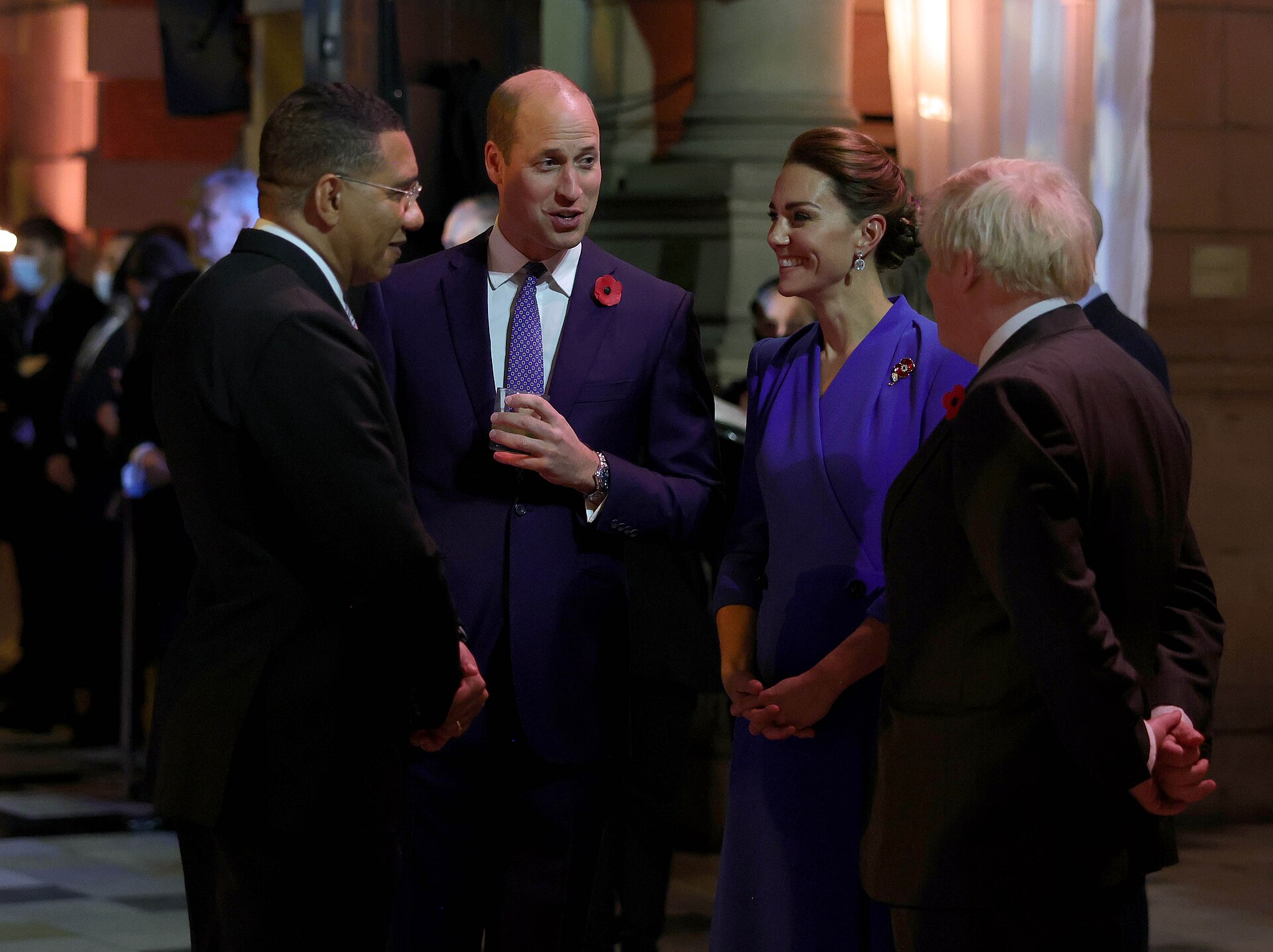
This is the royal couple’s first joint overseas engagement since Kate announced her cancer diagnosis in 2024, and her first Earthshot Prize since Boston in 2022, when the ceremony was held in the United States. The trip had been on William’s agenda for months, but the couple’s team only confirmed over the weekend that Princess Kate would be joining her husband. Their India visit is also their first official overseas tour together in four years.
Their return to India comes nearly a decade after their previous joint visit to the country in 2016, when they also travelled to Bhutan. A great deal has changed since then, not least the Earthshot Prize itself, which has grown from a new idea into one of the world’s most prominent environmental awards.
India’s role in that growth is central. The country has produced more Earthshot finalists and winners than any other nation since the prize began, with nine finalists so far and four winners: Boomitra, Keyti, S4S Technologies and Takachar. Earthshot Prize CEO Jason Knauf told The Hindu that past Indian winners had been able to raise US$800 million in commercial international investment after winning.
Tonight: the main Earthshot Prize Awards
The children’s ceremony is the warm-up for the main event. The sixth annual Earthshot Prize Awards take place in Mumbai on the evening of Tuesday, 17 November 2026, the first time the ceremony has ever been held in India. Around 5,000 guests, including environmental innovators, business leaders, philanthropists and celebrities from across the world, are expected to attend.
The Earthshot Prize was launched by Prince William in 2020 and aims to recognise 50 winners over a 10-year period. Every year, five winners are selected from 15 global finalists, with each winner receiving £1 million, approximately ₹12.5 crore, to scale their work and turn bold environmental ideas into actual impact.
This year’s 15 finalists were chosen from nearly 7,000 nominations across 169 countries, and organisers describe them as the most diverse cohort yet, spanning businesses, policymakers, community leaders and grassroots organisations. The awards ceremony will be hosted by filmmaker Karan Johar, with performances by British pop group Take That and Indian artists including Shreya Ghoshal, and actor Rami Malek among the guests. Simone Ashley, who joined the children’s ceremony in the afternoon, will also perform. The ceremony will stream globally on Prime Video, starting 30 November, in more than 40 languages.
Two Indian finalists are chasing the main prize. Under Fix Our Climate, Mahila Housing Trust, led by executive director Bijal Brahmbhatt, helps some of India’s most vulnerable communities tackle extreme heat, with affordable heat-reflecting roof coatings and climate-risk insurance that protects women workers’ livelihoods. Under Clean Our Air, Mahindra Last Mile Mobility, led by managing director and CEO Suman Mishra, builds affordable electric rickshaws and has become one of India’s biggest electric three-wheeler manufacturers.
The main-prize winners will be announced on stage on Tuesday evening. They will be covered in a separate update; this article covers the children’s awards only.
What the Children’s Earthshot Awards mean
The most striking thing about the first Children’s Earthshot Awards is not the royal presence. It is the fact that the ideas being honoured are small, local and immediately useful. A cooling crate for vegetable vendors. Bags made from old newspapers. A school compost pit. These are not the kind of projects that usually win global prizes, and that is exactly the point.
The main Earthshot Prize rewards solutions ready to scale across countries. The children’s awards reward solutions ready to work in one neighbourhood, one school, one market. The US$2,000 grants will not change the world on their own, but they give fifteen teams of schoolchildren a reason to keep building, and they tell close to a million students who took part that their ideas were worth hearing.
For the Earthshot Prize, the children’s strand is also a bet on the future. William founded the prize in 2020 with a ten-year horizon, and its organisers have always said it is about the next generation. On Tuesday in Mumbai, for the first time, the next generation had its own stage, its own winners and its own applause, hours before the adults took theirs.
More from TimelyUps
- The Hunger Games: Sunrise on the Reaping — release date, cast and box office
- Pakistan vs Sri Lanka 2nd Test, November 17: Rawalpindi preview
- Pakistan–Turkmenistan direct flights and trade corridors
Frequently asked questions
What are the Children’s Earthshot Awards?
The Children’s Earthshot Awards are a new strand of the Earthshot Prize for schoolchildren. The first-ever ceremony took place in Mumbai on 17 November 2026, honouring five winning school teams, one in each Earthshot category, chosen from the I CAN Earthshot Challenge.
Who won the Children’s Earthshot Awards 2026?
Cool Crate (Satya Elementary School) won Fix Our Climate; A Diya for the River, A Light for Life (Espalier The Heritage School) won Revive Our Oceans; PureVaYu: A Breath of Change (National Public School, Karnataka) won Clean Our Air; Decom POSSIBLE (SSATN Panchayat Union Middle School) won Build a Waste-Free World; and Tiny Actions, Mighty Impact (Kaligi Ranganathan Montford Matriculation Higher Secondary School, Tamil Nadu) won Protect and Restore Nature.
How much do the children’s winners receive?
Each of the five winning teams receives a US$2,000 grant to further develop its solution, expand its reach and create lasting impact within its community. This is separate from the main Earthshot Prize, where five winners each receive £1 million.
Where were the Children’s Earthshot Awards held?
The ceremony was held at the Museum of Solutions in Mumbai on Tuesday, 17 November 2026, with Prince William and Princess Catherine in attendance. It was the finale of a two-day Children’s Earthshot programme for the 15 finalist teams.
What is the I CAN Earthshot Challenge?
The I CAN Earthshot Challenge is a nationwide challenge for children aged 9 to 17 in India, run by the Earthshot Prize with Alana and Design for Change. It reached close to one million students across more than 15,000 schools in 24 Indian states, making it the largest youth outreach initiative in the prize’s history.
When are the main Earthshot Prize 2026 winners announced?
The main Earthshot Prize winners are announced at the sixth annual Earthshot Prize Awards in Mumbai on the evening of Tuesday, 17 November 2026. Five winners, one per category, will each receive £1 million. They are covered separately from the children’s awards.