ChatGPT Wallet Launched: OpenAI’s AI Agents Can Now Pay for You — But Not in Pakistan Yet
By Fatima Raza | 15 November 2026 OpenAI launched ChatGPT Wallet on 13 November 2026, and it does something no mainstream chatbot has done before: it lets an AI agent pay for things on your behalf. Ask your ChatGPT agent, known as a “dot”, to buy a sweater or book a hotel, and it can…
By Fatima Raza | 15 November 2026
OpenAI launched ChatGPT Wallet on 13 November 2026, and it does something no mainstream chatbot has done before: it lets an AI agent pay for things on your behalf. Ask your ChatGPT agent, known as a “dot”, to buy a sweater or book a hotel, and it can now complete the checkout itself, after you review the order and approve it with Face ID or a fingerprint. Your real card number is never shown to the agent or the shop. The catch for readers in Pakistan: ChatGPT Wallet is not available here yet, and OpenAI has announced no date, price in rupees, or country list for Pakistan.

ChatGPT Wallet at a glance
ChatGPT Wallet is a payment wallet built into ChatGPT, and OpenAI describes it as the first wallet that lets agents pay without access to users’ actual card details, with a security check for every purchase. It was built with American Express, Mastercard and Visa, and it is rolling out gradually to ChatGPT Pro subscribers in the United States. OpenAI says 1.2 billion people use ChatGPT each week, many of them to research products and decide what to buy. Wallet turns that research into a completed purchase.
| Fact | Detail |
|---|---|
| Launch date | 13 November 2026 (“Introducing ChatGPT Wallet”, OpenAI) |
| What it does | Lets a ChatGPT “dot” agent complete a purchase for you, after your approval |
| Built with | American Express, Mastercard and Visa |
| Who can use it now | ChatGPT Pro subscribers, 18+, living in the US, with an eligible US-issued credit card and US billing address |
| Cards accepted | Eligible US-issued Amex, Chase, Mastercard or Visa credit cards only |
| Cards not accepted | Debit cards and virtual cards are not supported at launch |
| Where it works | Only inside “dot” conversations, not Chat, Work or Codex threads |
| Approval | Every purchase needs a security check, such as Face ID or a fingerprint scan |
| Pakistan | Not available; OpenAI has announced no launch date or country list |
| Weekly ChatGPT users | 1.2 billion, according to OpenAI |
How a ChatGPT Wallet purchase works
The flow is deliberately short, and the approval step is the whole point. OpenAI’s own examples are everyday ones: “Help me find a new sweater” or “Book me a hotel for my trip to Chicago next weekend.” Here is what happens.
First, you add a card once. You enter your card in a secure form, not in the chat itself. OpenAI is explicit: never type card numbers, security codes or bank verification codes into the chat. The card is stored once, and you do not re-enter your details for every purchase.
Second, the agent shops. Your dot searches, compares options and gets to checkout on the merchant’s own website, using its own cloud browser. It works with existing checkout pages and payment forms, so a shop does not need a special Wallet integration.
Third, you review the purchase request. Before any money moves, ChatGPT shows you the merchant, the items, the total, the selected card and any shipping or recurring-payment terms. This is your chance to catch a mistake: the wrong size, the wrong seller, or a shop you do not recognise.
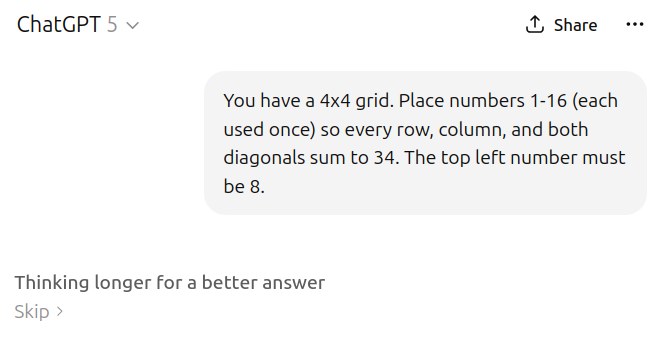
Fourth, you approve with a security check. You confirm with Face ID, Touch ID or another biometric check. Each approval creates a clear record of the purchase you authorised. No approval, no payment: at launch, the agent cannot complete a Wallet purchase without your review and security check.
Fifth, the payment network issues a token. After approval, the network supplies a payment token, a substitute with its own card number, security code and expiration date. The agent uses that token to finish checkout, and neither the agent nor the business ever sees your real card details. Note that “Ready to check out” only means your approval is complete; it does not confirm the merchant placed the order, so look for a merchant confirmation before trying again.
What is a “dot”, and why does Wallet only work there?
Wallet only works inside conversations with a dot. Dots are the always-on agents OpenAI introduced on 29 September 2026. Each dot has its own cloud computer and browser, can connect to more than 4,000 apps through plugins, and works under your supervision: you control its app permissions, review its activity and set approval requirements. Wallet adds a payment step to that supervised model. It does not work in ordinary Chat, in Work, or in standalone Codex threads. That is a deliberate limit: a dot is built to take actions on your behalf, while a normal chat is built for conversation.
That also explains the narrow launch: OpenAI is starting small so it can learn from real-world use before expanding. Agentic commerce, shopping done by agents rather than people clicking buttons, is still in its early days.
Who can use ChatGPT Wallet today?
The eligibility list is short, and all of these conditions must be true at the same time.
| Requirement | What it means |
|---|---|
| Subscription | ChatGPT Pro subscriber |
| Age | 18 years or older |
| Location | Living in the United States |
| Card | Eligible US-issued American Express, Chase, Mastercard or Visa credit card |
| Billing address | A US billing address for the card |
| Chase cards | You must be the primary cardholder |
| Rollout | Gradual: even eligible US Pro subscribers may not see it on day one |
Debit cards and virtual cards are not supported at launch, which matters for Pakistan too, where debit cards are far more common than credit cards. Paying for ChatGPT Pro does not unlock Wallet outside the US.
On cost, ChatGPT Pro currently comes in three monthly tiers, at $100, $200 and $500 a month. Wallet is a feature of the Pro subscription, not a separate product with its own price, and OpenAI has not announced any separate Wallet fee. For Pakistani readers, that dollar price is only a reference point: there is no rupee price, because there is no Pakistan launch.
How your card stays safe
Security rests on three protections. The first is the approval screen itself. You see the merchant, the items, the total and the card before anything is charged, and you approve it with a biometric check. That is your defence against the most likely problem, which is not a hacker but an agent choosing the wrong item, the wrong size or a copycat store.
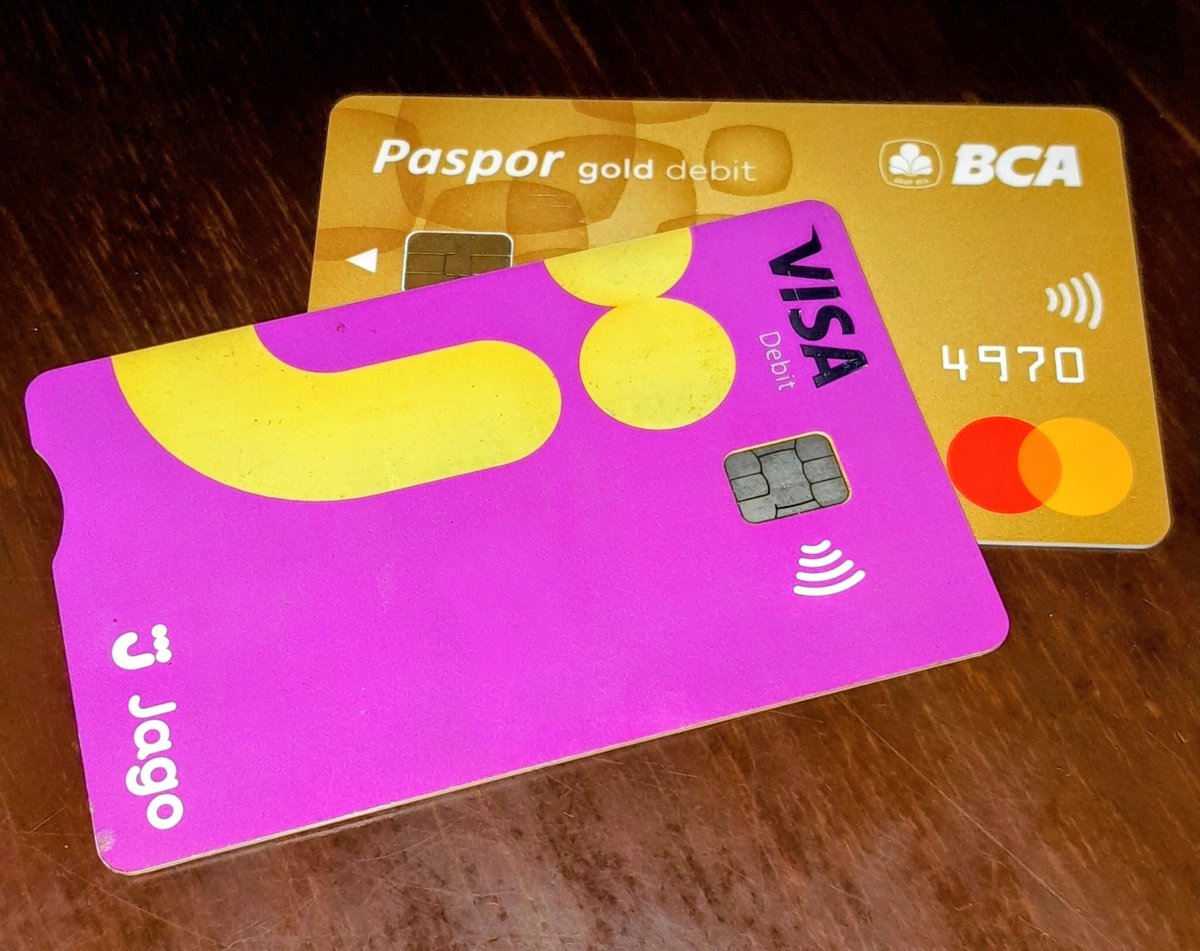
The second protection is the payment token. After you approve, the network issues a substitute card number, security code and expiry date, and that is what the agent and the merchant see. Your real details are never shared with either of them. Because the token is tied to that one transaction, it cannot simply be reused for another purchase.
The third protection is the one you already have. Your card’s existing rewards still apply, and your existing dispute protections still cover eligible problems, for example a defective item. You are still transacting directly with the business, which stays in control of pricing, fulfilment, returns and customer service. Behind the scenes, OpenAI is working with fraud-prevention firms Forter, Riskified, Sardine and Signifyd, and payment providers Adyen, Checkout.com and Stripe, to help their systems recognise legitimate agent purchases instead of flagging them as bot traffic.
The risks OpenAI itself is flagging
OpenAI is unusually open about what can go wrong. Some websites may block agents without meaning to. Many shops use bot protection that challenges automated visitors, and an agent arriving through a cloud browser can look exactly like the traffic those systems are built to stop. OpenAI asks businesses to configure their firewalls to recognise signed requests using Web Bot Auth, and it has published a Commerce Partner Playbook to help shops support agent customers.
Payment-risk systems can flag legitimate agent purchases. Even when a checkout accepts the Wallet token, the risk controls behind it can still reject the transaction, leading to failed, declined or cancelled purchases. OpenAI is working with the fraud-prevention and payment companies named above so their systems learn to recognise these transactions, and it is rolling out support for relaying user signals, such as IP address, country, locale and time zone, so merchants have more context. The agent can also get the shopping wrong, picking the wrong size, the wrong seller or a copycat store, which is why OpenAI tells users to check the merchant, items, total and card before approving, and to contact their card issuer promptly about any unrecognised charge.
ChatGPT Wallet in Pakistan: not available, no date announced
For readers in Pakistan, the position is plain: ChatGPT Wallet is not available here. OpenAI has not announced a launch date, a list of next countries, or which Pakistani cards or banks would qualify. The announcement says only that OpenAI will “expand availability” after learning from early use in the US. Anyone quoting a Pakistan launch date or a rupee price is guessing.
Every eligibility condition rules out a typical user in Pakistan today. You would need to live in the United States, hold an eligible US-issued American Express, Chase, Mastercard or Visa credit card, and have a US billing address for that card. A Pakistani-issued card, whether credit or debit, does not qualify, because it is not US-issued. Debit cards are not supported anywhere at launch, which matters in a market where debit cards dominate. Paying for ChatGPT Pro, at $100, $200 or $500 a month, does not unlock Wallet outside the US on its own, and a person living outside the US who happens to hold a US credit card still does not meet the “live in the United States” condition.
Do not try to work around the location and card checks. Wallet ties every purchase to a card, a billing address and a biometric approval, and a mismatch between those is exactly what bank risk systems look for.
For Pakistani shoppers, the honest answer is to watch and wait: there is nothing to sign up for and no waiting list to join. When OpenAI announces expansion, the key questions will be which local cards qualify and whether debit networks are included. Pakistani stores that sell internationally should still prepare now, with accurate product data, agent-friendly bot rules and clear order confirmations.

What happens next
The launch version is deliberately cautious: every purchase needs your review and a security check. Over time, OpenAI expects users to be able to delegate purchases entirely to their agent by setting spending limits, categories or time periods and pre-approving them with enhanced safeguards. That is not available today. The bigger picture is that shopping is becoming the next job for AI agents: ChatGPT already helps 1.2 billion weekly users research and compare products, and Wallet closes the loop by letting the agent pay. Anthropic is moving the same way, as our coverage of Anthropic’s Claude Duet AI agent launch, price and features explains.
What this means for Pakistan’s tech scene
Even without a local launch, Wallet matters for Pakistan. ChatGPT is already widely used here, and OpenAI says it is becoming a major product-discovery channel: the company says ChatGPT is now the second-largest search engine in some measures, as we covered in our report on ChatGPT becoming the second-largest search engine. When the agent that helps you choose a product can also pay for it, the line between searching and shopping disappears. Pakistani e-commerce stores should assume agent shoppers will reach them before Wallet officially launches here, so the stores that prepare now, with accurate product feeds, agent-friendly bot rules and clear confirmations, will take those orders. OpenAI has also started selling advertising inside ChatGPT, which we covered in our report on ChatGPT ads in Pakistan and OpenAI’s 26-country rollout. Wallet is the other half of the same shift: ChatGPT is becoming a place where money changes hands.
Frequently asked questions
What is ChatGPT Wallet?
A payment wallet inside ChatGPT, launched 13 November 2026. It lets your ChatGPT agent, a “dot”, pay for things on your behalf. You add a card once, review each purchase and approve it with Face ID, Touch ID or another biometric check. The network then issues a payment token, so the agent and the shop never see your real card number.
Is ChatGPT Wallet available in Pakistan?
No. It is rolling out gradually to ChatGPT Pro users in the United States only. OpenAI has not announced a launch date, a country list or a rupee price for Pakistan, and Pakistani-issued cards do not qualify because they are not US-issued.
Which cards work with ChatGPT Wallet?
Eligible US-issued American Express, Chase, Mastercard and Visa credit cards, with a US billing address. For Chase cards you must be the primary cardholder. Debit and virtual cards are not supported at launch. You must also be a ChatGPT Pro subscriber aged 18 or older and living in the US.
Does the AI agent see my card number?
No. Your real card number, security code and expiry date are never shared with the agent or the merchant. After you approve, the payment network issues a payment token, a substitute set of card details, and that is what completes checkout. The charge still lands on your real card.
Can the agent buy things without asking me?
Not at launch. Every purchase needs your review and a security check. OpenAI says users may one day delegate purchases by setting spending limits, categories or time periods and pre-approving them, with enhanced safeguards. That feature is not available today.
Is ChatGPT Wallet safe to use?
Three protections: a biometric approval for every purchase, payment tokens instead of your real card number, and your card’s normal dispute protections. The main remaining risk is the agent choosing the wrong item or seller, so check the approval screen carefully. Never type card details into the chat.
ChatGPT Wallet is a small launch with a large signal. A chatbot that can pay is a chatbot that can shop. For now, that future is limited to a small group of Pro subscribers in the United States, and Pakistani users can only watch. But the direction is set, the partners are the biggest names in payments, and the next announcement to watch for is the one that names the next countries. When OpenAI publishes that list, TimelyUps will cover it the same day.