Apple Outage: iCloud, App Store and Apple Music Down as Thousands Report Problems
Apple’s iCloud, App Store and Apple Music went down on Tuesday, 17 November 2026, leaving thousands of users unable to sign in, download apps or stream music. Apple confirmed the problems on its official System Status page, which listed iCloud Account & Sign In as slow or unavailable for all users, while the App Store,…
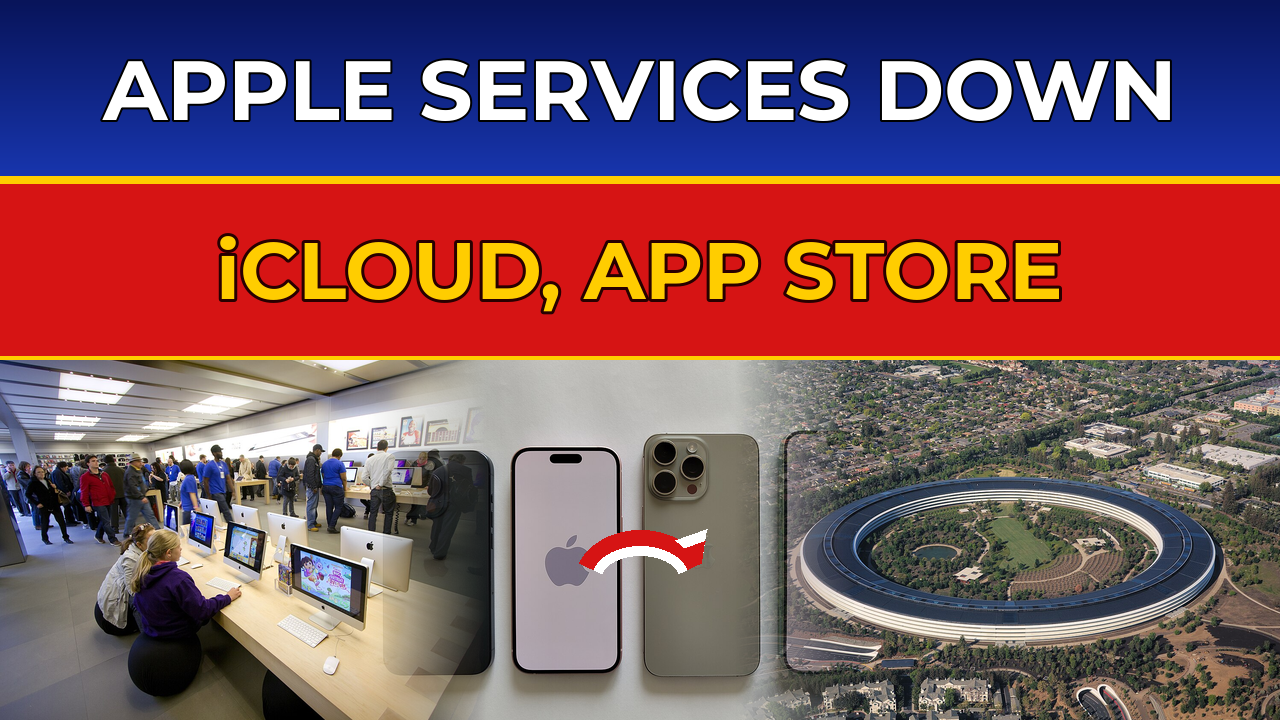
Apple’s iCloud, App Store and Apple Music went down on Tuesday, 17 November 2026, leaving thousands of users unable to sign in, download apps or stream music. Apple confirmed the problems on its official System Status page, which listed iCloud Account & Sign In as slow or unavailable for all users, while the App Store, Apple Music and AppleCare on Device were marked temporarily unavailable. The outage began at around 11:45am Eastern Time, and reports flooded in within minutes. Apple has not announced a cause or said when services will be fully restored, and there is no evidence that a cyberattack was involved.
For many iPhone, iPad and Mac users, the timing could hardly have been worse. iCloud sits at the centre of almost everything an Apple device does: it backs up photos, syncs messages and contacts, and verifies who you are when you sign in. When iCloud sign-in breaks, everyday things stop working with it, from downloading an app to paying with Apple Pay.

Apple outage at a glance
| Key fact | Detail |
|---|---|
| Date | Tuesday, 17 November 2026 |
| Outage began | Around 11:45am ET (9:45pm PKT); AppleCare on Device from around 11:15am ET |
| Services confirmed down | iCloud Account & Sign In, App Store, Apple Music, AppleCare on Device |
| Scale of reports | Downdetector reports spiked from around 11:30–11:40am ET and ran into the thousands by around 12:29pm ET |
| Cause | Not announced by Apple |
| Restoration time | Not announced by Apple |
| Cyberattack? | No evidence of a cyberattack |
Which Apple services went down?
Apple’s own System Status page is the most reliable place to check what is actually broken, and on Tuesday it was unusually busy. Four services were officially listed as having problems, while a longer list was reported by users but not confirmed by Apple. That distinction matters: a service can feel broken even while Apple has not flagged it.
| Service | Status on 17 November 2026 |
|---|---|
| iCloud Account & Sign In | Confirmed by Apple: may be slow or unavailable; all users affected |
| App Store | Confirmed by Apple: temporarily unavailable |
| Apple Music | Confirmed by Apple: temporarily unavailable |
| AppleCare on Device | Confirmed by Apple: temporarily unavailable |
| Apple Pay | User-reported; unconfirmed by Apple |
| Apple Support and Apple Card | User-reported; unconfirmed by Apple |
| Device activation and Sign in with Apple | User-reported; unconfirmed by Apple |
| Developer services (App Store Connect, Apple Music API, Podcasts Connect) | User-reported; unconfirmed by Apple |
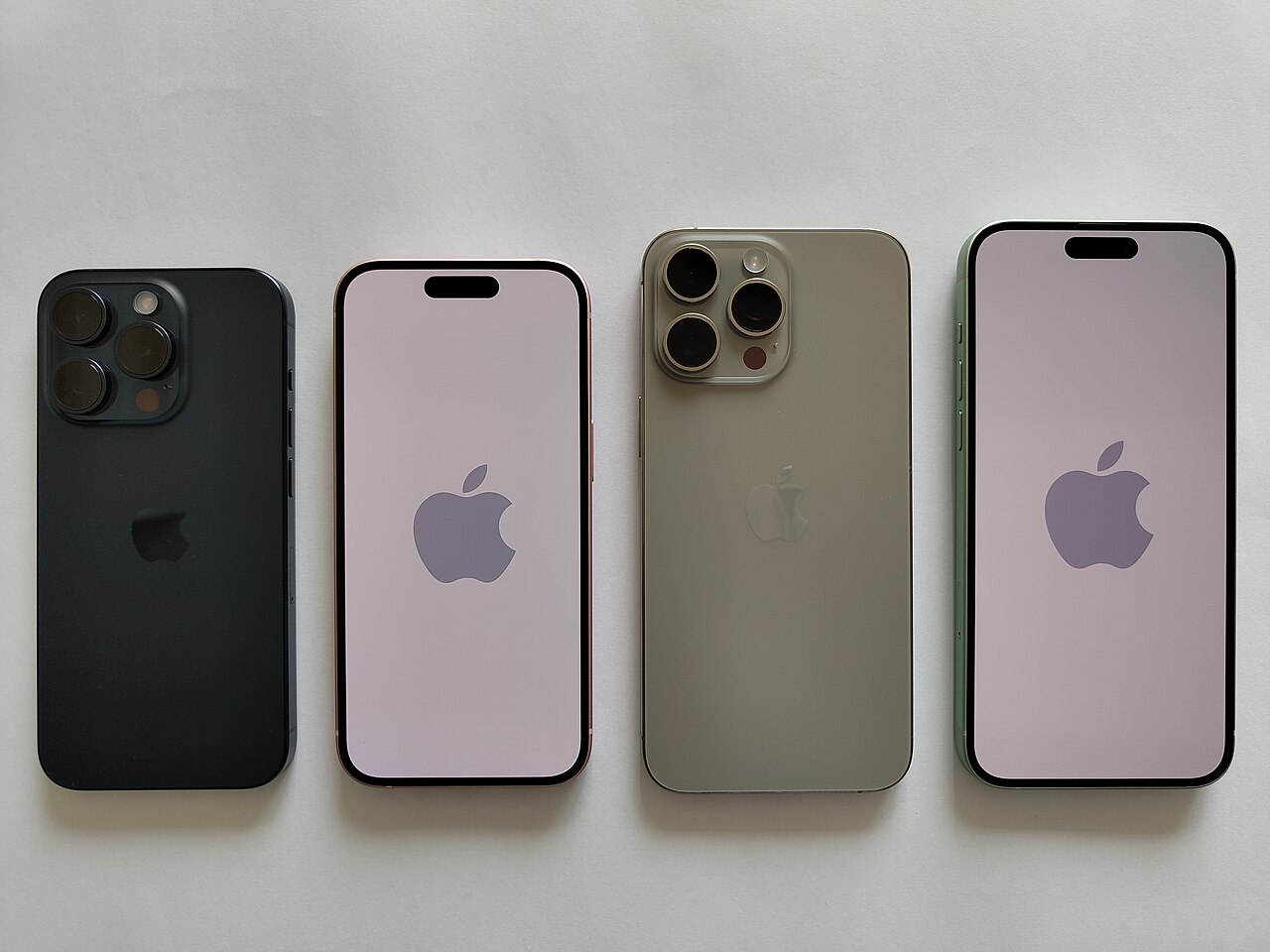
The pattern fits what usually happens in a big Apple outage. The confirmed problems were all in account and store services, and the user reports clustered around anything that needs an Apple ID. If you could not sign in to iCloud, then Apple Pay, the App Store, device activation and Sign in with Apple would all struggle too, because they lean on the same identity system.
When did the Apple outage start?
The first signs appeared late in the American morning. AppleCare on Device problems were logged from around 11:15am Eastern Time, and the wider outage followed at around 11:45am ET. Downdetector recorded a sharp spike from around 11:30 to 11:40am ET, and by around 12:29pm ET reports had climbed into the thousands. For readers in Pakistan, the outage began at around 9:45pm PKT on Tuesday night, when many people were streaming music, updating apps or backing up their phones before bed.
What users were seeing
The complaints fell into a few clear groups. The most common was iCloud sign-in: people were signed out, or could not sign in at all, and were told the service was slow or unavailable. Photos and files would not sync, two-factor checks failed, App Store downloads stalled, Apple Music songs would not load, and some people setting up a new iPhone found activation would not complete. Developers reported problems too, in App Store Connect, the Apple Music API and Podcasts Connect.
A rough week for American tech
The Apple outage came a day after a Chase Bank outage on 16 November left customers unable to use online banking, and on the same day the NSA’s classified network, known as NSA Net, also went down. According to officials, the wave of outages is not the result of cyberattacks, and there is no evidence linking the Apple problems to the Chase Bank or NSA incidents. The systems are separate, run by different organisations, with no indication of a common cause.
What Apple has said, and what it has not
Apple’s communication so far has been limited to its System Status page, which confirmed the four affected services and described iCloud Account & Sign In as possibly slow or unavailable for all users. It did not say what caused the problem or when normal service would return. Apple has not blamed a cyberattack, and no credible evidence of an attack has emerged. Anyone claiming hackers caused the outage is guessing.
What to do if your Apple services are not working
If your iPhone or Mac is still misbehaving, check Apple’s System Status page before changing anything on your device. If Apple lists a service as having problems, the fault is on its side, and no amount of restarting will fix it. Avoid repeatedly trying to sign in, as failed attempts can trigger extra security checks, and do not reset your Apple ID password in a panic: that will not fix a server-side outage.
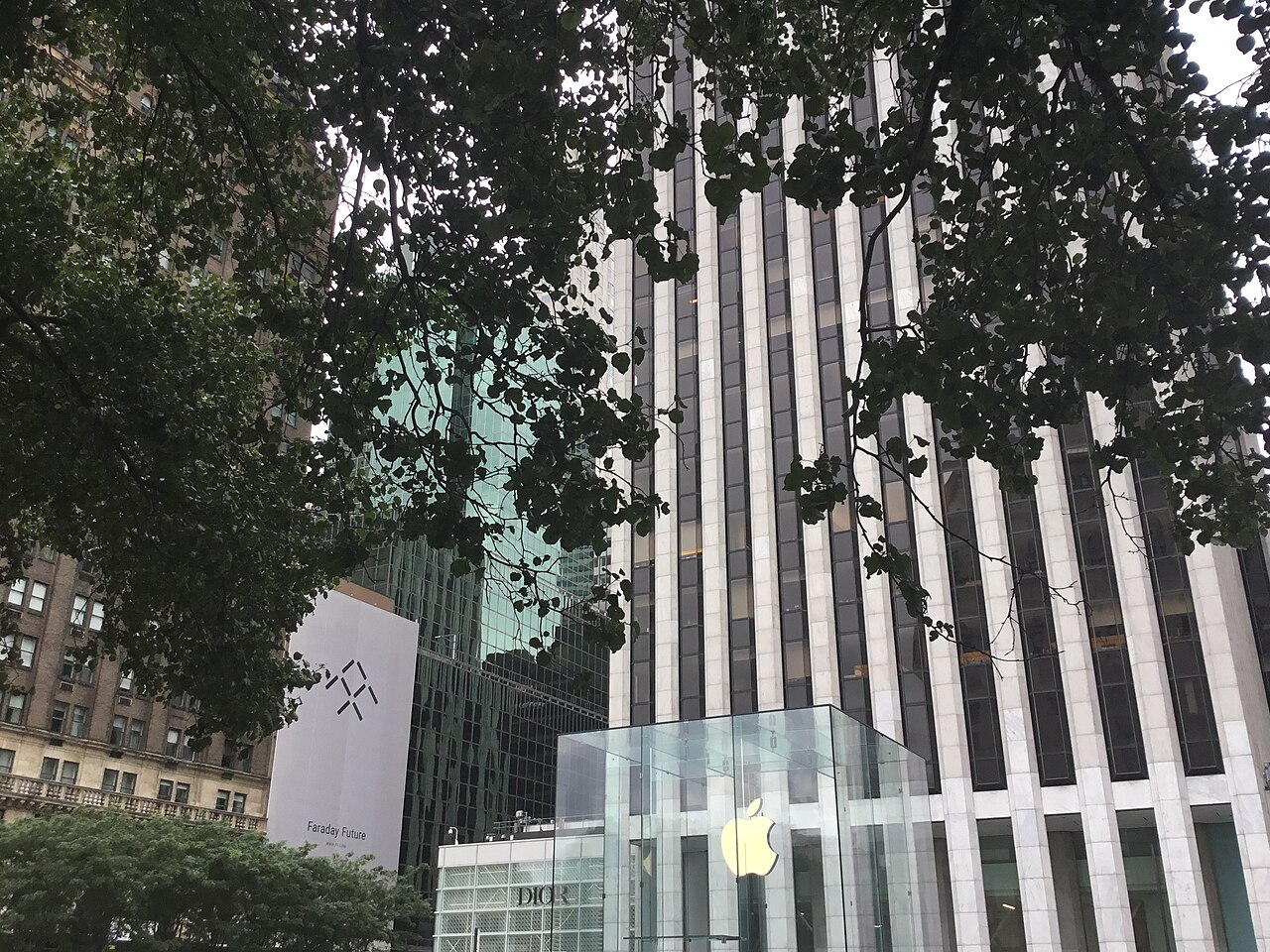
Your phone still works without iCloud. Calls, texts, the camera and apps already installed on your device do not need Apple’s servers. If you rely on your iPhone for messaging, you can also schedule WhatsApp messages for later so nothing important is missed while services recover. And if the outage has you thinking about alternatives, the OnePlus 16, recently launched with its Pakistan price and specifications, shows how competitive Android has become. Apple’s services will almost certainly come back, as they have after every previous outage. The question is how quickly.
Frequently asked questions
Is Apple down right now?
Yes. On Tuesday, 17 November 2026, Apple confirmed problems with iCloud Account & Sign In, the App Store, Apple Music and AppleCare on Device. iCloud sign-in was listed as slow or unavailable for all users.
Which Apple services were affected by the outage?
Apple officially confirmed four: iCloud Account & Sign In, the App Store, Apple Music and AppleCare on Device. Users also reported problems with Apple Pay, Apple Support, Apple Card, device activation and developer services, but Apple had not confirmed those.
When did the Apple outage start?
The wider outage began at around 11:45am Eastern Time on 17 November 2026, with AppleCare on Device issues from around 11:15am ET. Downdetector reports spiked from around 11:30 to 11:40am ET and reached the thousands by around 12:29pm ET.
Was the Apple outage caused by a cyberattack?
There is no evidence of a cyberattack. Apple has not announced a cause, and officials have said the recent wave of major US tech outages was not caused by cyberattacks.
When will Apple services be back to normal?
Apple has not announced a restoration time. Check Apple’s official System Status page, which is updated as each service recovers. Previous Apple outages have typically been fixed within hours, but that is not a guarantee.
What should I do if I cannot sign in to iCloud?
Check Apple’s System Status page to confirm the problem is on Apple’s side. Then wait and try again later, and do not reset your Apple ID password, as that will not fix a server-side outage.
By Fatima Raza | Technology | 17 November 2026