Urwa Hocane’s Netflix Comments: Why She Says Pakistani Dramas ‘Don’t Need Netflix’
Urwa Hocane’s Netflix Comments: Why She Thinks Pakistani Dramas Are “Doing Better Than That” By Hira Shahid, Entertainment Correspondent | Updated: October 21, 2026 Urwa Hocane has had enough of the “Netflix quality” compliment. Speaking in an interview on Gloss Etc by Maliha Rehman, the actor questioned why Pakistani projects are constantly measured against the…
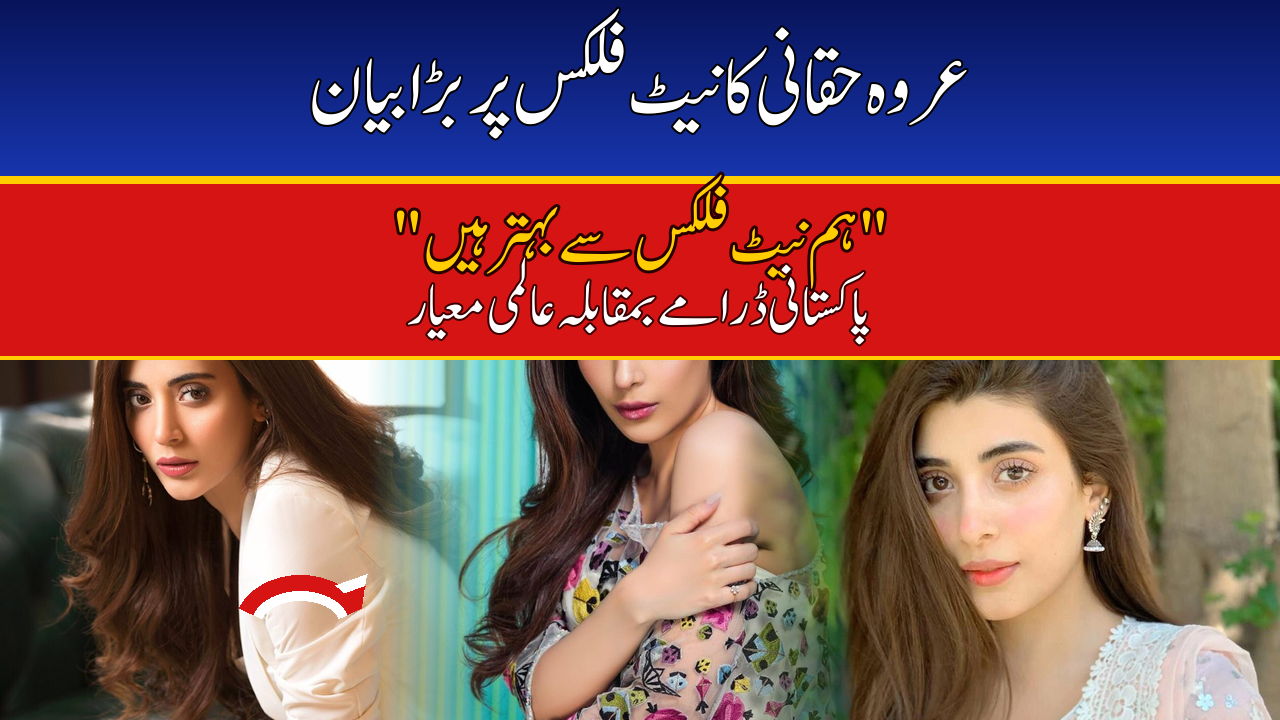
Urwa Hocane’s Netflix Comments: Why She Thinks Pakistani Dramas Are “Doing Better Than That”
Urwa Hocane has had enough of the “Netflix quality” compliment. Speaking in an interview on Gloss Etc by Maliha Rehman, the actor questioned why Pakistani projects are constantly measured against the global streaming platform, calling the popular label “lame” and insisting that local productions are, in her words, “doing better than that”. Her central point was simple: Pakistani dramas do not need Netflix’s validation, because their real strength lies in storytelling, not technical polish or glamour.
If you have watched Pakistani dramas with your family, you have probably heard someone say it too — “yeh drama toh Netflix quality ka hai,” said as the highest praise possible. Hocane’s argument flips that sentence on its head. She believes the comparison quietly insults an industry that already knows how to tell a powerful story.
What Exactly Did Urwa Hocane Say?
The interview touched a nerve because Hocane did not hold back. Here are her key statements, as reported by the Express Tribune:
“When someone says a project is ‘Netflix quality’, I find it so lame. I think we are doing better than that,” she said.
She went further, questioning whether Netflix even deserves to be treated as the gold standard anymore:
“It is just an app or a portal that came along and worked for a couple of years. I don’t think they know what they are doing anymore,” she said.
And she put the question directly to the industry:
“There is quality in what we are making and showing. Why do we need more Netflix, and why are we comparing ourselves to it anyway?” she said.
According to Dawn Images, which covered the same interview, Hocane also phrased it this way: “The stories that we’re telling and the quality that we’re showing, we don’t need no Netflix and why are we comparing ourselves to that anyway?”
“The Soul of Our Projects Lies in the Stories”
For Hocane, the defining strength of Pakistani productions is not how they look, but what they say. She argued that the local industry already has quality work to offer and should focus on building its own creative identity instead of copying an international template.
“The soul of our projects lies in the stories and in how we prioritise our work process. We are not all about the glamour,” Hocane said. “Later, we commercialise it and make it beautiful,” she added.
This is a point regular drama viewers will recognise instantly. Anyone who followed Mere Paas Tum Ho, Udaari or Tere Bin knows the hype was never about expensive sets — it was about characters people argued about at the dinner table. Hocane’s point lands because it matches how Pakistani audiences actually watch: story first, spectacle second.
As Dawn Images noted, she said the Pakistani drama industry does not prioritise “glam” over the story, which she believes is “the soul” of a project. In her words: “We’re really narrating stories and then we’re like let’s commercialise it. That’s a cherry on top.”
She also summed up her philosophy in one line: “I think the simple thing is our stories.”
Why Aap Ki Izzat Made Her Comments Hit Harder
The timing of these comments matters. Hocane has just received widespread praise for her role as Beena in Aap Ki Izzat, a performance that reminded viewers why she remains one of the most dependable names in Pakistani television. When an actor riding that kind of wave says “we are doing better than Netflix,” people listen differently than if the same words came during a quiet patch.
Citing Aap Ki Izzat as an example, Hocane said Pakistani dramas attract audiences without any pomp. That is a brave example to pick, because it puts her own work on the table as proof: if the storytelling is strong enough, you do not need a streaming giant’s logo to make it matter.
The Conversation She Stepped Into
Hocane’s comments did not appear out of nowhere. Dawn Images reports that her remarks are the latest addition to a discourse that has been simmering across the industry for a while, with celebrities such as Faysal Quraishi, Shamoon Abbasi, and Usama Khan all offering a wide range of opinions.
There is also a policy layer to this story. In July, Federal Minister for Planning and Development Ahsan Iqbal announced that the government was “in talks with Netflix and other global streaming giants to adjust the regional framework”. So while the state is negotiating with the platform, one of the country’s leading actors is asking whether the platform should be the benchmark at all. That tension is exactly why this story took off.
Who Is Urwa Hocane?
For readers catching up, Urwa Hocane began her career as a video jockey before establishing herself as an actor in Pakistani television and cinema. Her acting credits include Udaari, Mushk, Punjab Nahi Jaungi, Na Maloom Afraad and Rangreza.
She has also worked behind the camera. She produced Tich Button, a romantic comedy featuring Farhan Saeed, Iman Ali, Sonya Hussyn and Feroze Khan, which was released in 2022. She has appeared in several ARY Digital dramas as well, including Neeli Zinda Hai, Amanat and Pyar Ki Love Story.
Her interest in the creative process has surfaced in earlier interviews too, where she discussed the importance of scripts and her desire to contribute to storytelling both in front of and behind the camera. The Netflix remarks fit a pattern: this is an actor who thinks about the industry, not just her next role.
Why This Debate Matters for Pakistani Showbiz
Strip away the celebrity quotes and the debate is really about self-belief. Pakistani dramas already travel — they trend on YouTube, they get picked up by international audiences, and they spark the kind of daily conversation that most streaming shows can only dream of. The question Hocane is asking is whether the industry should keep framing that success as “almost as good as Netflix” instead of owning it outright.
There is a fair counter-argument, and honest reporting should name it: bigger budgets do buy better sound design, sharper editing and slicker finishing, and plenty of viewers enjoy those things. Hocane is not exactly denying that. Her point is about priorities — that storytelling should remain central to how projects are developed, with commercial appeal and visual presentation serving to complement the narrative rather than overshadow it.
Whether the industry takes her advice is another matter. But for one interview, at least, the conversation stopped being about what Pakistani dramas lack and started being about what they already have. And on that score, Urwa Hocane made her position very clear.
Frequently Asked Questions
What did Urwa Hocane say about Netflix?
In an interview on Gloss Etc by Maliha Rehman, Urwa Hocane said she finds the “Netflix quality” label “lame” and believes Pakistani productions are “doing better than that”. She questioned why local projects need to be compared with Netflix at all, arguing that Pakistani dramas should be recognised for their storytelling and creative identity.
Where did Urwa Hocane make these comments?
She made the remarks during an appearance on Gloss Etc, hosted by Maliha Rehman. The interview was widely reported on October 20, 2026, by the Express Tribune, Dawn Images and ARY News.
Why does Urwa Hocane think Pakistani dramas do not need Netflix?
She believes the strength of Pakistani productions lies in their stories and the creative process behind them, not in technical polish or glamour. In her words, “the soul of our projects lies in the stories” — and she cited her own drama Aap Ki Izzat as proof that Pakistani dramas attract audiences without any pomp.
Which other celebrities have joined this debate?
According to Dawn Images, the discussion has been simmering across the industry, with celebrities such as Faysal Quraishi, Shamoon Abbasi and Usama Khan all offering their own opinions on how Pakistani content should be judged.
Is the government really in talks with Netflix?
Yes. In July 2026, Federal Minister for Planning and Development Ahsan Iqbal announced that the government was “in talks with Netflix and other global streaming giants to adjust the regional framework”.