
SpaceX Starmind — FCC approves up to 1 million satellites as AI data centres in space
The US Federal Communications Commission (FCC) has approved SpaceX’s plan for 1 million satellites serving as AI data centres in orbit, in a decision announced on Wednesday 25 November 2026. It covers the Starmind constellation — but 1 million is an upper limit, not a promise that all of them will ever fly. A train…
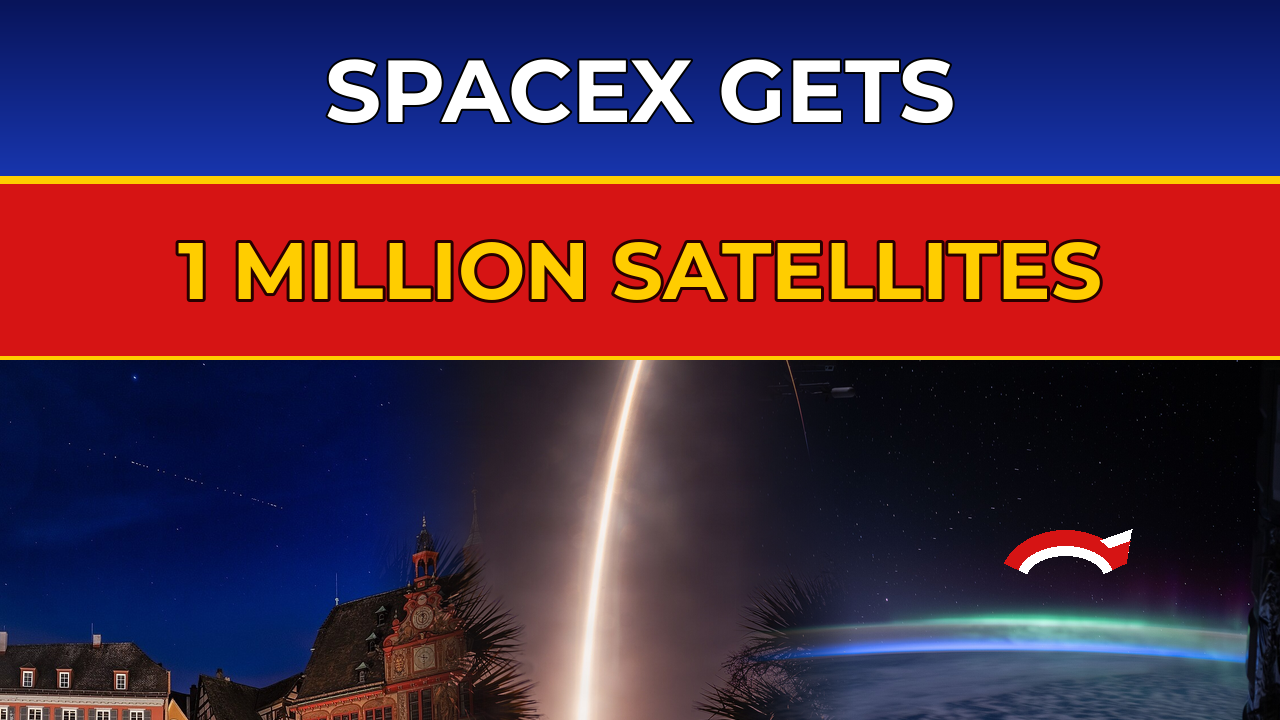
The US Federal Communications Commission (FCC) has approved SpaceX’s plan for 1 million satellites serving as AI data centres in orbit, in a decision announced on Wednesday 25 November 2026. It covers the Starmind constellation — but 1 million is an upper limit, not a promise that all of them will ever fly.

Key facts
| Fact | Detail |
|---|---|
| What was approved | Up to 1,000,000 Starmind satellites |
| Announced | Wednesday 25 November 2026 |
| Regulator | FCC, order DA 26-1273 |
| Application filed | 30 January 2026 |
| Hardware partner | Nvidia (AI1 payload co-designed) |
What is Starmind?
A data centre is a building full of computers that power AI tools. Starmind moves that idea into orbit: each satellite is a computer module with solar panels, doing AI work in space.
The attraction is sunlight and space: panels in orbit need no land or water cooling, and the satellites would link to each other by beams of light rather than radio. The FCC chair called it “the first authorization in U.S. history for a constellation of data centers in space”.
More SpaceX coverage and Elon Musk stories.
Why the SpaceX 1 million satellites approval is conditional
The approval is not a blank cheque. The FCC order is “granted-in-part / deferred-in-part”: the grant covers Ka-band radio spectrum for backup and emergency communications only; the satellites’ main links will be optical. Petitions to deny the plan, from Amazon’s Kuiper Systems, Viasat and the American Astronomical Society, were rejected.
One request was left undecided: SpaceX asked to move satellites above 600 km into graveyard orbits at the end of their lives, but the FCC said it had not provided enough information about disposal, so the waiver was deferred. Nothing may fly above 600 km until a final debris plan is filed. They would fly in shells between 500 and 1,002 km, launched by Starship.
The hardware: Starmind AI1
The first-generation satellite is the AI1: a 75-metre wingspan, 30 metres tall once deployed, with a 210 kW solar array and a 160-square-metre liquid radiator to shed heat. Inside is a space-optimised Nvidia Vera Rubin NVL72 system — 72 Rubin GPUs, 36 Vera CPUs — with up to 250 kW peak and 175 kW average compute power. The spacecraft are built at SpaceX’s Gigasat Factory in Bastrop, Texas.
When is the first launch?
Reported, not confirmed: Elon Musk said at a Baron Capital talk that he expects the first Starmind computers to launch in the third quarter of 2027, adding “I’m just guessing here”. Another Musk statement said the fourth quarter of 2027. The FCC only requires the first satellite by 2033.
Milestones the FCC has set
| Deadline | Milestone |
|---|---|
| 25 November 2033 | First Starmind satellite deployed |
| 25 November 2035 | 10% — 100,000 satellites |
| 25 November 2038 | 50% — 500,000 satellites |
| 25 November 2040 | Full 1,000,000 satellites |
Why scientists are sceptical
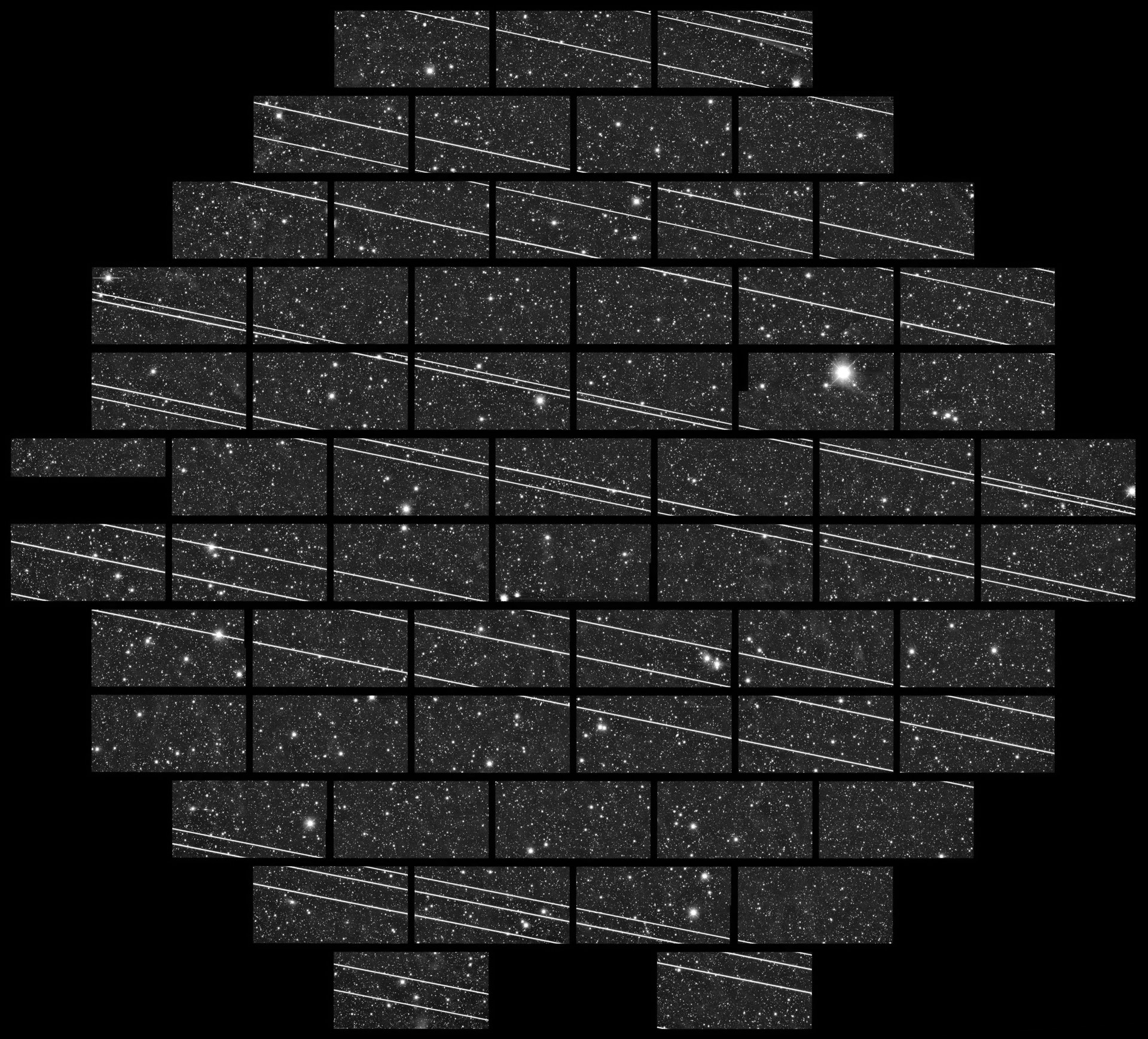
Astrophysicist Adam Becker called the plan “a fantasy”. He warned of cascading space-junk collisions and night-sky pollution visible to the naked eye. The American Astronomical Society said it was dismayed. Sceptics also question cooling: in a vacuum, no air or water carries heat away. Earthjustice says the decision was made without the environmental review required under NEPA; the FCC declined a comprehensive environmental assessment, saying the concerns fell outside its jurisdiction. Today there are roughly 15,000–17,000 active satellites in orbit, according to counts cited by CNN.
What it means for internet users
For ordinary internet users, nothing changes for now. Starmind is a computing project, not an internet service: it would run AI workloads in space, while home broadband and mobile data still come from ground networks.
Starmind also does not change Starlink’s position in Pakistan. Starlink is not licensed in Pakistan — it is registered with the Securities and Exchange Commission of Pakistan (SECP) only, and its Pakistan Telecommunication Authority (PTA) licence is still pending, according to a 7 November 2026 SECP report to a Senate committee.

More technology news.
Frequently asked questions
What is SpaceX Starmind?
A planned constellation of up to 1 million satellites working as AI data centres in orbit.
How many satellites will SpaceX actually launch?
The approval covers SpaceX 1 million satellites as an upper limit, not a commitment. Milestones: 1 satellite by 2033, 100,000 by 2035, 500,000 by 2038, the full 1 million by 2040.
When will the first Starmind satellite launch?
Reported, not confirmed: Musk expects Q3 2027 — “I’m just guessing here”. The FCC deadline is 25 November 2033.
Is Starmind the same as Starlink?
No. Starlink provides internet and has about 11,200 satellites in orbit. Starmind provides computing power — AI data centres in space — and is a separate constellation.
Is the FCC approval final and unconditional?
No. It was granted in part and deferred in part: radio spectrum for backup and emergency communications only, and the graveyard-orbit waiver was deferred. Nothing may fly above 600 km until a final debris plan is filed.
What is not yet known is whether Starship can launch these giant satellites at the scale required, whether orbital cooling and economics work in practice, and whether SpaceX will meet the FCC’s 2033 first milestone. We will update this article when SpaceX confirms a launch date. Checked on 27 November 2026.