Jaffar Express Derails in Rawalpindi: Power Van and Two Coaches Off the Track, No Casualties
By Daniyal Sheikh | Updated: 14 November 2026 The Jaffar Express derailed in Rawalpindi on Friday, 13 November 2026, when its power van and two coaches came off the track near Noor Railway Station, about one kilometre from Rawalpindi Railway Station. Nobody was killed or injured in the incident, the derailed coaches were detached from…
By Daniyal Sheikh | Updated: 14 November 2026
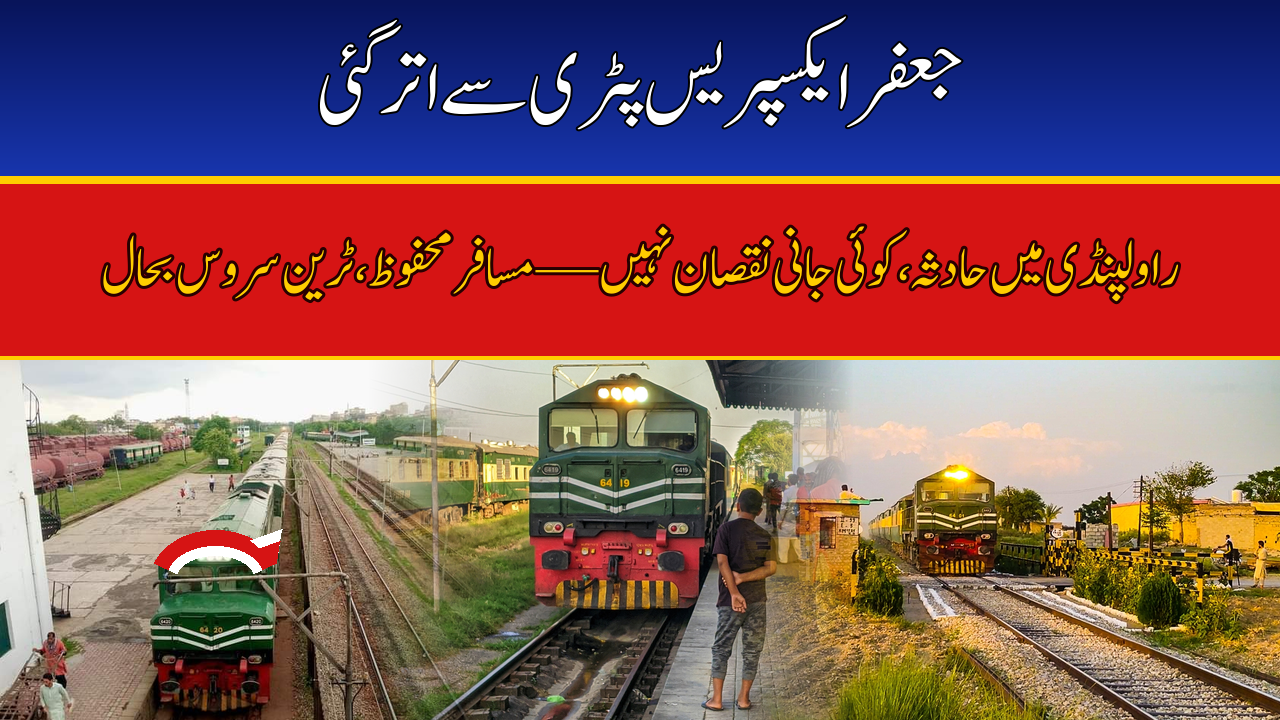
The Jaffar Express derailed in Rawalpindi on Friday, 13 November 2026, when its power van and two coaches came off the track near Noor Railway Station, about one kilometre from Rawalpindi Railway Station. Nobody was killed or injured in the incident, the derailed coaches were detached from the train, and rail traffic on the route resumed the same day after the obstruction was cleared. Pakistan Railways has started an inquiry into what caused the derailment.
The train, Jaffar Express (40 Down), was travelling from Peshawar to Quetta when the derailment happened. The power van, which was the last coach of the train, went off the track along with two coaches. Divisional Superintendent Railways Rawalpindi Noorud Din Dawar confirmed the details and said railway officers reached the spot and supervised the work to clear the track. The remaining coaches were sent on to Rawalpindi Railway Station, and passengers continued their journey without any reported injuries.
| Key fact | Detail |
|---|---|
| Train | Jaffar Express (40 Down) |
| Route | Peshawar to Quetta |
| Date of incident | Friday, 13 November 2026 (Friday morning) |
| Location | Near Noor Railway Station, Rawalpindi, about 1 km from Rawalpindi Railway Station |
| What derailed | Power van (last coach) and two coaches |
| Casualties | None — no deaths, no injuries reported |
| Rail traffic | Temporarily suspended, then resumed after the obstruction was cleared |
| Derailed coaches | Detached from the train; remaining coaches sent to Rawalpindi Railway Station |
| Cause | Under inquiry — not yet announced |
| Official quoted | Noorud Din Dawar, Divisional Superintendent Railways, Rawalpindi |
What happened near Noor Railway Station
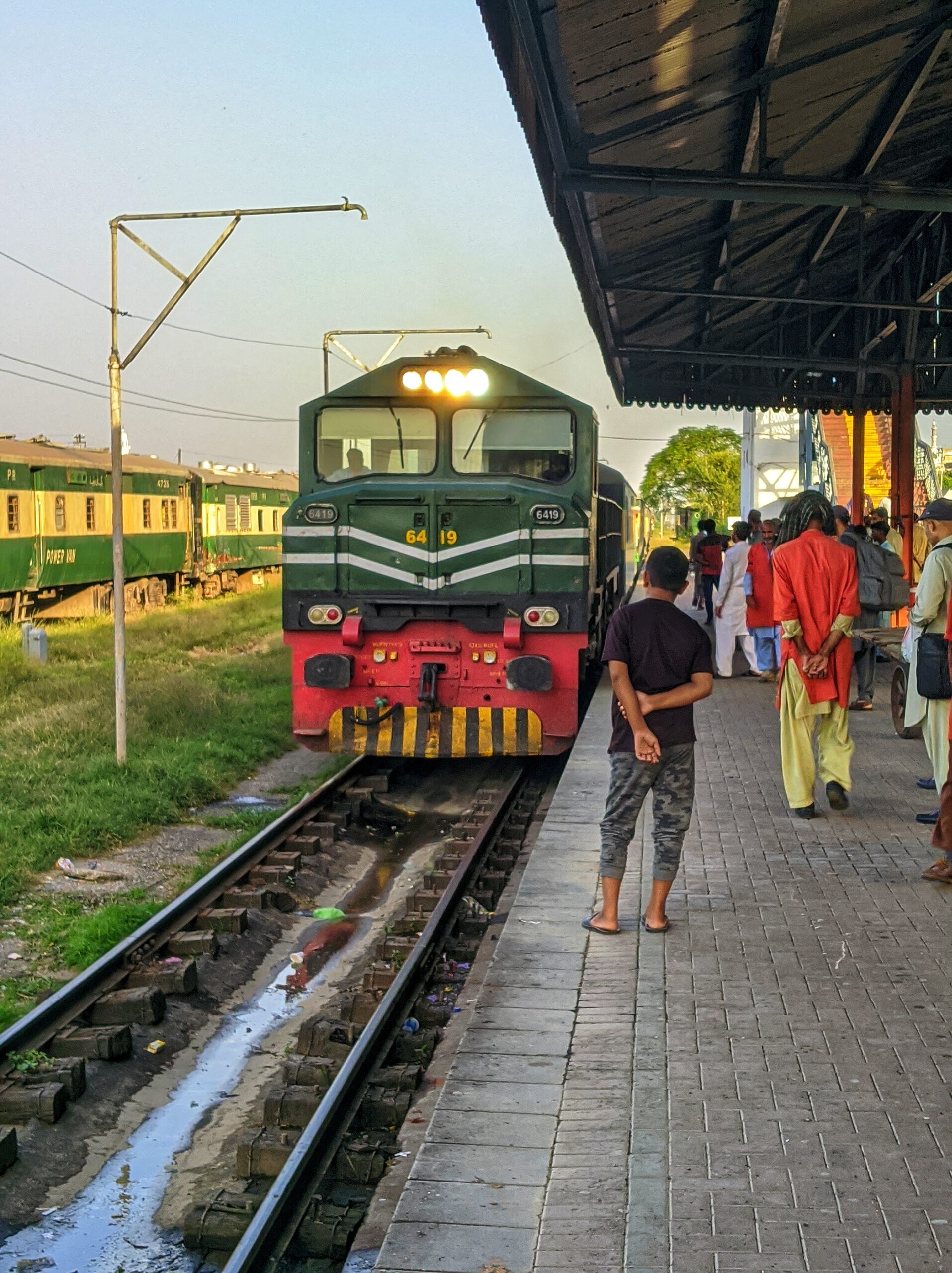
The derailment took place near Noor Railway Station, a small station on the approach to Rawalpindi, roughly a kilometre short of the city’s main station. The Jaffar Express was on its regular run from Peshawar to Quetta, one of the longest passenger routes in the country, crossing Punjab and heading south-west towards Balochistan.
According to Pakistan Railways officials, the power van at the rear of the train was the first to leave the track, followed by two coaches. A power van carries the generator set that supplies electricity for lighting, fans and air conditioning across the train, which is why it is normally coupled at one end of the rake.
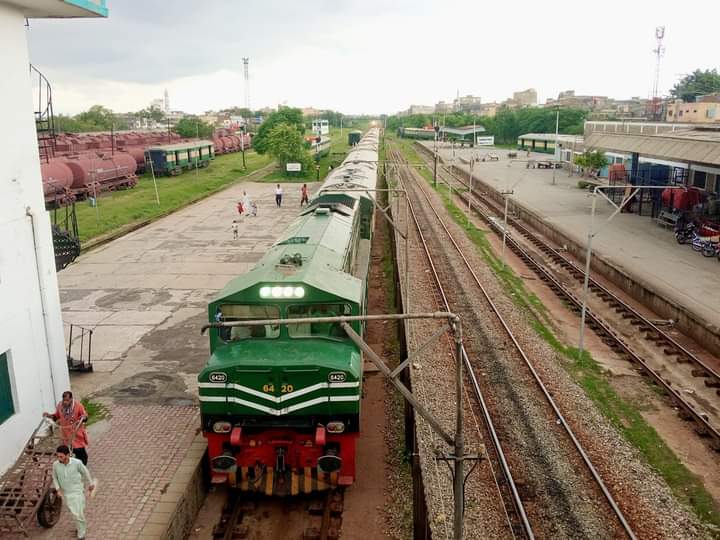
Railway staff at the site detached the derailed power van and the two affected coaches from the rest of the train. The remaining coaches were then moved forward to Rawalpindi Railway Station, where the onward journey could be arranged.
Divisional Superintendent Noorud Din Dawar and other railway officers reached the spot themselves and supervised the rescue and clearance operation. Their presence at the site matters, because decisions about whether a track is safe to reopen are taken by senior officers on the ground, not from an office miles away.
No casualties, no injuries
The most important fact about this incident is also the simplest one: nobody was hurt. Both Dawn and 24NewsHD reported that there were no casualties and no injuries among the passengers or railway staff. That is genuinely good news, because a derailment at any speed can turn serious very quickly.
Passengers on the Jaffar Express were shaken, as anyone would be when a train they are travelling on suddenly leaves the rails, but the reports confirm that no one needed hospital treatment. The derailment was confined to the rear of the train, and the coaches carrying most of the passengers stayed on the track.
Train service suspended, then restored
Rail traffic on the route was temporarily suspended as soon as the derailment was reported. That is standard practice after any derailment, however minor it looks. No train is allowed to pass a derailed coach until the track has been inspected, the obstruction removed and the line declared safe. Running trains past a derailment site before that check is done would put other passengers at risk.
The suspension did not last long. Railway officials said the obstruction was cleared shortly afterwards and train operations resumed.
Passengers planning to travel on the route later in the day would still have been wise to confirm their train’s status before setting out. Even after a line reopens, timetables can take time to settle, and a morning delay can push later departures back.
Inquiry under way into the cause
Pakistan Railways has started an inquiry into the derailment, with divisional officers tasked with investigating the matter and submitting a report. At the time of writing, no cause has been announced, and it would be wrong to guess at one.
Derailments can have many different causes, from track defects and faulty wheels to problems with the points that guide a train from one line to another. Railway inquiries look at all of them: the condition of the track at the exact spot, the maintenance records of the coaches involved, and statements from the driver and guard. That is painstaking work, and it is why the report takes time.
What matters for now is that the inquiry is under way and that the facts already confirmed are on the record: the location, the coaches involved, the absence of casualties, and the restoration of service.
To be clear about one point that has caused confusion in some early social media posts: this was a technical derailment, not an explosion and not an attack. There is no report of any blast or of any hostile act in connection with this incident, and the two sources that reported it describe a derailment only. Other incidents involving the Jaffar Express reported this week are separate events and should not be mixed up with what happened at Noor station.
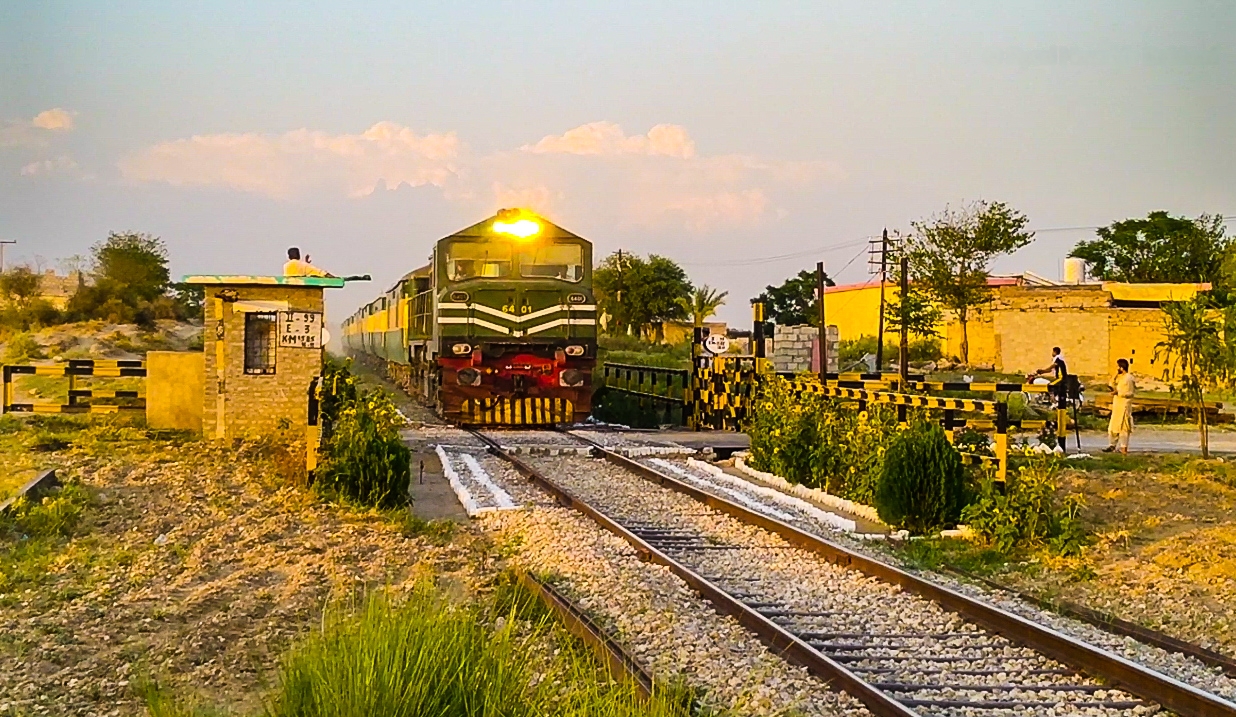
The Jaffar Express and the Peshawar–Quetta route
The Jaffar Express is one of Pakistan Railways’ best-known long-distance services, linking Peshawar in Khyber Pakhtunkhwa with Quetta in Balochistan. The 40 Down service involved in this incident was the Quetta-bound train, crossing the length of Punjab and passing through Rawalpindi on its way south-west.
For many of its passengers, the train is not a matter of choice but of necessity. It carries workers travelling for jobs, students returning home and families visiting relatives. When a service like this is disrupted, even briefly, the effect is felt far beyond the station where it happened, which is why a quick restoration of service matters so much.
Pakistan Railways has been in the news this year for changes to how its trains are run. The Awam Express has been handed to a private operator, a move the railways hopes will improve service quality on that route, and the Awam Express private-operator agreement is part of a wider push to bring private investment into passenger services. At the same time, regional services are being added and restored, including the Lahore–Faisalabad train service resuming on 15 November, and the railways has announced plans to run 14 freight trains from January 2027. Against that background, keeping the existing long-distance trains safe and running on time is the foundation everything else depends on.
What passengers should do now
If you were due to travel on the Jaffar Express or any train passing through Rawalpindi on Friday, the practical advice is straightforward. The line has reopened and services have resumed, so there is no ongoing closure to worry about, but confirm your train’s departure time before you travel, because a morning disruption can still leave later trains running behind schedule.
For regular passengers on this route, the incident is a reminder of something rail travellers already know: the railway is a vast, ageing network, and keeping it safe takes constant maintenance. A derailment with no injuries is the best possible outcome of a bad moment, but it is still a warning sign, and the inquiry now under way needs to find out what went wrong so it does not happen again.
TimelyUps will update this story if Pakistan Railways announces the findings of its inquiry or if any further details about the derailment are confirmed.
Frequently asked questions
Did anyone die or get injured in the Jaffar Express derailment?
No. Both Dawn and 24NewsHD reported that there were no casualties and no injuries. The power van and two coaches derailed near Noor Railway Station in Rawalpindi, but all passengers and railway staff were safe.
Where exactly did the Jaffar Express derail?
The derailment happened near Noor Railway Station in Rawalpindi, about one kilometre from Rawalpindi Railway Station. The train was the Jaffar Express (40 Down), travelling from Peshawar to Quetta, on Friday, 13 November 2026.
Which coaches of the Jaffar Express derailed?
The power van, which was the last coach of the train, derailed along with two coaches. The derailed coaches were detached from the train, and the remaining coaches were sent on to Rawalpindi Railway Station.
Is the train service running again after the derailment?
Yes. Rail traffic was temporarily suspended after the derailment, but railway officials said the obstruction was cleared shortly afterwards and train operations resumed the same day.
What caused the Jaffar Express to derail in Rawalpindi?
The cause has not been announced yet. Pakistan Railways has started an inquiry, with divisional officers tasked with investigating the incident and submitting a report. No cause should be assumed until that inquiry reports.
Was this the same incident as the other Jaffar Express incidents reported this week?
No. This was a separate, technical derailment near Noor Railway Station in Rawalpindi. There was no explosion and no attack involved in this incident. Other incidents involving the Jaffar Express reported this week are different events and should not be confused with this one.