CM Solar Panel Scheme Phase 2: Punjab Raises Target to 100,000 Beneficiaries
Punjab Chief Minister Maryam Nawaz has approved Phase II of the CM Solar Panel Scheme and raised its target from 90,000 to 100,000 beneficiaries. The decision was taken at a special energy meeting in Lahore on Thursday, 19 November 2026. The second phase builds on a first phase that drew more than 350,000 applications and…
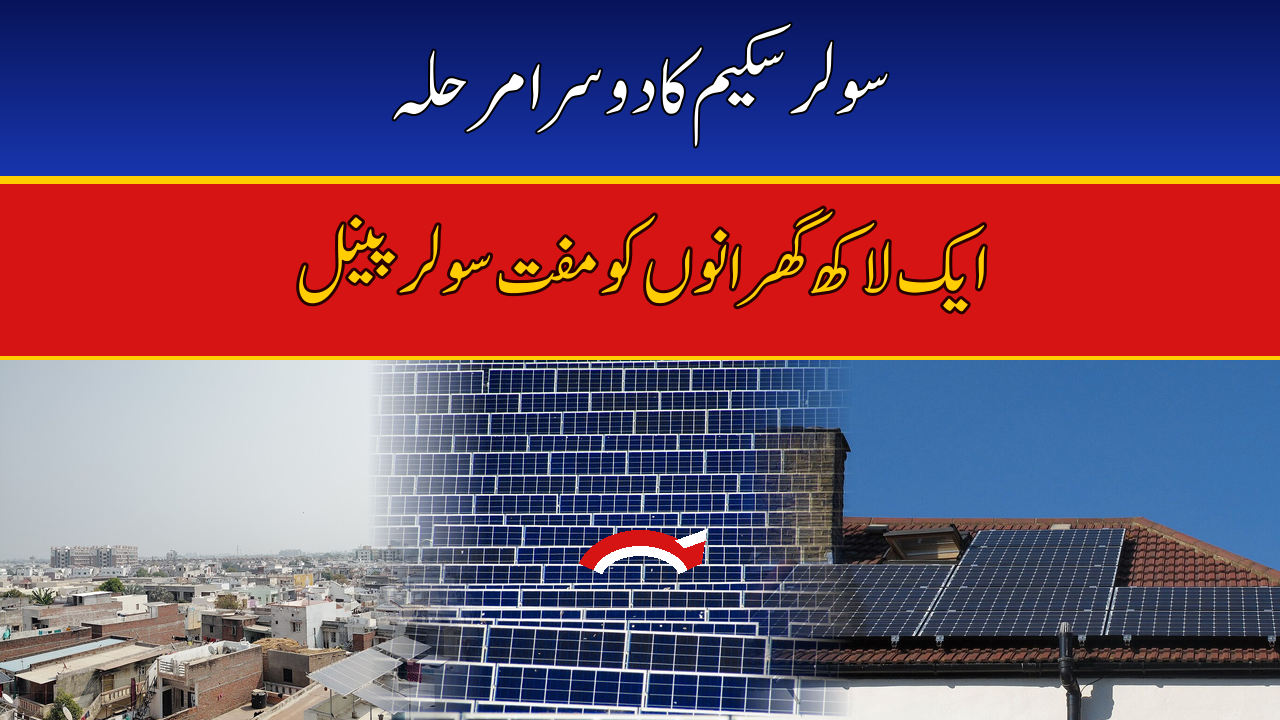
Punjab Chief Minister Maryam Nawaz has approved Phase II of the CM Solar Panel Scheme and raised its target from 90,000 to 100,000 beneficiaries. The decision was taken at a special energy meeting in Lahore on Thursday, 19 November 2026.
The second phase builds on a first phase that drew more than 350,000 applications and delivered solar panels to 89,869 households, who saved about one-third on their electricity bills. The chief minister also approved new solar projects for Cholistan, energy audits of major hospitals, and a pilot to generate power from waste.
What was approved on 19 November
Chairing a meeting to review bioenergy and biofuel projects, Maryam Nawaz approved the second phase of the scheme and directed officials to increase the beneficiary target to 100,000. Provincial Minister Faisal Khokhar and the energy secretary briefed the meeting on the first phase and on the new proposals.
The meeting also gave in-principle approval to a pilot project to install 5,000 solar panels in Cholistan and to shift water supply schemes at 40 sites in the region to solar energy. Energy audits were ordered for all major hospitals, with electrical panels to be installed according to each hospital’s energy needs. A pilot to generate energy from 3,000 tonnes of waste was also approved in principle, with officials asked to prepare a waste-to-energy and biofuel plan with the Suthra Punjab programme.
| Decision | Detail |
|---|---|
| Phase II target | 100,000 beneficiaries, up from 90,000 |
| Cholistan solar pilot | 5,000 solar panels |
| Cholistan water supply | 40 sites to be shifted to solar energy |
| Hospital energy audits | All major hospitals in Punjab |
| Waste-to-energy pilot | Energy from 3,000 tonnes of waste |
| Meeting date | Thursday, 19 November 2026 |
Phase I: what happened so far
Phase I was the reason the second phase was approved. According to the briefing given at the meeting, the first phase attracted more than 350,000 applications. Solar systems reached 89,869 households, and those families saved about one-third on their electricity bills. An Energy Department survey found beneficiaries reporting substantial relief, with some saying their bills had nearly halved.
Seventy-six schools across Punjab have also been shifted to solar energy on a pilot basis. Demand far exceeded the systems available, which is why the Phase II target has been raised by 10,000.
| Item | Phase I | Phase II |
|---|---|---|
| Target | 90,000 beneficiaries | 100,000 beneficiaries |
| Applications | More than 350,000 | Not announced yet |
| Systems delivered | 89,869 | Not announced yet |
| Bill saving | About one-third | Not announced yet |
| Registration | Portal and SMS 8800 (see below) | Not announced yet |
Cholistan, hospitals and waste-to-energy
The meeting went beyond household solar panels. The Cholistan pilot of 5,000 panels and the solarisation of 40 water supply schemes target one of Punjab’s driest regions, where grid power is unreliable and water pumping depends on expensive fuel. Shifting those schemes to solar would cut running costs for communities that need water most.
Hospital energy audits are a separate strand: major hospitals will have their energy use measured so panels can be sized to each hospital’s actual needs. The waste-to-energy pilot, using 3,000 tonnes of waste, sits alongside a proposed biorefinery in Nankana that would use rice husk and other crop residue, and plans for commercial-scale biogas plants, private dairy farms and community biogas projects.
Officials told the meeting that Punjab has the potential to produce 7.15 billion cubic metres of biogas a year from about 490,000 tonnes of animal waste, and that around 1.6 billion units of electricity could be generated from animal, agricultural and solid waste combined. Those are potential figures from the briefing, not targets that have been approved.
Pakistan angle
This matters beyond Punjab because household solar is now one of the biggest forces reshaping Pakistan’s power sector. Rooftop solar has already cut demand on the national grid and changed how distribution companies plan for the future, as our reporting on Pakistan’s solar boom and NEPRA’s renewable plan to 2035 explains. A government scheme putting free systems on 100,000 more roofs adds to that shift, for the households least able to buy panels themselves.
There is also a bill-relief angle. Pakistan’s LNG import bill has fallen as solar spreads, and households are increasingly pairing panels with batteries, as covered in our report on Pakistan’s battery boom. For a family using up to 200 units a month, a free solar system can cut the monthly bill by about a third, which is what Phase I beneficiaries reported. Anyone weighing a private system can use our solar cost calculator for Pakistan to compare the numbers.
What is not announced yet
Here is the important part for anyone hoping to apply: Phase II registration details have not been announced yet. No new registration window, eligibility rule, deadline or apply link was announced at the 19 November meeting, and no official Phase II portal has been published. Do not trust WhatsApp messages, Facebook posts or random websites claiming a new last date or asking for your details or a fee.
For reference only, Phase I registration ran through the official Punjab government portal and by SMS to 8800, using the bill reference number and CNIC. It is not confirmed that Phase II will use the same channels. We will update this article as soon as the Punjab government announces how Phase II registration will work.
Confirmed vs reported
Confirmed: Phase II approved on 19 November 2026; target raised from 90,000 to 100,000; Phase I figures (350,000+ applications, 89,869 systems, about one-third bill saving); 5,000-panel Cholistan pilot; 40 water supply schemes; hospital energy audits; 3,000-tonne waste-to-energy pilot; 76 schools on solar. Each of these is reported by at least two of Dunya News, Pakistan Today, The News and TechJuice.
Reported, not yet confirmed as a target: the biogas potential figures (7.15 billion cubic metres, 1.6 billion units) are briefing estimates of what Punjab could produce, not approved goals.
Not yet known: when Phase II registration opens, who exactly will be eligible, what system sizes will be offered, and when installations will begin. We will update this page when the Punjab government publishes those details. Checked on 20 November 2026.
Frequently asked questions
What is the CM Solar Panel Scheme Phase II target?
The target is 100,000 beneficiaries, raised from 90,000. Punjab Chief Minister Maryam Nawaz approved the increase on 19 November 2026.
How do I apply for Phase II of the solar panel scheme?
Registration details for Phase II have not been announced yet. No apply link, portal or deadline has been published. This article will be updated when the Punjab government announces the process.
How did Phase I registration work?
Phase I registration ran through the official Punjab government portal and by SMS to 8800, using the electricity bill reference number and CNIC. That was the Phase I process; Phase II arrangements have not been confirmed.
How much did Phase I beneficiaries save on electricity bills?
About one-third, according to the briefing at the 19 November meeting. An Energy Department survey found some beneficiaries reporting even larger falls, but the confirmed figure is one-third.
What else was approved at the meeting?
A pilot of 5,000 solar panels for Cholistan, solarisation of 40 water supply schemes there, energy audits of major hospitals, and a pilot to generate energy from 3,000 tonnes of waste.