Argentina Lose 2-1 to Uruguay in First Match Since Messi’s Retirement
By Imran Javed | 14 November 2026 Uruguay beat Argentina 2-1 in an international friendly at La Bombonera in Buenos Aires on Friday, 13 November 2026, in Argentina’s first match since Lionel Messi retired from international football. An own goal from Leonardo Balerdi in the 48th minute and a Maximiliano Araujo strike in the 53rd…
By Imran Javed | 14 November 2026
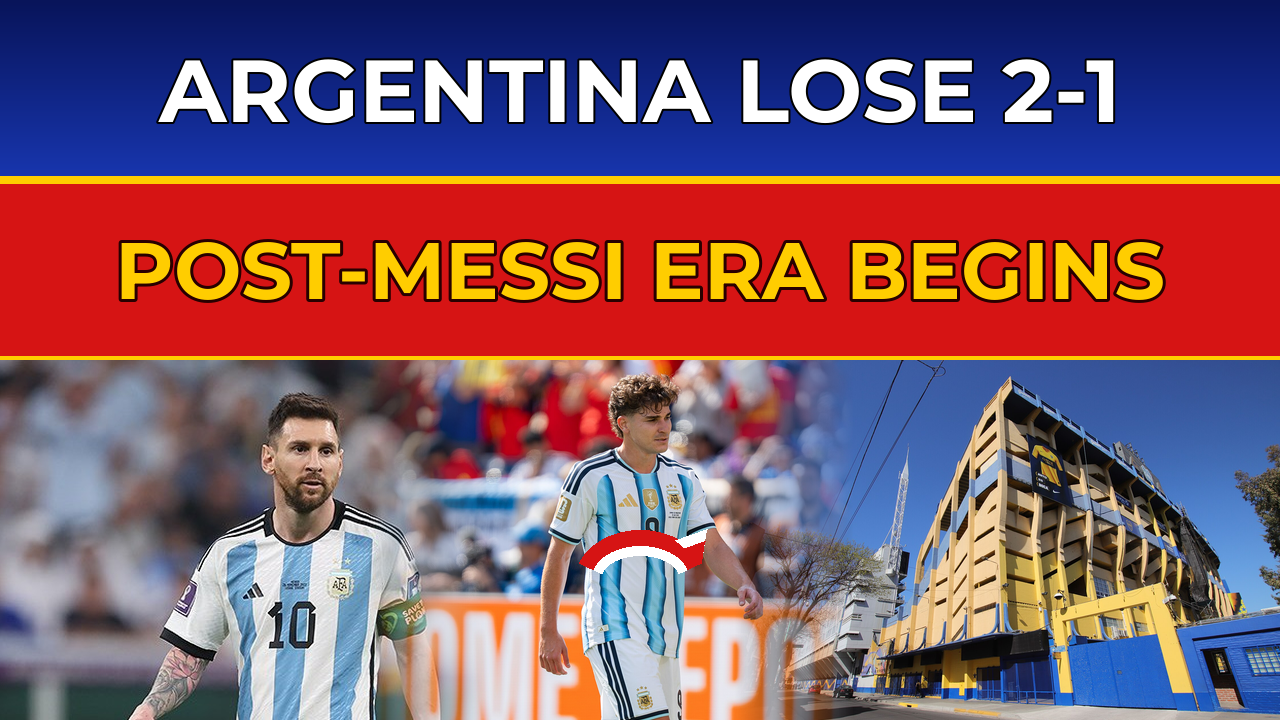
Uruguay beat Argentina 2-1 in an international friendly at La Bombonera in Buenos Aires on Friday, 13 November 2026, in Argentina’s first match since Lionel Messi retired from international football. An own goal from Leonardo Balerdi in the 48th minute and a Maximiliano Araujo strike in the 53rd minute gave Diego Forlan’s Uruguay a two-goal lead, and although Julian Alvarez pulled one back for the hosts in the 73rd minute, the 2026 World Cup runners-up could not find an equaliser.
It was a sobering start to life after Messi. For more than two decades, Argentina’s biggest nights have been built around one man. On Friday night, for the first time in the post-Messi era, the Albiceleste had to find a way without him, and Uruguay, organised, brave and ruthless from set pieces, showed them how much work lies ahead before the road to the 2030 World Cup begins.
| Match detail | Fact |
|---|---|
| Fixture | Argentina 1-2 Uruguay |
| Competition | International friendly, November FIFA window |
| Date | Friday, 13 November 2026 |
| Venue | Estadio Alberto J. Armando (La Bombonera), Buenos Aires |
| Goals | Balerdi (own goal) 48′, Araujo 53′; Alvarez 73′ |
| Argentina coach | Lionel Scaloni |
| Uruguay coach | Diego Forlan |
| Uruguay captain | Rodrigo Bentancur (80th cap, played the full 90 minutes) |
| Significance | Argentina’s first match since Lionel Messi’s international retirement in early October 2026 |
| Next fixtures | Argentina vs Costa Rica, Cordoba, Tuesday 17 November; Uruguay vs Dominican Republic, at home, Tuesday 17 November |
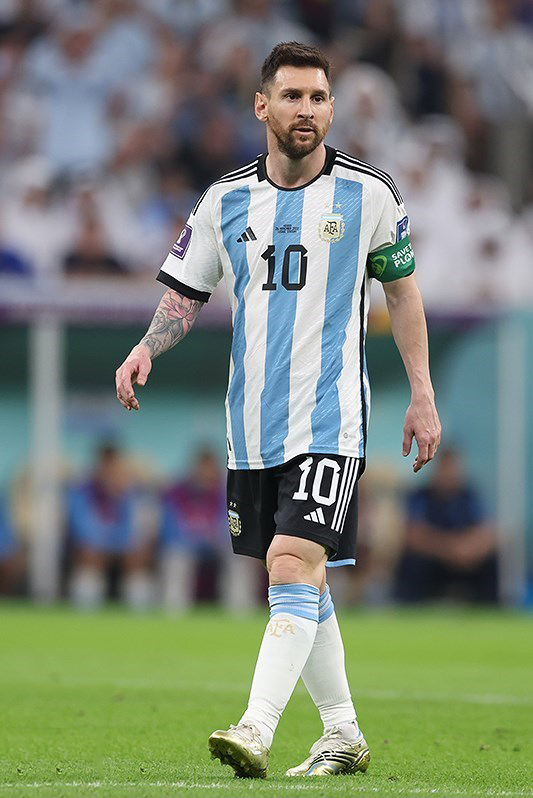
How Uruguay won it: five minutes that changed the night
The first half at La Bombonera passed without a goal, but the game turned within five minutes of the restart. Uruguay’s breakthrough came from a set piece, and the second followed almost immediately from another one.
The opener arrived in the 48th minute, three minutes after half-time. Giorgian de Arrascaeta sent a free kick into the Argentina box from the left, and the delivery caused chaos. Lisandro Martinez rose to head the ball clear, but his header struck team-mate Leonardo Balerdi and ricocheted into Argentina’s own net. Uruguay had earned their luck: the free kick was dangerous, the pressure was real, and Argentina’s defending was anything but calm.
Five minutes later, it was 2-0, and this time de Arrascaeta was the provider again. His corner struck Maximiliano Araujo at the near post and looped high into the net, leaving the Argentina goalkeeper with no chance. Some descriptions of the goal called it a header; the match reports carried by the Associated Press described the corner striking Araujo’s shoulder before it dropped in. Either way, the visitors were two goals up at La Bombonera, and the home side were staring at a defeat in their first game of a new era.
Argentina’s response, when it finally came, was led by the man most expected to carry the attack in Messi’s absence. Julian Alvarez, the Atletico Madrid striker, pulled a goal back in the 73rd minute. The move started with a cross-field pass from Enzo Fernandez, which Gianluca Prestianni brought down with a fine first touch before bursting into the box and squaring for Alvarez, who finished inside the far post. It was a goal of real quality, and for the last 17 minutes plus stoppage time, Argentina believed again.
The equaliser never came. Alvarez had another good chance in stoppage time, but he could not convert it, and Uruguay held on. The final whistle confirmed a famous result for the visitors and a painful lesson for the hosts: in international football, there is no gentle way into a new era.
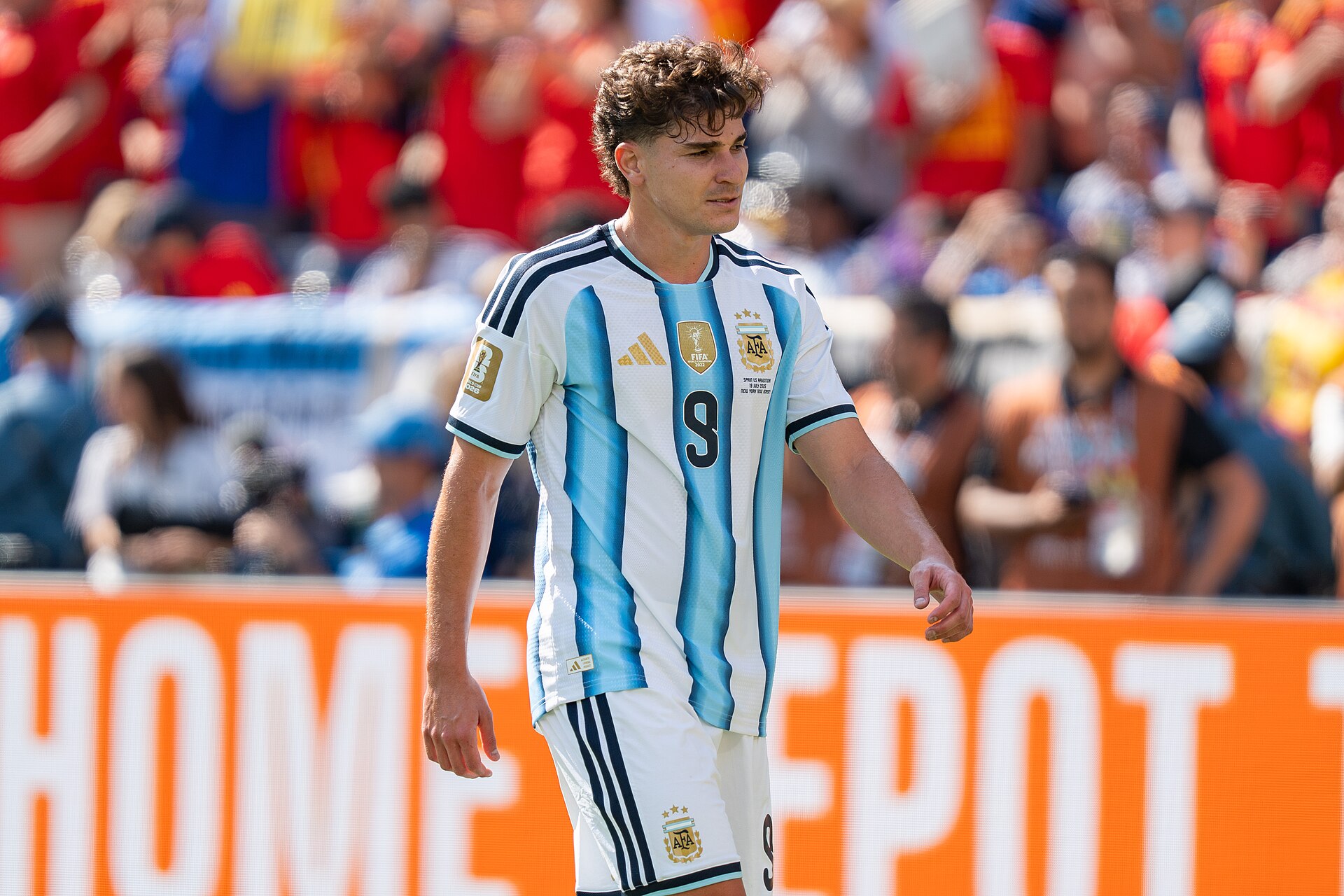
The post-Messi era begins with a defeat
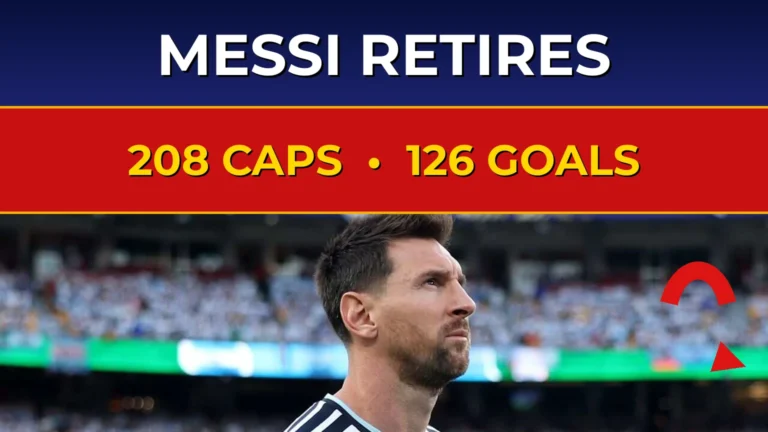
Messi announced his retirement from international football on 31 August 2026, a little over two months after Argentina’s 1-0 defeat to Spain in the 2026 World Cup final in New Jersey. His farewell came on 6 October at the Estadio Monumental in Buenos Aires, where he played his 208th and final match for Argentina in a 3-0 friendly win over Benin, scoring from the penalty spot in the 71st minute and setting up two goals in an emotional night billed as “The Last Tango”. He finished his international career with 126 goals, both the appearance and goals records for his country.
That is the scale of what Argentina are trying to replace. Messi was not just the captain and the record scorer; he was the player the whole team was built around. Head coach Lionel Scaloni named a 28-player squad for these November friendlies, the first Argentina roster of the post-Messi era, and the two games in this window, against Uruguay and then Costa Rica, were designed to start answering the hardest question in Argentine football: what does this team look like now?
Friday’s answer was honest rather than encouraging. Argentina had plenty of the ball and plenty of pressure in the second half, but they looked like a team still learning how to hurt opponents without the player who used to do it for them. The goals they conceded were both avoidable, both from set pieces, and both within five minutes of each other. The goal they scored was excellent, but it was their only one, and one goal is rarely enough when you give away two.
None of this means the post-Messi era is doomed. It is one friendly, in November, at the start of a new World Cup cycle, and friendlies exist precisely so that coaches can learn these lessons cheaply. But it does mean the transition will be harder than the farewell night suggested. The 3-0 win over Benin was a celebration; the 2-1 defeat to Uruguay was a football match.
Forlan’s Uruguay keep building
For Uruguay, the night was a triumph, and it was the third win of Diego Forlan’s time in charge. The former striker has made a fast start as national coach, and beating Argentina at La Bombonera, in Argentina’s first game without Messi, is the kind of result that builds belief in a new regime.
Uruguay’s plan was clear and it was executed well. They stayed organised in the first half, frustrated Argentina, and then struck twice from the set pieces that de Arrascaeta kept delivering with such menace. The midfielder was the architect of both goals, and his delivery, first the free kick and then the corner, did the damage that open play could not. When Argentina pushed for the equaliser, Uruguay defended their lead with discipline and saw the game out.
Rodrigo Bentancur captained the side on a landmark night for the Tottenham Hotspur midfielder, winning his 80th cap for Uruguay and playing the full 90 minutes at La Bombonera. Leading your country to a win over Argentina, in Buenos Aires, on your 80th appearance, is the kind of memory a player keeps for the rest of his life.
Uruguay now return home to host the Dominican Republic on Tuesday, 17 November, the same night Argentina play Costa Rica.
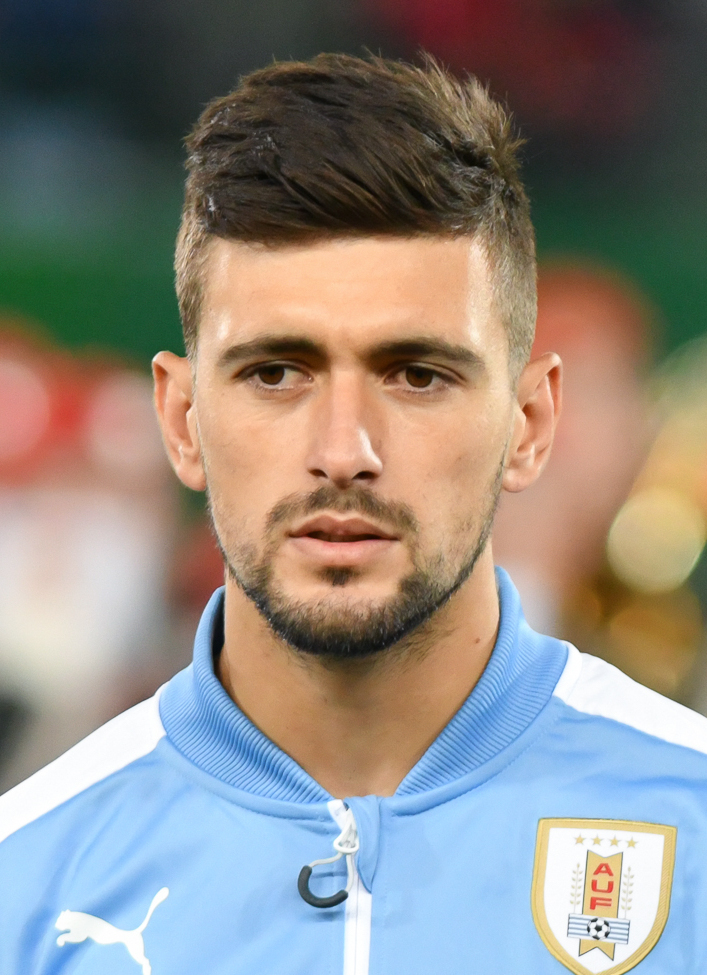
What the goals tell us about Argentina’s problems
Look closely at the two goals Argentina conceded and a pattern emerges. Both came from de Arrascaeta set pieces. Both came within five minutes of the restart. Both were, in their different ways, avoidable: a clearance that went wrong, and a near-post corner that was not dealt with. Set-piece defending is coachable, and it is fixable, but it is also the kind of weakness that better opponents punish again and again if it is not fixed.
There were positives for Scaloni to take. Alvarez’s goal was a reminder that Argentina still have a world-class striker leading the line, and the move that created it, Fernandez’s cross-field pass, Prestianni’s touch and run, Alvarez’s finish, was the best football Argentina played all night. Argentina also kept pushing until the end, and Alvarez’s late chance means the game was alive until the final whistle.
But the negatives are the ones that will dominate the next few days. Argentina conceded two goals from set pieces in five minutes. They lost at home. They lost their first game without Messi. And they lost to a Uruguay side that was there to be beaten if Argentina had defended their box properly. Scaloni, who has won a World Cup and two Copa Americas with this group, knows better than anyone that one friendly does not define a team. He also knows that the questions after this defeat will be louder than the ones after the farewell win over Benin, because this is the first real evidence of what Argentina look like now.
La Bombonera: a famous stage for a new chapter
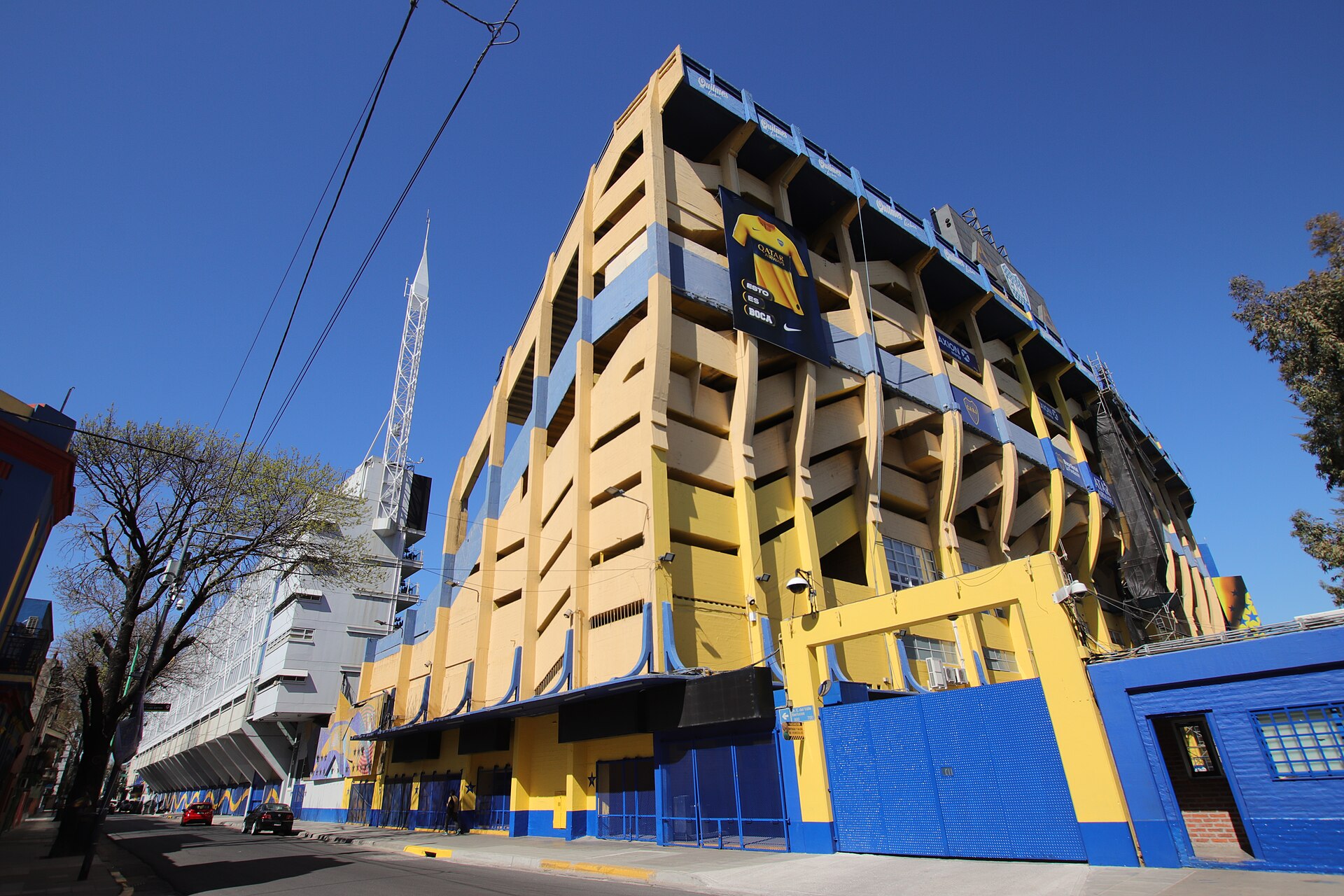
The venue added to the occasion. La Bombonera, the Estadio Alberto J. Armando, is one of world football’s most famous grounds, the steep, towering home of Boca Juniors in the La Boca neighbourhood of Buenos Aires. Argentina do not play there often, which made Friday’s friendly feel like an event in itself.
It is also worth remembering what Argentina were coming from. They arrived at this window as the runners-up of the 2026 World Cup, beaten 1-0 by Spain in the final in New Jersey in July. That campaign was the last act of the greatest era in Argentine football history. The players who remain now have to build the next one, and Friday showed them how much building there is to do.
Match timeline
| Minute | Event | Score |
|---|---|---|
| 48′ | Leonardo Balerdi own goal. De Arrascaeta’s free kick is headed by Lisandro Martinez into Balerdi and into the net. | Argentina 0-1 Uruguay |
| 53′ | Maximiliano Araujo scores from de Arrascaeta’s corner at the near post. | Argentina 0-2 Uruguay |
| 73′ | Julian Alvarez finishes from Gianluca Prestianni’s cross after a cross-field pass from Enzo Fernandez. | Argentina 1-2 Uruguay |
| 90’+ | Alvarez misses a late chance in stoppage time as Uruguay hold on. | Argentina 1-2 Uruguay |
| Full time | Uruguay win 2-1 at La Bombonera. Diego Forlan’s third win in charge. | Argentina 1-2 Uruguay |
What happens next
Both teams play again on Tuesday, 17 November, in the final games of this international window and the final matches of 2026 for Argentina. Scaloni’s side travel to Cordoba to face Costa Rica at the Estadio Mario Alberto Kempes, while Uruguay return home to host the Dominican Republic.
| Fixture | Date | Venue |
|---|---|---|
| Argentina vs Costa Rica | Tuesday, 17 November 2026 | Estadio Mario Alberto Kempes, Cordoba |
| Uruguay vs Dominican Republic | Tuesday, 17 November 2026 | Uruguay (home friendly) |
For Argentina, the Costa Rica game is suddenly more important than a friendly usually is. A second defeat in four days would turn a difficult start into a genuine concern, and the pressure on a team learning to live without its greatest player would grow quickly. A win, on the other hand, would steady the ship and give Scaloni something positive to build on before the long road to the 2030 World Cup begins. For Uruguay, the Dominican Republic game is a chance to finish the year on a high and keep the momentum of Forlan’s early reign going.
On Friday night, the story was simple: Uruguay won, Argentina lost, and the post-Messi era began with a defeat. On Tuesday, both teams get the chance to write the next line. For Argentina, the task is clear: defend set pieces better, take the chances that come, and show that this team can win without the man who used to win games for them. The 2-1 defeat to Uruguay was a reminder of how big that task is. The game in Cordoba is the first chance to show it can be done.
More international football on TimelyUps: Japan beat Brazil 3-2 in Singapore, and our previews of the Pakistan vs Bangladesh SAFF semi-final and the Pakistan vs Sri Lanka first Test.
Frequently asked questions
What was the score in Argentina vs Uruguay on 13 November 2026?
Uruguay beat Argentina 2-1 in an international friendly at La Bombonera in Buenos Aires on Friday, 13 November 2026. Leonardo Balerdi scored an own goal in the 48th minute, Maximiliano Araujo made it 2-0 in the 53rd minute, and Julian Alvarez pulled one back for Argentina in the 73rd minute.
Who scored the goals in Argentina 1-2 Uruguay?
Uruguay’s goals came from a Leonardo Balerdi own goal in the 48th minute, after a Giorgian de Arrascaeta free kick, and a Maximiliano Araujo goal in the 53rd minute from a de Arrascaeta corner. Argentina’s goal was scored by Julian Alvarez in the 73rd minute, assisted by Gianluca Prestianni.
Was this Argentina’s first match without Lionel Messi?
Yes. The friendly against Uruguay was Argentina’s first match since Lionel Messi retired from international football in early October 2026. Messi announced his retirement on 31 August 2026 and played his final game, a 3-0 friendly win over Benin, on 6 October 2026.
When did Messi play his last game for Argentina?
Lionel Messi played his 208th and final match for Argentina on 6 October 2026, a 3-0 friendly win over Benin at the Estadio Monumental in Buenos Aires. He scored from the penalty spot in the 71st minute and provided two assists, finishing his international career with a record 126 goals.
Who is Uruguay’s coach and how many wins does he have?
Uruguay are coached by Diego Forlan, the former striker. The 2-1 win over Argentina at La Bombonera was his third victory in charge of the national team.
When do Argentina and Uruguay play next?
Both teams play again on Tuesday, 17 November 2026. Argentina face Costa Rica at the Estadio Mario Alberto Kempes in Cordoba, while Uruguay host the Dominican Republic in a home friendly.