NCCIA Lahore Zone Arrests 10 Suspects in Four Cybercrime Operations
NCCIA Lahore Zone Arrests 10 Suspects in Four Cybercrime Operations By Fatima Raza Published: October 20, 2026 | 8 min read Technology Pakistan’s National Cyber Crime Investigation Agency (NCCIA) has arrested 10 suspects in four separate operations in Lahore, targeting alleged online child exploitation and blackmail, counterfeit Canadian identity documents, payment card fraud and an…
NCCIA Lahore Zone Arrests 10 Suspects in Four Cybercrime Operations
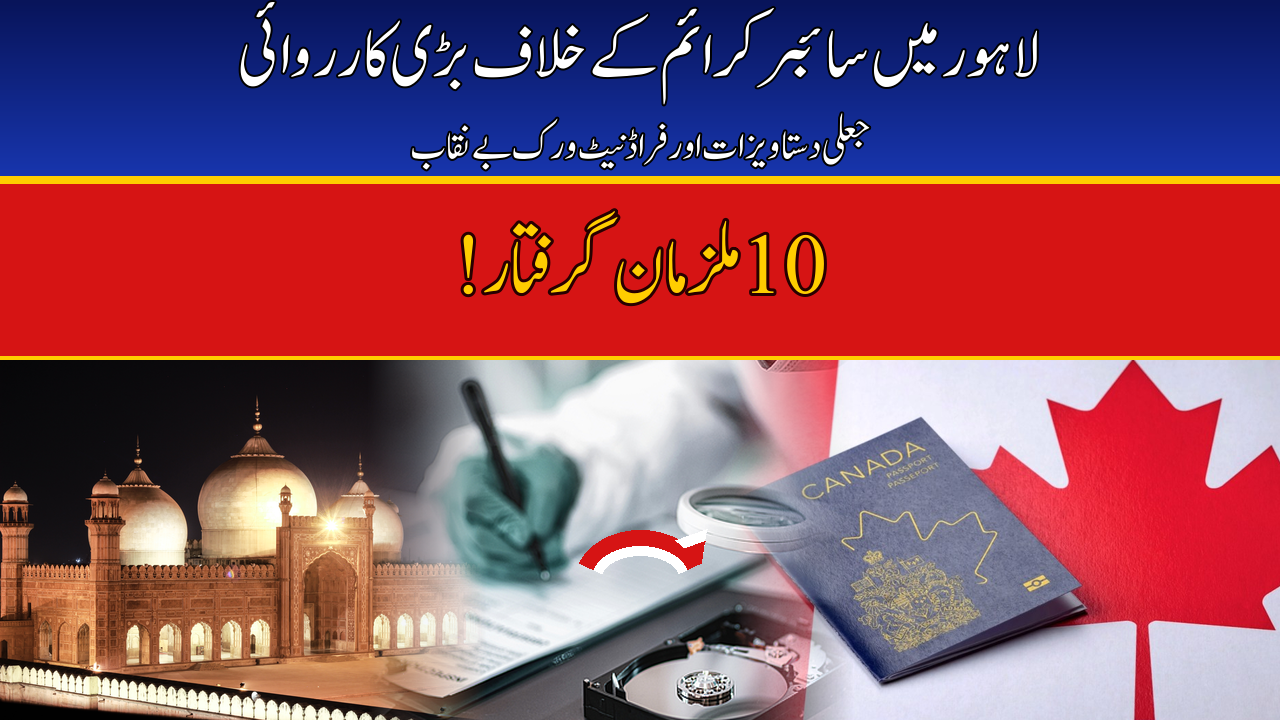
Pakistan’s National Cyber Crime Investigation Agency (NCCIA) has arrested 10 suspects in four separate operations in Lahore, targeting alleged online child exploitation and blackmail, counterfeit Canadian identity documents, payment card fraud and an illegal online betting network. NCCIA Lahore Zone Additional Director Atif Amir announced the arrests at a press conference on Monday, October 19, 2026.
Quick Facts
- 10 suspects arrested in 4 separate operations, all in Lahore
- Announced by: NCCIA Lahore Zone Additional Director Atif Amir, at a press conference on Monday, October 19, 2026
- Targets: online child exploitation and blackmail; counterfeit Canadian ID documents; payment card fraud; illegal online betting
- Seized: laptops, mobile phones, five point-of-sale machines, a computer and printed copies of allegedly fake Canadian passports
- FIRs registered: No. 243/2026 (payment card fraud) and No. 250/2026 (online betting) under PECA 2016 and the Pakistan Penal Code
- At large: two more suspects, identified as Najaf and Zaeem, are being hunted
Operation 1: Suspect held over alleged online child exploitation
In the first operation, the agency arrested a suspect accused of sexually exploiting and blackmailing underage children living abroad. According to preliminary findings, the suspect allegedly used fake social media identities to contact minors, gain their trust and pressure them into producing inappropriate material — then threatened to publish it online.
Atif Amir said the suspect was traced through technical analysis using an AI-based monitoring system, with a search warrant obtained from the relevant court. A laptop and a mobile phone were seized for forensic examination.
Beyond this one arrest, it is a reminder for families: fake profiles approaching children online are among the most common tactics reported to cybercrime agencies.
Operation 2: Three law students held over fake Canadian documents
In the second operation, the NCCIA arrested three law students accused of producing counterfeit Canadian identity documents and passport photographs with the assistance of artificial intelligence. Investigators recovered four mobile phones, four laptops and printed copies of allegedly fake Canadian passports.
Preliminary investigations suggested the documents were intended to open bank accounts in Canada and facilitate online financial fraud, the NCCIA said. The seized material is being examined to determine the scope of the alleged operation and to identify other suspected accomplices.
It shows how easily AI tools can now fabricate documents that pass casual inspection — verify any official document through official channels.
Operation 3: Two arrested in LDA City payment card fraud case
In another operation, the NCCIA arrested two suspects — identified as Wajid Ali Jafri and Aman Ali — from Lahore’s LDA City area in connection with an alleged payment card fraud case. The agency recovered five point-of-sale machines and four mobile phones from their possession.
A case has been registered under FIR No. 243/2026, while efforts are under way to arrest another suspect, identified as Najaf, who allegedly supplied the POS machines. Investigators are examining how the equipment was used and whether others were involved.
If your card statement shows a charge you don’t recognise, report it quickly — the Banking Mohtasib recently ordered Rs1.2 billion in refunds to banking customers after fraud complaints.
Operation 4: Four held in Bahria Town online betting raid
In the fourth operation, NCCIA officials raided a location in Lahore’s Bahria Town area and arrested four suspects over their alleged involvement in an illegal online betting network. The agency seized a computer, a laptop and six mobile phones for forensic examination.
Preliminary findings say the suspects allegedly used online betting games and promotional offers to defraud US citizens. The alleged network owner, identified as Zaeem, remains at large.
A separate case was registered under FIR No. 250/2026 under relevant provisions of the Prevention of Electronic Crimes Act, 2016, and the Pakistan Penal Code. Investigators are examining the seized devices to trace financial transactions and establish links among the suspects.
What this means — and how to report cybercrime
Atif Amir said protecting children from online exploitation, combating cybercrime and preventing financial fraud remained key priorities, and that action against suspected cybercriminals would continue in accordance with the law.
The practical takeaway: cybercrime is no longer an abstract threat. Fake profiles, forged documents, compromised card terminals and rigged betting sites all operate through channels ordinary people use every day. If you are affected, the NCCIA can be reached through its helpline 1799 and its online complaint portal, where you can register a complaint with screenshots and evidence. For children being harassed online, preserve the messages, avoid further contact, and report quickly.